
Introduction
Air purifiers for home can help improve indoor air quality by filtering airborne particles and other common pollutants. They can be useful in bedrooms, living rooms, offices, nurseries, and other enclosed spaces where dust, pollen, pet dander, smoke, and odors may accumulate. With different sizes and filtration technologies available, homeowners can choose a purifier based on room size, air quality concerns, and personal preferences.
The best home air purifiers commonly use HEPA filters to capture fine airborne particles, while some models also include activated carbon filters to help reduce odors and certain gases. Additional features may include air-quality sensors, automatic modes, multiple fan speeds, filter replacement indicators, timers, and smartphone connectivity.
When choosing an air purifier, consider the recommended room coverage, filtration system, noise level, energy consumption, replacement filter costs, and maintenance requirements. In this guide, we’ll explore some of the best air purifiers for home and their key features to help you find a suitable option for your living space.
How We Choose Products
- We evaluate products using relevant specifications, features, design, materials, functionality, ease of use, intended use and overall value.
- Our recommendations are based on information available from manufacturers, retailers and other publicly available sources, along with our own editorial analysis.
- We aim to present product information accurately and distinguish manufacturer or retailer claims from our independent assessment.
- We do not claim to have personally tested a product unless we have hands-on experience with it. When we have not personally tested a product, our evaluation is based on available product information and careful editorial research.
Top Air Purifiers for Home




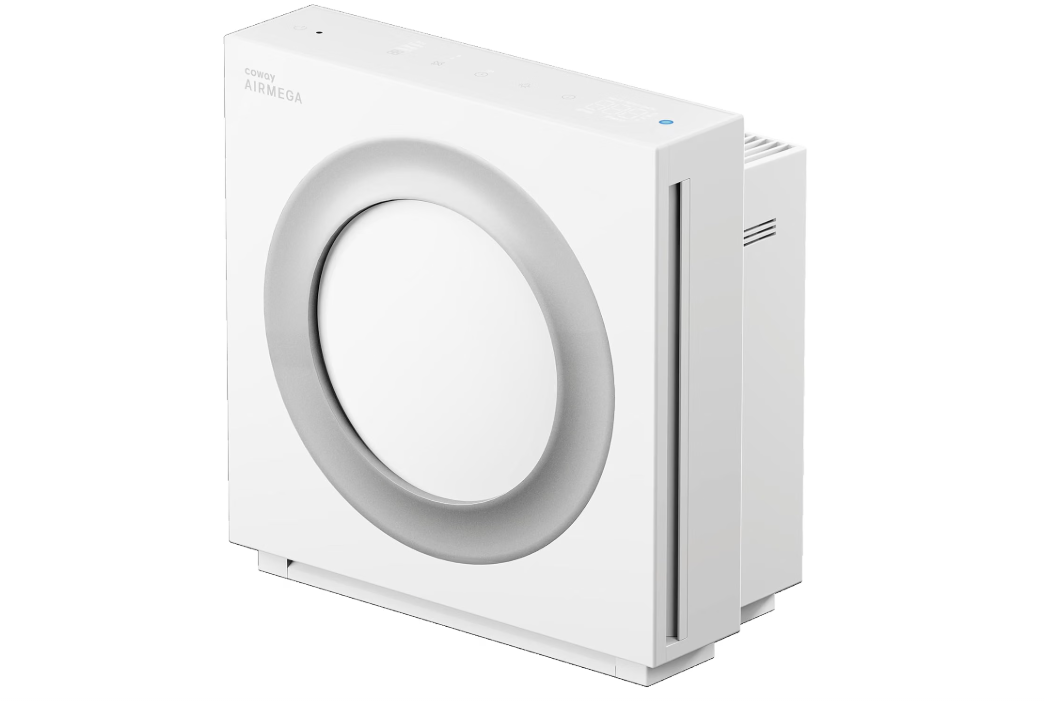
The Coway Airmega Mighty2 AP-1512N Air Purifier is designed to provide efficient everyday air cleaning for bedrooms, living rooms, and other home spaces. Its multi-stage filtration system combines a washable pre-filter with HEPA and activated carbon filtration to capture fine airborne particles while helping reduce odors. The MegaScan laser sensor monitors air quality in real time, while Smart Mode can automatically adjust airflow based on detected conditions. Multiple operating modes, including Sleep, Eco, and Turbo, provide flexibility for different situations. Its relatively quiet operation and compact design make it practical for daily use.
We recommend this air purifier for homeowners seeking effective filtration, automatic air-quality monitoring, and convenient operating modes.
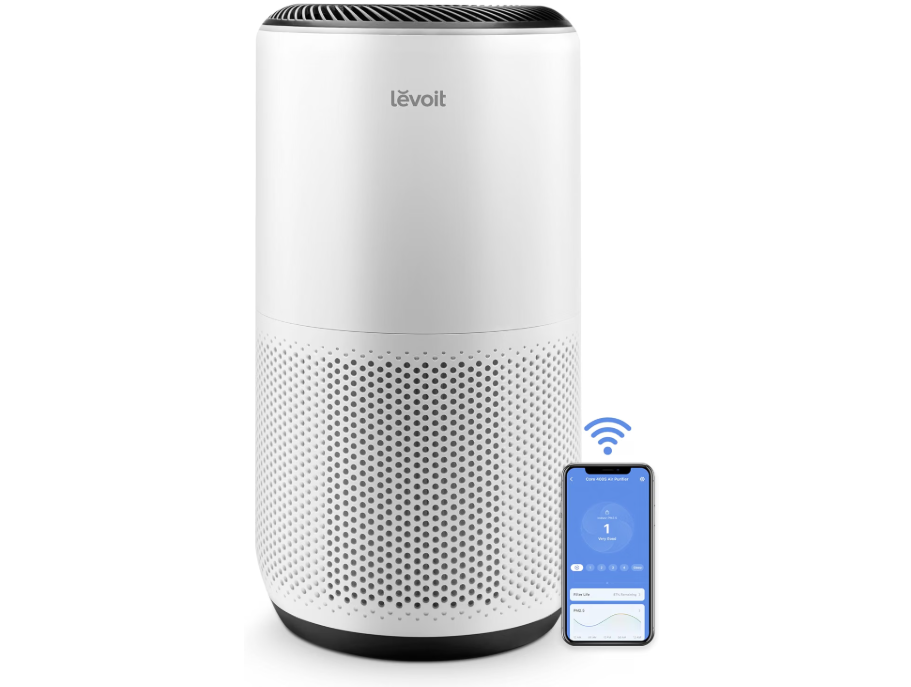
The Levoit Core 400S Smart Air Purifier is a versatile option for improving air quality in bedrooms, living rooms, and other larger spaces. Its three-stage filtration system combines a pre-filter, main filter, and activated carbon filter to help capture airborne particles and reduce odors. The AirSight Plus laser dust sensor provides real-time PM2.5 monitoring, while Auto Mode can automatically adjust purification based on detected air conditions. Multiple operating modes, including Sleep, Eco, and Turbo, offer flexibility for different needs. Smart controls through the VeSync app and compatibility with Alexa and Google Assistant add convenience.
We recommend this air purifier for users seeking smart controls, real-time monitoring, and flexible everyday air purification.

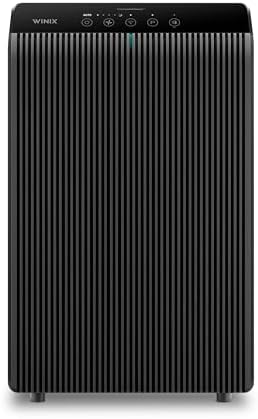
The WINIX 5510 Air Purifier is designed for larger rooms and combines multiple filtration technologies to help improve indoor air quality. Its four-stage system includes a washable fine mesh pre-filter, True HEPA filter, and high-deodorization carbon filter, while PlasmaWave technology provides an additional air-cleaning function. An air-quality sensor can automatically adjust operation in Auto Mode, while Sleep and Manual modes provide additional control. Wi-Fi connectivity and app support allow convenient remote management, with Alexa and Google Assistant compatibility adding voice-control options.
We recommend this air purifier for homeowners looking for large-room coverage, multi-stage filtration, smart controls, and features designed to address dust, pollen, pet dander, smoke, and household odors.
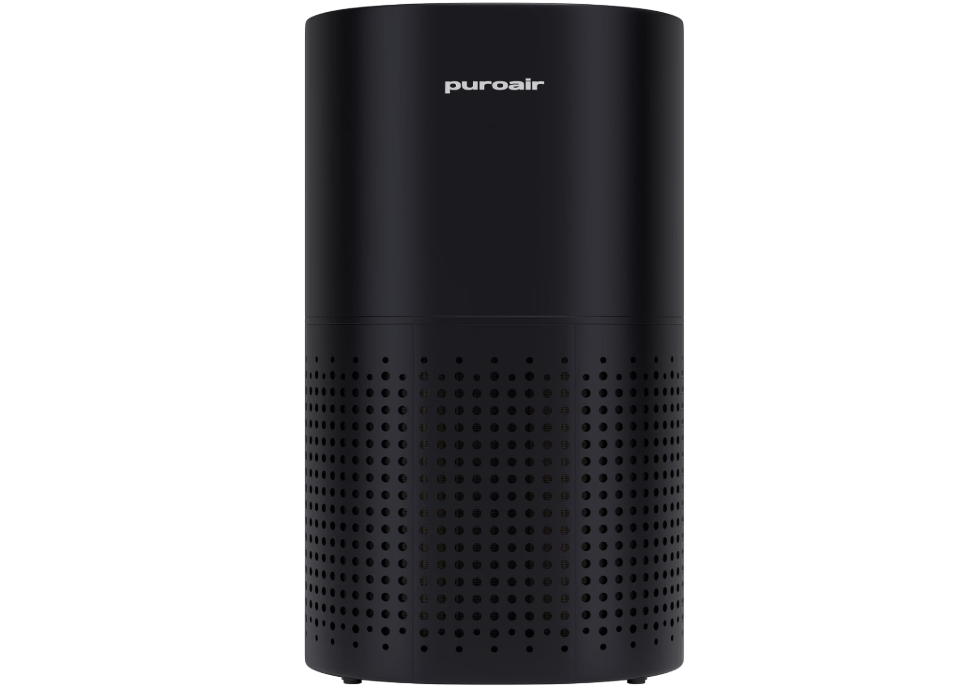
The PuroAir 240 Air Purifier is a compact option for improving air quality in bedrooms, offices, and other home spaces. Its three-layer filtration system combines a pre-screen filter, HEPA filter, and activated carbon filter to help capture airborne particles and reduce household odors. An integrated air-quality sensor monitors conditions and allows Auto Mode to adjust operation automatically. The filter replacement indicator provides a convenient reminder for maintenance, while its relatively quiet operation makes it suitable for bedrooms and other quiet areas. Its compact footprint also makes placement easier in smaller rooms.
We recommend this air purifier for users seeking a compact, quiet, and easy-to-use solution for everyday indoor air filtration.
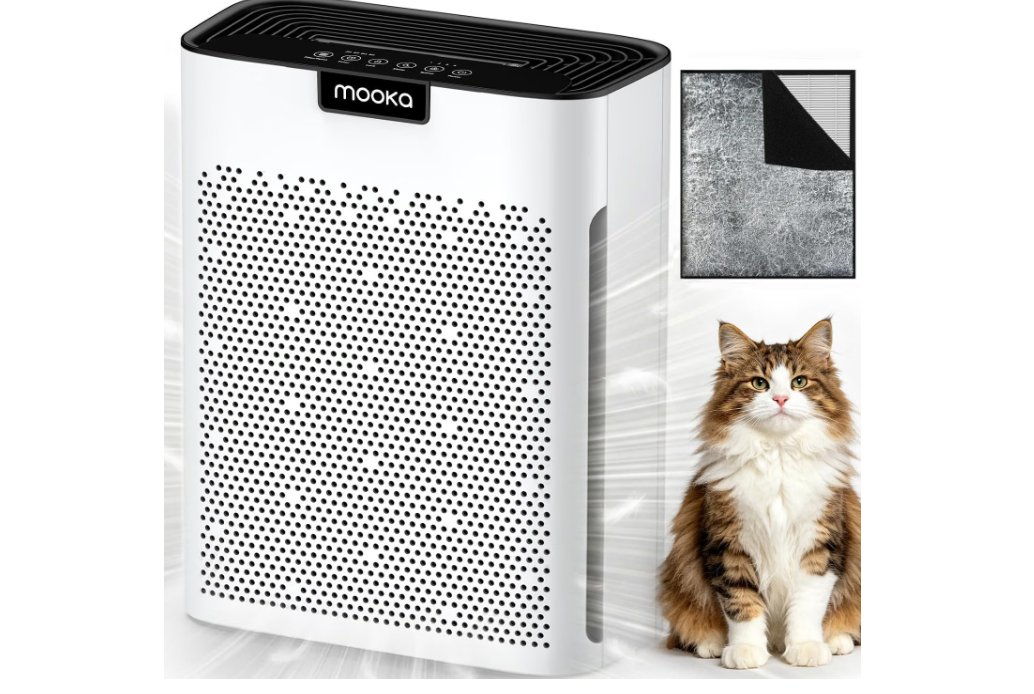
The MOOKA KJ190L Air Purifier is designed for larger rooms and combines practical filtration with convenient everyday features. Its three-stage system uses a washable pre-filter, H13 HEPA filter, and activated carbon filter to help capture dust, pollen, pet dander, smoke, and household odors. Four fan speeds and Sleep Mode provide flexibility, while the timer allows users to schedule operation for different periods. The child lock adds convenience for homes with children, and the aroma function lets users add fragrance using the included sponge. Its low-noise operation is suitable for bedrooms and quiet spaces.
We recommend this air purifier for users seeking broad room coverage, washable filtration, and useful home-friendly features.

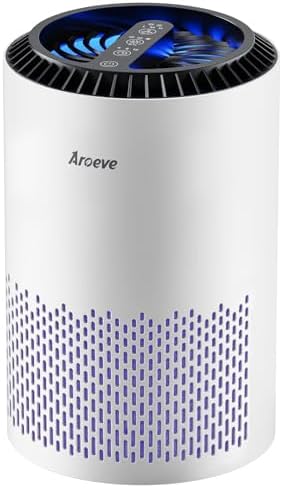
The AROEVE MK01 Air Purifier is a compact and lightweight option for improving air quality in bedrooms, offices, dorm rooms, and other smaller spaces. Its high-efficiency filter helps capture common airborne pollutants such as dust, pollen, smoke, pet dander, and hair. The dual-channel 360-degree air inlet supports consistent air circulation, while two fan speeds provide basic airflow adjustment. Sleep Mode operates quietly, making it suitable for nighttime use. An aroma pad allows users to add essential oils for a pleasant scent, and the 6- and 12-hour timer provides additional convenience.
We recommend this air purifier for users seeking an affordable, compact, and simple solution for smaller rooms.
Air Purifiers for Home Buying Guide
Choosing the right air purifier can help you manage common indoor pollutants such as dust, pollen, smoke, pet dander, and odors. However, air purifiers vary considerably in filtration technology, room coverage, noise levels, and operating costs. Consider the following factors before choosing a model for your home.
1. Room Size and Coverage
Check the manufacturer’s recommended room coverage before buying. Choose a purifier designed for the size of your bedroom, living room, office, or other intended space. Using an undersized unit may provide less effective air circulation.
2. Filtration System
Air purifiers may use one or multiple filtration stages. Common systems include pre-filters, HEPA filters, activated carbon filters, and other technologies. Consider the pollutants you want the purifier to address when comparing filtration systems.
3. HEPA Filter
A true HEPA filter is designed to capture very small airborne particles. It can be particularly useful for reducing airborne dust, pollen, and other particulate matter. Check the manufacturer’s specifications for the exact filtration performance.
4. Activated Carbon Filter
Activated carbon filters are commonly used to help reduce odors and certain gaseous pollutants. They can be particularly useful in homes with pets, cooking odors, or exposure to smoke.
5. Pre-Filter
A pre-filter captures larger particles such as dust, hair, and lint before air reaches the main filter. A washable pre-filter can help reduce maintenance costs and protect the primary filtration layers.
6. CADR Rating
Clean Air Delivery Rate (CADR) indicates how quickly an air purifier can deliver filtered air for specific particle categories. Comparing CADR ratings can help when selecting a purifier for a particular room size.
7. Air Changes per Hour
Air Changes per Hour (ACH) indicates how many times an air purifier can theoretically filter the air in a room during an hour. Higher ACH can be useful for rooms where faster air cleaning is desired.
8. Air Quality Sensor
Some models include sensors that monitor particulate levels or other aspects of indoor air quality. These sensors can allow the purifier to provide real-time readings or automatically adjust its operation.
9. Automatic Mode
Auto Mode can adjust fan speed based on readings from the air-quality sensor. This can provide convenient hands-free operation while helping the purifier respond to changing indoor conditions.
10. Noise Level
Noise is especially important when an air purifier will be used in a bedroom, nursery, or office. Check the manufacturer’s noise ratings and consider models with dedicated Sleep Modes for quieter nighttime operation.
11. Fan Speeds and Operating Modes
Multiple fan speeds allow you to adjust airflow based on your needs. Common modes include Auto, Sleep, Eco, and Turbo, although available options vary by model.
12. Energy Consumption
Since air purifiers may operate for many hours each day, energy consumption is worth considering. Look for energy-efficient models and useful features such as automatic shut-off or Eco Mode.
13. Filter Life
Filter lifespan varies according to the purifier, usage, and indoor air conditions. Check how frequently filters need to be replaced and whether the manufacturer provides a filter-life indicator.
14. Replacement Filter Cost
The initial purchase price is only part of the overall cost. Replacement filters can represent a significant ongoing expense, so check their availability and price before purchasing.
15. Smart Connectivity
Some air purifiers offer Wi-Fi connectivity and smartphone apps for remote control and monitoring. Smart features can be useful if you want to adjust settings or check air-quality information from your phone.
16. Voice Assistant Compatibility
Certain smart models work with voice assistants such as Amazon Alexa or Google Assistant. This can allow users to control basic functions without physically operating the purifier.
17. Portability and Size
Consider the purifier’s dimensions and weight if you plan to move it between rooms. Compact models are easier to reposition, while larger units may provide greater airflow and room coverage.
18. Maintenance Requirements
Check how often the pre-filter needs cleaning and how frequently the main filter should be replaced. Easy-to-access filters and clear maintenance indicators can make long-term ownership more convenient.
19. Safety and Certifications
Look for relevant safety and efficiency certifications from recognized organizations. Certifications can provide additional information about electrical safety, energy efficiency, and compliance with applicable standards.
20. Price and Overall Value
Compare the purchase price, filtration system, room coverage, energy consumption, replacement-filter costs, noise level, and additional features. A more expensive purifier may offer useful features, but the best value depends on your specific requirements.
Bottom Line
The right home air purifier should match the size of your room and the pollutants you want to address. Pay particular attention to filtration technology, HEPA and carbon filters, CADR, ACH, noise level, energy consumption, and replacement-filter costs. Features such as air-quality sensors, Auto Mode, Sleep Mode, smart controls, and filter indicators can provide additional convenience. By comparing both the initial price and ongoing maintenance costs, you can choose an air purifier that provides suitable coverage and practical long-term value for your home.
Frequently Asked Questions
An air purifier circulates indoor air through one or more filters designed to capture airborne particles and, depending on the model, help reduce odors and certain gaseous pollutants.
Air purifiers can be useful for reducing airborne particles such as dust, pollen, smoke, and pet dander. Their usefulness depends on the purifier’s filtration system, room size, and how it is used.
A true HEPA filter is commonly used for capturing fine airborne particles, while activated carbon can help reduce odors and certain gases. A combination of filters can provide broader filtration.
HEPA stands for High Efficiency Particulate Air. HEPA filters are designed to capture very small airborne particles when air passes through the filter.
Air purifiers with effective particle filtration can capture airborne pet dander and other particles associated with pets. A pre-filter can also help collect larger pet hair and debris.
Conclusion
Air purifiers can be a useful addition to homes where managing airborne dust, pollen, pet dander, smoke, and odors is a priority. With options ranging from compact bedroom models to powerful units designed for large living spaces, choosing the right purifier depends on your room size and specific air-quality needs.
When selecting an air purifier, consider its filtration system, HEPA and activated carbon filters, CADR, room coverage, noise level, energy consumption, and filter replacement requirements. Features such as air-quality sensors, Auto Mode, Sleep Mode, smart controls, and filter indicators can provide additional convenience.
Ultimately, the best air purifier should provide suitable coverage while fitting your budget, maintenance preferences, and daily routine. By comparing performance, operating costs, filtration capabilities, and useful features, you can choose a reliable air purifier for cleaner and more comfortable indoor air.