
Introduction
Raised garden beds are practical gardening solutions that allow you to grow flowers, herbs, vegetables, and other plants in a defined and elevated growing area. They can make gardening easier by providing better control over soil, drainage, and plant spacing while reducing the need to bend down as much as traditional ground-level gardening. They are especially useful for small yards, patios, balconies, and gardeners who want a more organized planting space.
Modern raised garden beds are available in different styles, including wooden garden beds, metal raised beds, galvanized steel beds, plastic planters, tiered beds, and elevated planter boxes. When choosing one, consider size, material, height, drainage, durability, assembly, and available growing space. Deeper beds can support plants with larger root systems, while elevated designs can provide easier access and better convenience for some gardeners.
In this guide, we’ll explore some of the best raised garden beds for different gardening needs and spaces. Whether you’re growing vegetables, herbs, flowers, or seasonal plants, the right raised bed can help create a productive and organized garden.
How We Choose Products
- We evaluate products using relevant specifications, features, design, materials, functionality, ease of use, intended use and overall value.
- Our recommendations are based on information available from manufacturers, retailers and other publicly available sources, along with our own editorial analysis.
- We aim to present product information accurately and distinguish manufacturer or retailer claims from our independent assessment.
- We do not claim to have personally tested a product unless we have hands-on experience with it. When we have not personally tested a product, our evaluation is based on available product information and careful editorial research.
Top Raised Garden Beds
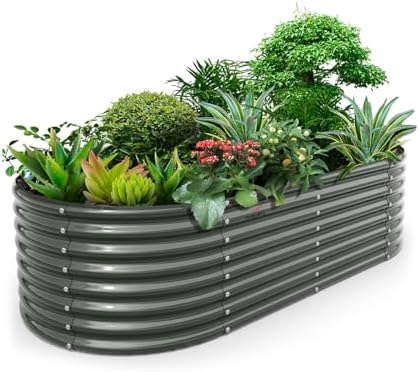


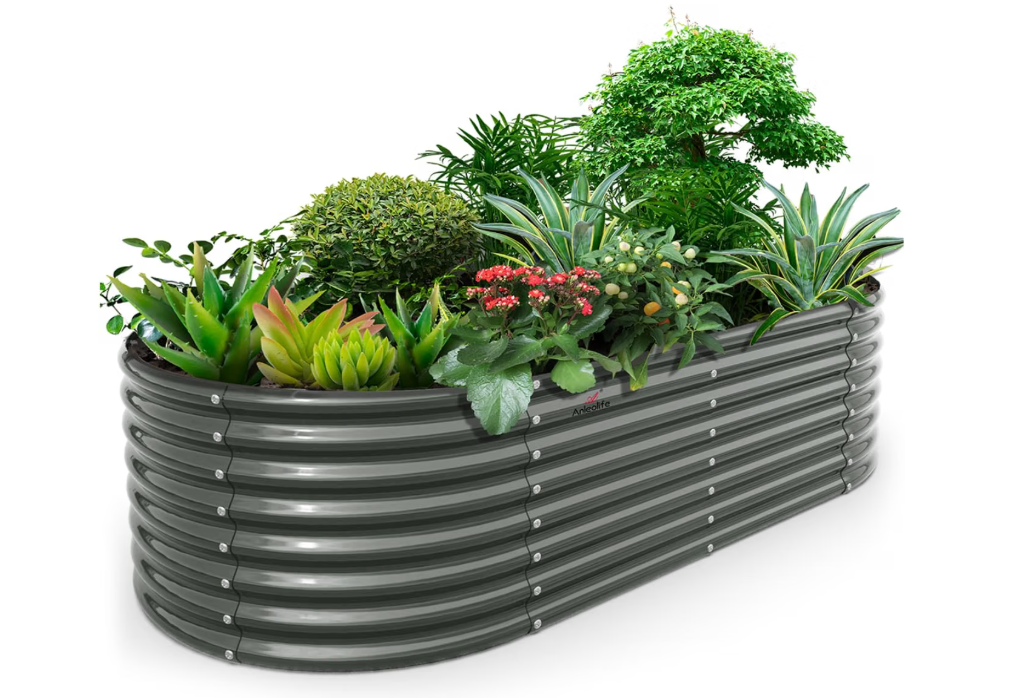
The ANLEOLIFE galvanized raised garden bed is a durable and practical option for growing vegetables, herbs, flowers, and other outdoor plants. Its 18-inch height provides a deep growing area while making planting and maintenance more convenient than working directly at ground level. The open-bottom design allows roots to extend naturally into the soil and helps support drainage. Its galvanized steel construction is designed to resist rust and outdoor weather conditions, while the reinforced panels and rolled edges provide added stability and safety.
We recommend this raised garden bed for home gardeners who want a spacious, durable, and low-maintenance planting area that can withstand regular outdoor use.
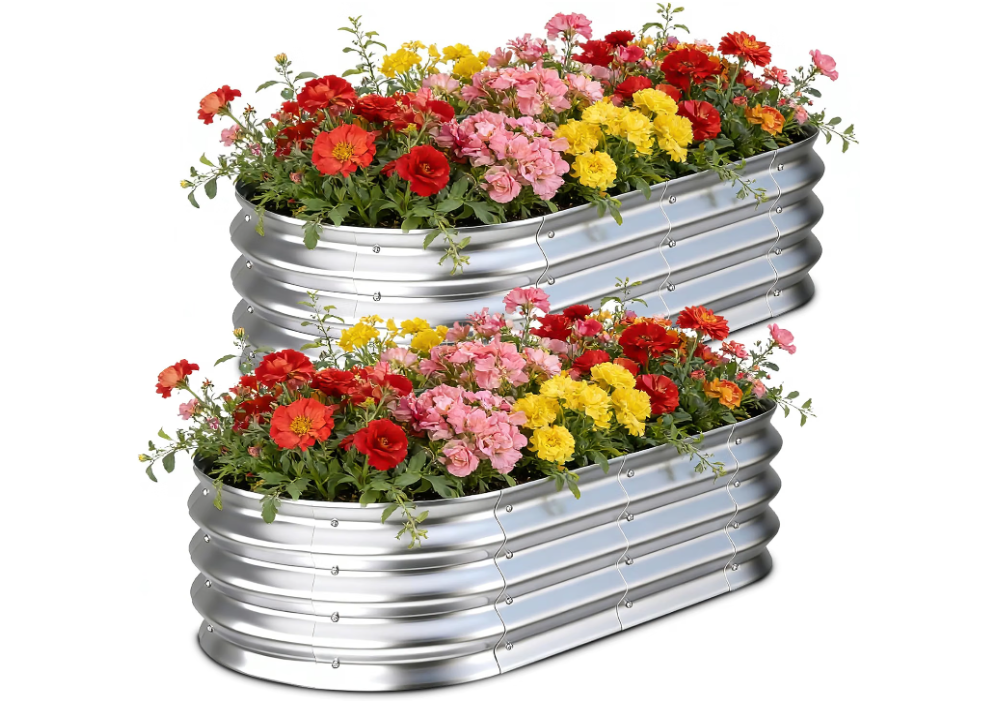
The Tegarbed 2-pack galvanized raised garden beds are a practical option for growing vegetables, herbs, flowers, and other plants in an organized outdoor space. Each 4 × 2 × 1-foot bed provides useful growing room, while the bottomless design allows roots to extend naturally into the ground and promotes drainage. The galvanized metal construction is designed to resist rust and weather, making the beds suitable for regular outdoor use. Smooth edges also provide added safety during planting and maintenance.
We recommend this set for home gardeners who want two durable, space-efficient raised beds for creating organized planting areas without investing in traditional wooden garden beds.
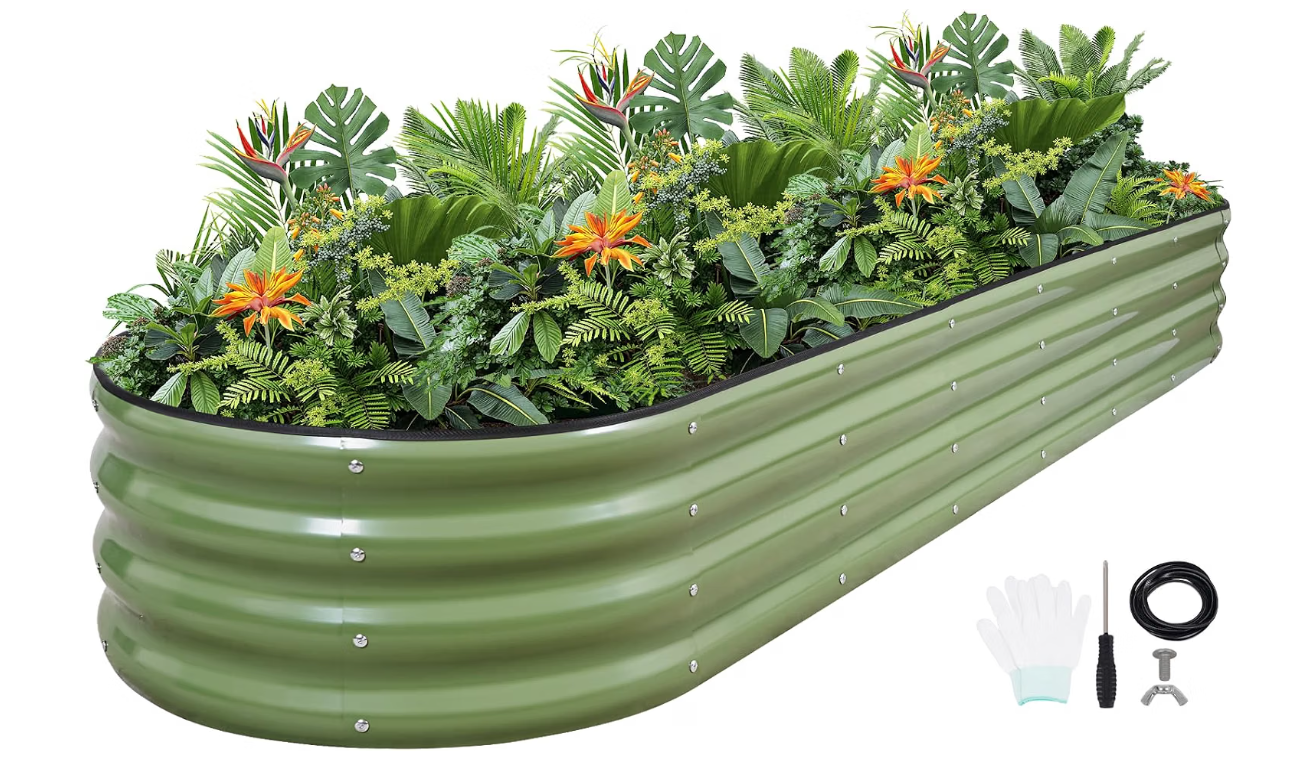
The G GOOD GAIN 8 × 2 × 1-foot raised garden bed is a spacious option for growing vegetables, fruits, herbs, and flowers in an organized outdoor area. Its galvanized steel construction is designed to resist rust and withstand regular outdoor use, while the bottomless oval design supports natural drainage and allows roots to grow deeper into the ground. The reinforced structure adds stability, and protective edging helps make the bed safer to handle. The included gardening accessories provide extra convenience for setup and planting.
We recommend this raised garden bed for home gardeners who need a larger growing area and want a durable, low-maintenance alternative to traditional wooden beds.
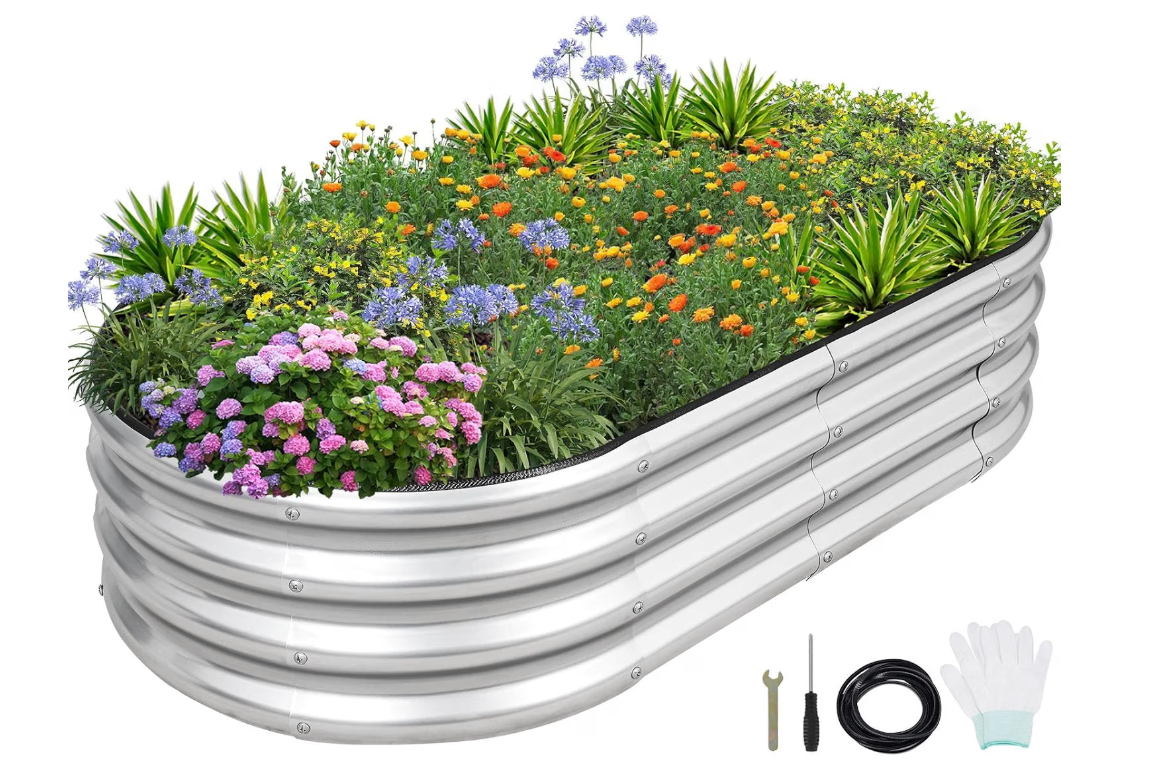
The 1MORE 4 × 2 × 1-foot raised garden bed is a practical choice for growing vegetables, herbs, flowers, and other outdoor plants. Its galvanized metal construction features a corrosion-resistant coating designed to handle regular outdoor use, while the bottomless design allows natural drainage and deeper root growth. The oval shape provides a neat planting area without taking up excessive space. Folded edges and protective rubber strips help improve safety during assembly and gardening. Its reusable design also makes it a useful long-term addition to a home garden.
We recommend this raised bed for gardeners who want a compact, durable, and low-maintenance alternative to traditional wooden garden beds.
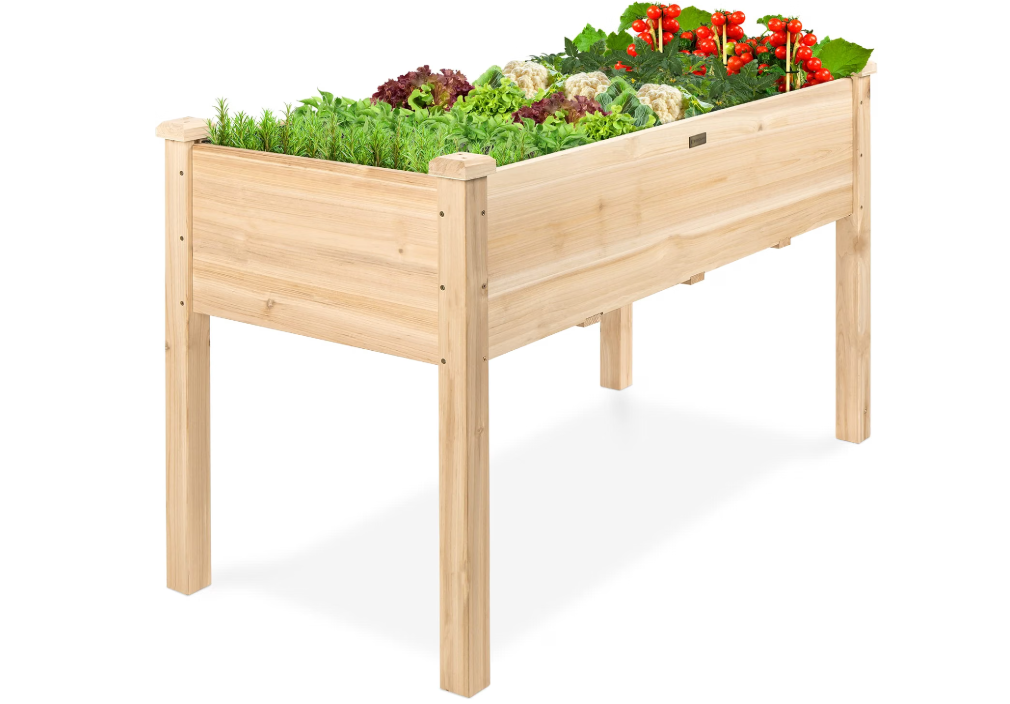
The Best Choice Products elevated raised garden bed is a practical option for growing vegetables, herbs, flowers, and other plants in a more accessible setup. Its 30-inch elevated height makes planting and maintenance easier while reducing the need to bend down as much as with traditional ground-level beds. The Chinese fir wood construction gives it a natural garden appearance, while drainage holes help manage excess water. Its compact 48 × 24-inch footprint works well for patios, balconies, decks, and small backyards.
We recommend this raised garden bed for home gardeners who want an attractive, space-saving planter that provides convenient access to plants without taking up too much outdoor space.
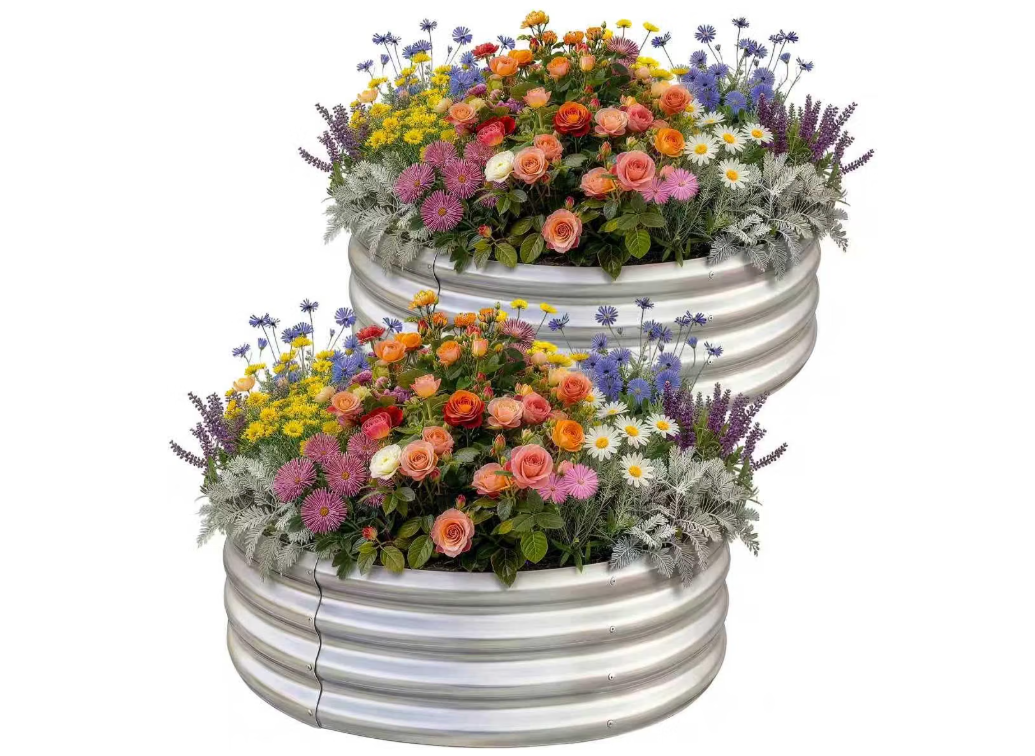
The Land Guard 2-pack raised garden beds are a practical option for growing vegetables, herbs, flowers, and fruits in an organized outdoor space. Each bed has a compact 2 × 2 × 1-foot design, making it suitable for smaller yards, patios, and garden areas. The galvanized steel construction is designed to resist rust and corrosion, while the open-bottom design supports natural drainage and healthy root growth. Its round shape provides a neat planting area and can complement different garden layouts.
We recommend this set for home gardeners who want two compact, durable, and low-maintenance raised beds for creating organized planting spaces without taking up too much room.
Raised Garden Beds Buying Guide
Raised garden beds are an excellent way to create organized growing spaces for vegetables, herbs, flowers, and other plants. They can provide better control over soil and planting areas while making garden maintenance more convenient. Before buying, consider your available space, the plants you want to grow, and the type of bed that best matches your gardening needs.
1. Size and Shape
Choose a raised bed that fits comfortably in your garden, patio, or backyard. Consider length, width, and height, as well as the shape. Rectangular and oval beds are common, while smaller square models work well in limited spaces.
2. Material
Raised beds are commonly made from galvanized steel, wood, plastic, or composite materials. Galvanized steel is durable and resistant to corrosion, while wooden beds offer a natural appearance. Choose a material that suits your climate, budget, and preferred garden style.
3. Height and Depth
The ideal height depends on your plants and gardening preferences. Deeper beds are useful for plants with larger root systems, while elevated beds can make planting and maintenance easier by reducing bending.
4. Open or Closed Bottom
Bottomless beds allow roots to extend into the existing ground and can provide natural drainage. Beds with enclosed bottoms offer more control over soil and may be better for patios, decks, or areas where planting directly into the ground is not practical.
5. Drainage
Good drainage is important for healthy plants. Look for drainage holes, open-bottom designs, or other drainage features to help prevent excess water from accumulating around plant roots.
6. Planting Capacity
Consider how many plants you want to grow. Larger beds provide more room for vegetables and multiple plants, while compact beds are better for herbs, flowers, or smaller gardens.
7. Assembly
Many raised garden beds require assembly. Check whether the package includes hardware, connectors, protective edging, and instructions. Simple modular designs are generally easier to put together.
8. Durability and Weather Resistance
Outdoor garden beds are exposed to rain, sunlight, soil, and moisture. Look for rust-resistant metal, weather-resistant wood, or durable outdoor-grade materials to help extend the life of the bed.
9. Safety Features
Metal beds may have sharp edges if they are not properly finished. Look for rolled edges, protective strips, or covered corners for safer use, especially in gardens where children or pets may be present.
10. Location
Think about where you’ll place the bed before purchasing. Make sure the location provides enough sunlight, drainage, and room for access around the bed for planting, watering, and harvesting.
11. Portability
Some smaller beds can be moved relatively easily, while larger beds become difficult to relocate after they are filled with soil. Choose a portable design when flexibility is important.
12. Soil Requirements
A raised bed will need enough soil to provide suitable growing conditions. Before buying, consider the bed’s depth and calculate how much soil or growing medium you will need to fill it.
13. Plant Compatibility
Different plants have different root requirements. Shallow beds work well for herbs and many leafy vegetables, while deeper beds are more suitable for plants with larger root systems.
Bottom Line
The best raised garden bed should provide the right balance of size, depth, material, drainage, durability, and growing capacity for your garden. Galvanized steel beds are a strong choice for long-term outdoor use, while wooden and elevated beds can offer a more traditional or accessible gardening experience. Choose a bed that fits your available space and provides enough depth for the plants you plan to grow.
Frequently Asked Questions
Yes. Raised garden beds can make gardening more organized and provide better control over soil, drainage, plant spacing, and growing conditions. They are useful for both beginners and experienced gardeners.
You can grow vegetables, herbs, flowers, fruits, leafy greens, and many other plants. Choose a bed with enough depth for the root systems of your preferred plants.
The ideal depth depends on the plants you want to grow. Shallower beds can work for herbs and some vegetables, while deeper beds are better for plants with larger root systems.
Galvanized steel beds are commonly used for outdoor gardening. Choose a product specifically designed for garden use and follow the manufacturer’s recommendations for your intended plants.
Popular materials include galvanized steel, wood, plastic, and composite materials. Galvanized steel offers durability, while wood provides a natural appearance and traditional garden style.
Conclusion
Raised garden beds are a practical way to create organized and manageable growing spaces for vegetables, herbs, flowers, and other plants. The models reviewed above offer different combinations of materials, sizes, heights, drainage designs, durability, and planting capacity to suit a variety of gardens and budgets.
When choosing a raised garden bed, consider size, depth, material, drainage, weather resistance, safety features, and the types of plants you want to grow. Galvanized steel beds are a durable option for outdoor use, while wooden and elevated designs can offer a more traditional or accessible gardening experience.
Overall, the best raised garden bed should fit your available space and provide suitable growing conditions for your plants. Choose a sturdy, well-designed bed with enough depth and capacity to support your garden while making planting and maintenance easier.