
Introduction
Toy organizers are a practical way to keep children’s play areas neat, organized, and easier to manage. They provide dedicated storage for toys, books, games, stuffed animals, art supplies, and other children’s essentials while helping reduce clutter around bedrooms, playrooms, and living areas. They are especially useful for families who want to encourage children to put their belongings away after playtime.
The best toy organizers come in different styles, including storage bins, cube shelves, toy chests, baskets, cabinets, and multi-compartment organizers. Materials such as wood, plastic, fabric, and metal offer different combinations of durability, appearance, and ease of maintenance. Some models also feature removable bins, labeled compartments, wheels, or child-friendly designs for added convenience.
When choosing a toy organizer, consider its size, storage capacity, material, number of compartments, safety features, ease of cleaning, accessibility, and available floor space. In this guide, we’ll explore some of the best toy organizers and their key features to help you create a cleaner and more organized space for children.
How We Choose Products
- We evaluate products using relevant specifications, features, design, materials, functionality, ease of use, intended use and overall value.
- Our recommendations are based on information available from manufacturers, retailers and other publicly available sources, along with our own editorial analysis.
- We aim to present product information accurately and distinguish manufacturer or retailer claims from our independent assessment.
- We do not claim to have personally tested a product unless we have hands-on experience with it. When we have not personally tested a product, our evaluation is based on available product information and careful editorial research.
Top Toy Organizers




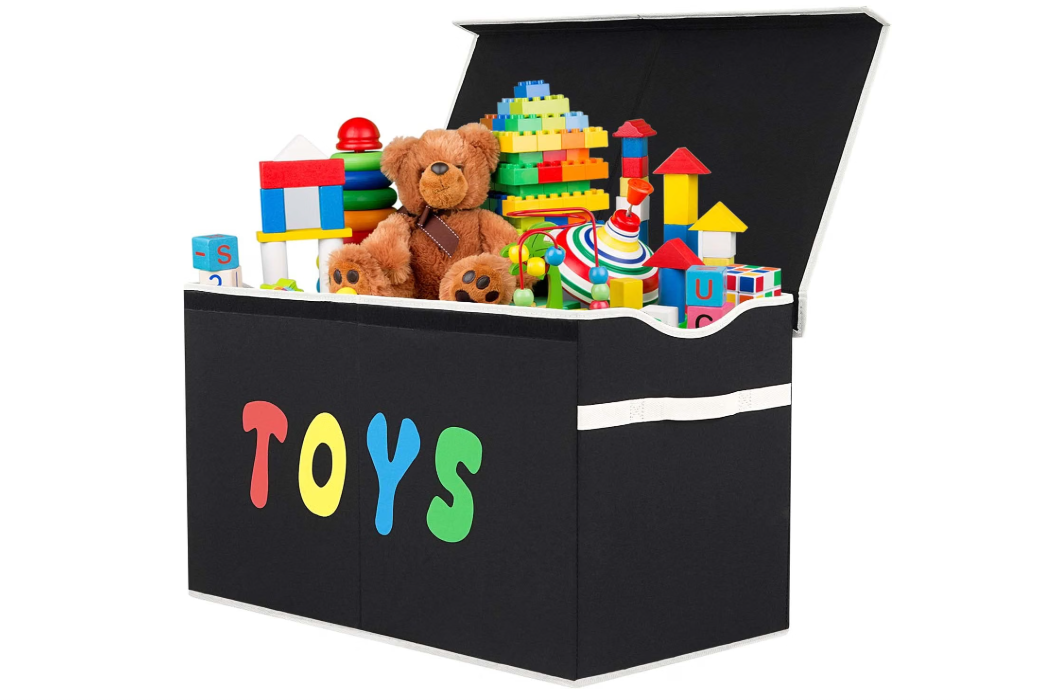
The YOLOXO Collapsible Toy Box Chest is a practical storage solution for keeping children’s toys, books, stuffed animals, clothes, and blankets neatly organized. Its spacious 82-liter capacity provides plenty of room for storing larger collections, while the collapsible design allows the box to fold flat when not in use. The linen fabric exterior and thickened cardboard construction provide a simple, home-friendly appearance, and the removable divider helps separate different items. Reinforced handles make it easier to move between rooms, while the flip-top lid helps keep contents covered and protected from dust.
We recommend this toy organizer for families who want spacious, portable, and space-saving storage for playrooms, bedrooms, and living areas.
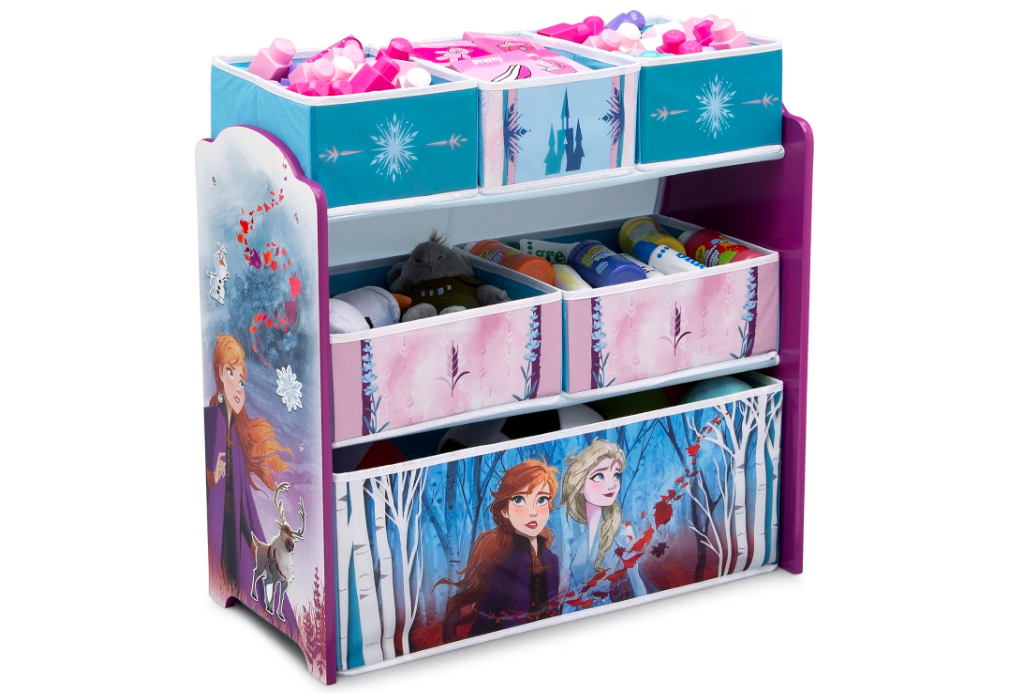
The Delta Children 6-Bin Toy Organizer is a colorful and practical storage solution designed to help children keep toys, books, games, and stuffed animals neatly organized. Its three-tier design includes six fabric bins in different sizes, providing separate spaces for sorting and storing various items. The kid-friendly height makes it easier for children to access their belongings and learn simple organization habits. Its compact footprint works well in bedrooms, playrooms, and nurseries, while the playful character-themed design adds a fun touch to children’s spaces.
We recommend this toy organizer for parents who want accessible, colorful storage that encourages children to keep their play areas tidy and organized.
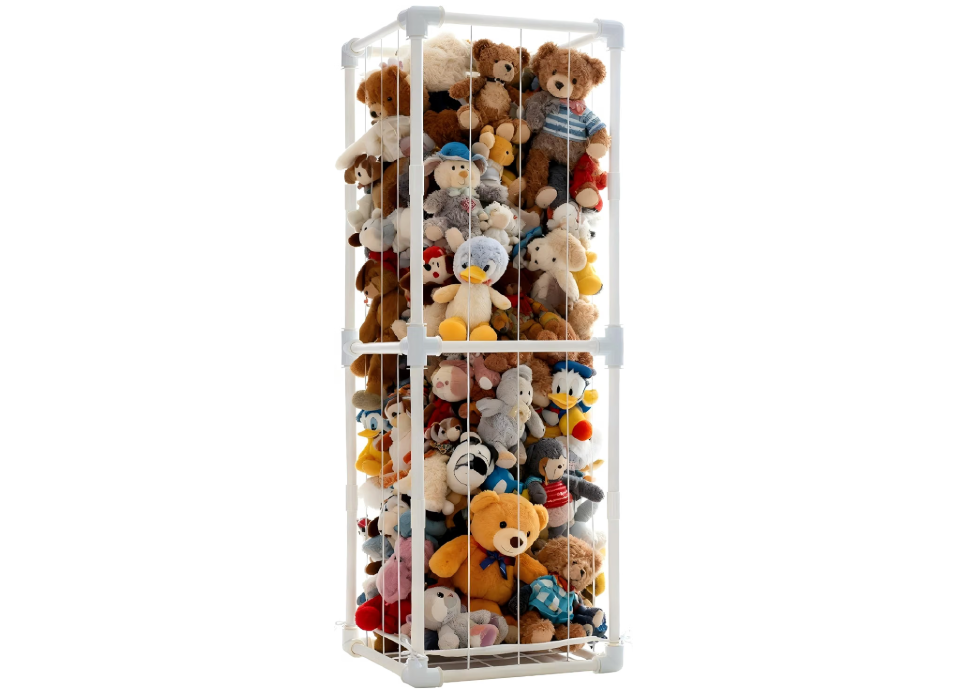
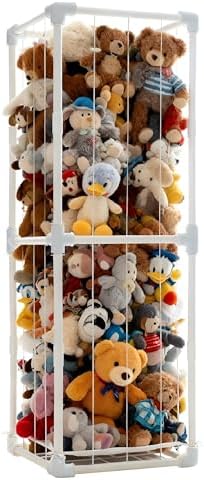
The puheca Stuffed Animal Storage Organizer is a spacious vertical storage solution designed specifically for plush toys and stuffed animals. Its large 365-liter capacity provides plenty of room for organizing a substantial collection while helping reduce clutter in children’s bedrooms and playrooms. The vertical design makes efficient use of floor space, and the quick-lock assembly allows for straightforward setup. Its white finish offers a simple appearance that can blend with different room styles. The organizer also keeps stuffed animals visible and accessible, making it easier for children to pick up and return their favorite toys.
We recommend this organizer for families with large plush collections who need spacious, accessible, and space-saving toy storage.
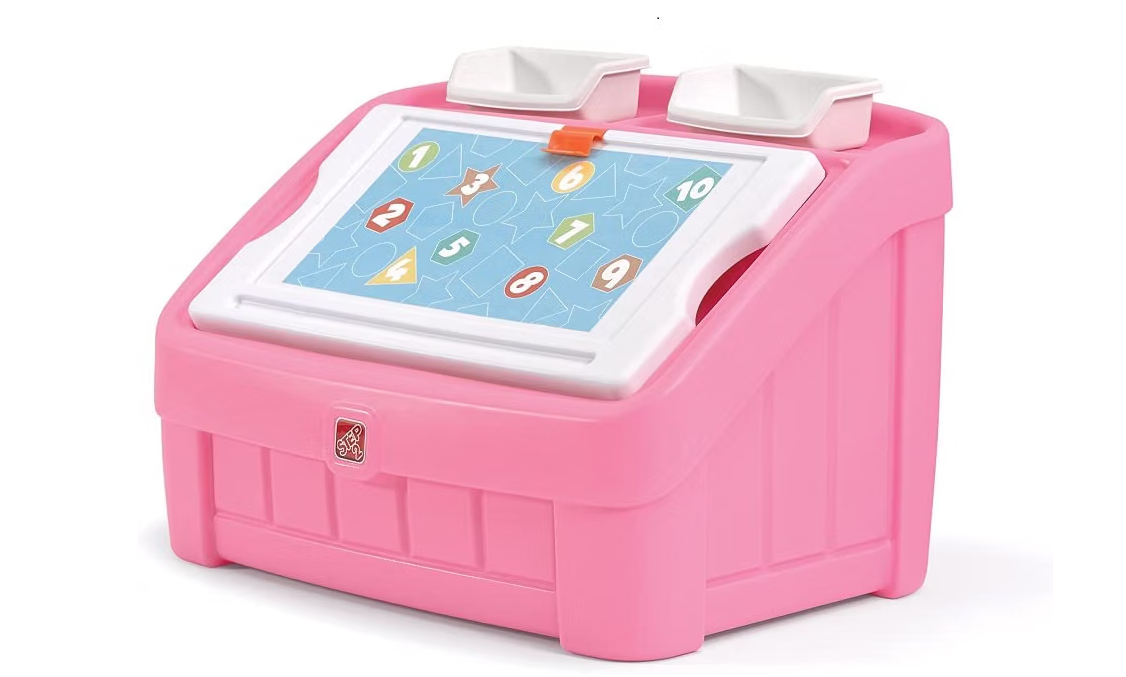
The Step2 2-in-1 Toy Box & Art Lid is a versatile storage solution that combines toy organization with a creative workspace for children. Its spacious 4.5-cubic-foot storage area provides room for toys, books, stuffed animals, and other playtime essentials, while the two removable bins offer additional organization. The removable lid doubles as an art surface, giving children a convenient place for coloring and drawing. Made from durable plastic, the toy box is designed for everyday use and is easy to clean. Its colorful pink design can also add a playful touch to a child’s room.
We recommend this toy organizer for parents seeking practical storage with an added creative feature for children.
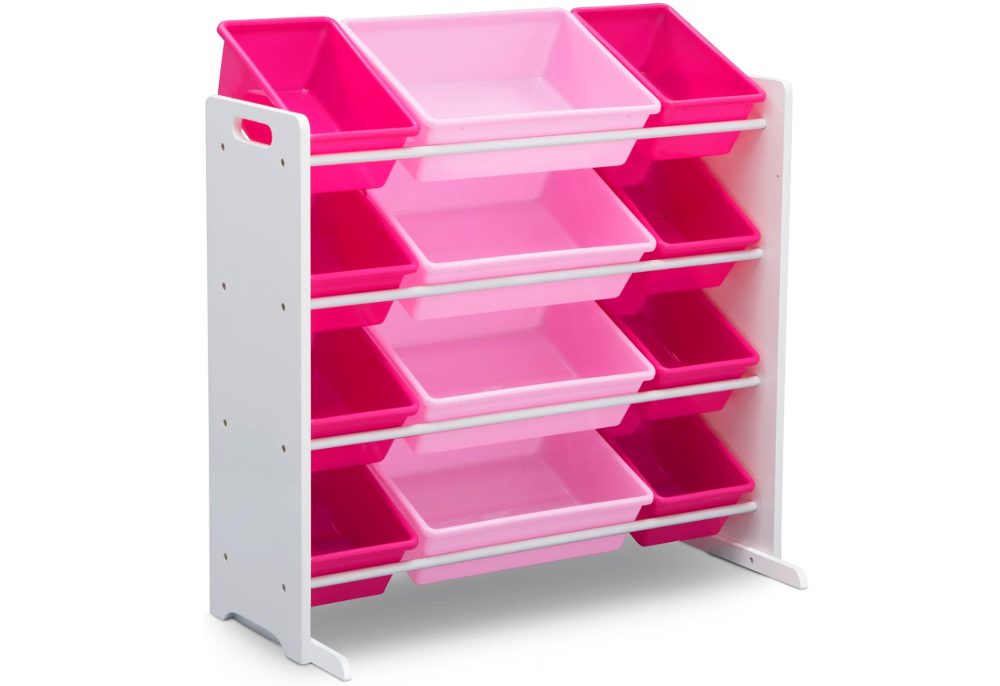
The Delta Children 12-Bin Toy Storage Organizer is a practical solution for keeping children’s toys, books, games, and art supplies neatly arranged. Its four-tier design includes 12 removable plastic bins, with a combination of standard and larger sizes for storing items of different shapes and sizes. The kid-friendly height makes the bins easy for children to reach, while the sturdy frame provides a stable storage structure. The plastic bins are also easy to remove, rearrange, and clean when needed. Its compact vertical design helps organize playrooms, bedrooms, and nurseries without taking up excessive floor space.
We recommend this organizer for families seeking versatile, accessible, and easy-to-maintain toy storage.
Toy Organizers Buying Guide
Choosing the right toy organizer can help reduce clutter, make play areas easier to manage, and encourage children to keep their belongings organized. With options ranging from simple toy boxes to multi-bin shelving systems, consider the following factors before buying.
1. Type of Toy Organizer
Toy organizers come in many styles, including toy boxes, storage bins, cube shelves, baskets, cabinets, and multi-tier racks. Choose a style based on the types of toys you need to store and the available space in your room.
2. Storage Capacity
Consider how many toys you need to organize and choose a unit with enough capacity for your collection. Larger toy boxes work well for stuffed animals and bulky toys, while smaller bins are useful for books, blocks, and accessories.
3. Number of Compartments
Multiple compartments make it easier to separate different types of toys. Organizers with several bins or shelves can help children quickly find specific items and return them to the correct location.
4. Bin Size
Check the size of each storage bin before purchasing. Smaller bins are suitable for small toys, while larger compartments can accommodate stuffed animals, dolls, games, and other bulky items.
5. Material
Common materials include plastic, wood, engineered wood, fabric, and metal. Plastic is easy to clean, wood can provide a sturdy appearance, while fabric bins are lightweight and convenient for everyday toy storage.
6. Durability
A durable organizer should withstand regular use and frequent opening, closing, and rearranging. Pay attention to frame construction, bin quality, handles, hinges, and joints when evaluating long-term durability.
7. Child-Friendly Height
Low storage units allow children to access their toys without unnecessary reaching. A child-friendly height can also encourage children to participate in cleaning up and organizing their play area.
8. Safety Features
Safety is particularly important for children’s furniture. Look for stable construction, rounded edges, secure hardware, and anti-tip features where appropriate. Larger units should be positioned securely according to the manufacturer’s instructions.
9. Ease of Access
Open bins and shelves make toys easy to see and reach, while cabinets and toy chests keep items hidden. Choose the storage style that provides the right balance between accessibility and a tidy appearance.
10. Removable Bins
Removable bins can make organization more flexible and convenient. They allow children to carry toys to another room and make it easier to clean, rearrange, or categorize stored items.
11. Weight Capacity
Check the organizer’s recommended weight capacity, especially when storing books, building sets, or heavier toys. Avoid placing more weight inside bins or on shelves than the manufacturer recommends.
12. Size and Available Space
Measure the area where you plan to place the organizer before buying. Consider its width, depth, and height as well as the space required to open drawers, doors, or lids.
13. Assembly
Some toy organizers arrive fully assembled, while others require assembly. Check the assembly instructions and included hardware to determine whether setup will be simple and whether additional tools may be needed.
14. Ease of Cleaning
Children’s storage can quickly collect dust, spills, and fingerprints. Plastic bins and wipe-clean surfaces are generally convenient for regular maintenance, while fabric compartments may require more careful cleaning.
15. Portability
Portable organizers are useful when toys frequently move between bedrooms, playrooms, and living areas. Look for carrying handles, lightweight bins, or casters when mobility is an important requirement.
16. Open vs. Enclosed Storage
Open shelves provide quick access and visibility, while enclosed cabinets and toy boxes create a cleaner appearance by hiding clutter. Consider whether accessibility or concealed storage is more important for your needs.
17. Design and Appearance
Toy organizers are available in neutral finishes as well as colorful, character-themed designs. Choose an appearance that complements the child’s room, playroom, or other area where the organizer will be placed.
18. Age Appropriateness
Consider the child’s age when selecting an organizer. Younger children may benefit from simple open bins and low shelves, while older children may be able to use drawers, cabinets, and larger storage systems.
19. Versatility
A versatile organizer can store more than just toys. Look for models that can also accommodate books, art supplies, clothes, stuffed animals, blankets, or school materials so the organizer remains useful as needs change.
20. Price and Overall Value
Compare the storage capacity, materials, safety features, durability, and included accessories with the price. A reasonably priced organizer that fits your needs can provide better value than paying extra for features you may not use.
Bottom Line
The right toy organizer should provide enough storage while remaining safe, accessible, durable, and suitable for the available space. Consider the organizer’s material, capacity, compartments, size, cleaning requirements, and child-friendly design before making your choice. Whether you need a simple toy box, a multi-bin shelf, or a large plush-toy organizer, selecting a model that matches your child’s habits and your storage needs can make keeping the play area tidy much easier.
Frequently Asked Questions
A toy organizer is a storage unit designed to keep children’s toys and playtime items neatly arranged. It may include bins, shelves, drawers, baskets, cabinets, or a combination of different storage compartments.
The right type depends on the child’s age, the toys being stored, and available space. Open bins and low shelves are convenient for younger children, while toy boxes, cabinets, and larger shelving systems can work well for older children.
Toy organizers can be safe when they have stable construction, secure hardware, rounded edges, and appropriate safety features. Larger units should be secured against tipping according to the manufacturer’s instructions.
Many plastic organizers are lightweight, easy to clean, and suitable for everyday use. Durability varies by product, so check the plastic thickness, frame construction, and manufacturer’s recommended usage.
Toy boxes are useful for storing larger items and can hide clutter quickly, while individual bins make it easier to separate and identify different types of toys. The better option depends on your storage needs.
Conclusion
Toy organizers are a practical way to reduce clutter and keep children’s rooms, playrooms, and living spaces neat and organized. From spacious toy boxes and multi-bin shelves to fabric storage bins and vertical plush-toy organizers, different designs can accommodate a wide range of toys and storage needs.
When choosing a toy organizer, consider its storage capacity, number and size of compartments, material, durability, child-friendly height, safety features, ease of cleaning, portability, and available space. Removable bins, open shelves, and versatile designs can also make daily organization more convenient.
Ultimately, the right toy organizer should provide accessible storage while fitting comfortably into your child’s space. By comparing functionality, safety, build quality, and overall value, you can choose a storage solution that helps keep toys organized and makes cleanup easier for the whole family.