
Introduction
Shoe organizers are a simple and practical way to keep footwear neatly arranged while making better use of your available space. Whether you have a large shoe collection or only need to organize everyday pairs, the right storage solution can reduce clutter and make shoes easier to find. Options include shoe racks, cabinets, stackable boxes, over-the-door organizers, benches, and under-bed storage.
When choosing a shoe organizer, consider the number of pairs you need to store, available floor or closet space, material, durability, ventilation, and accessibility. Compact designs can be especially useful for apartments, entryways, and small closets, while larger racks and cabinets are better suited to bigger collections. Enclosed storage can also help keep shoes protected from dust.
In this guide, we’ll explore some of the best shoe organizers for different spaces, styles, and budgets. Whether you need a compact solution for an entryway or a larger organizer for your closet, the right option can help keep your footwear tidy, accessible, and protected.
How We Choose Products
- We evaluate products using relevant specifications, features, design, materials, functionality, ease of use, intended use and overall value.
- Our recommendations are based on information available from manufacturers, retailers and other publicly available sources, along with our own editorial analysis.
- We aim to present product information accurately and distinguish manufacturer or retailer claims from our independent assessment.
- We do not claim to have personally tested a product unless we have hands-on experience with it. When we have not personally tested a product, our evaluation is based on available product information and careful editorial research.
Top Shoe Organizers
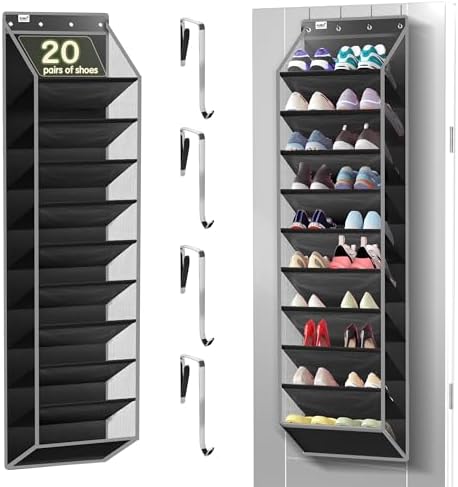



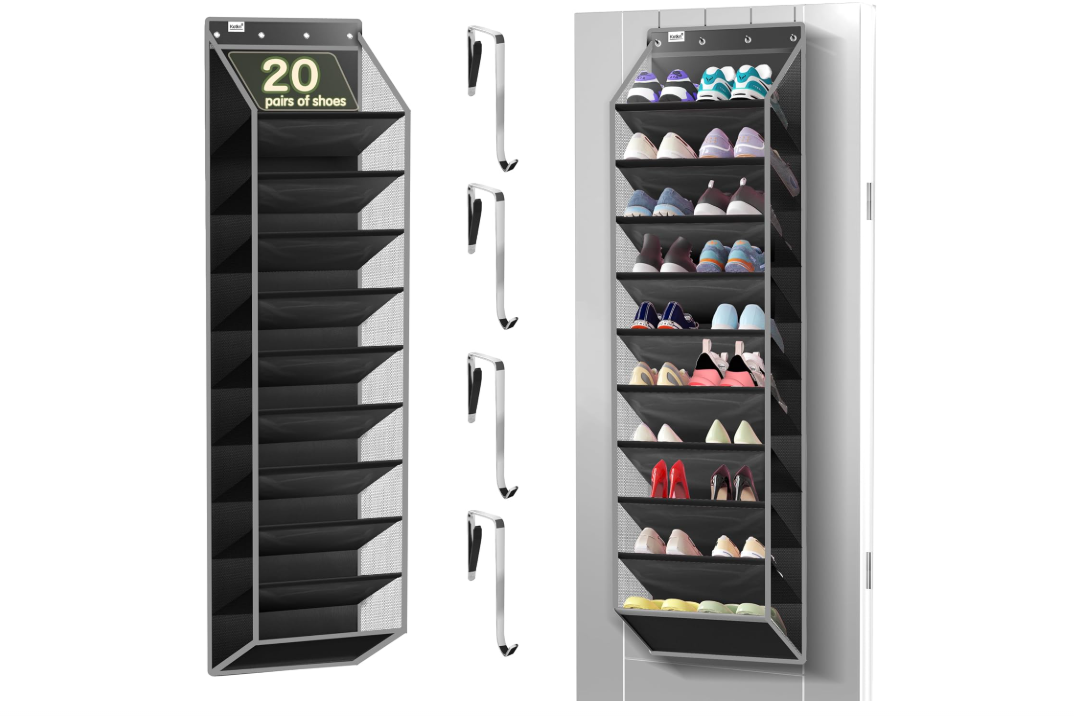
The KOTKN 10-Tier Over-the-Door Shoe Organizer is a practical way to maximize unused door space and keep footwear neatly arranged. Its 10-tier design provides storage for more than 20 pairs of shoes, including sneakers and boots, while breathable 180D mesh sides improve airflow around stored footwear. Durable 200D Oxford fabric helps the organizer maintain its shape during regular use, and the hanging design requires no floor space or complicated installation. It can also be used for accessories and other lightweight household items.
We recommend this organizer for homeowners seeking space-saving, breathable, and convenient storage for shoes, accessories, and everyday household essentials.
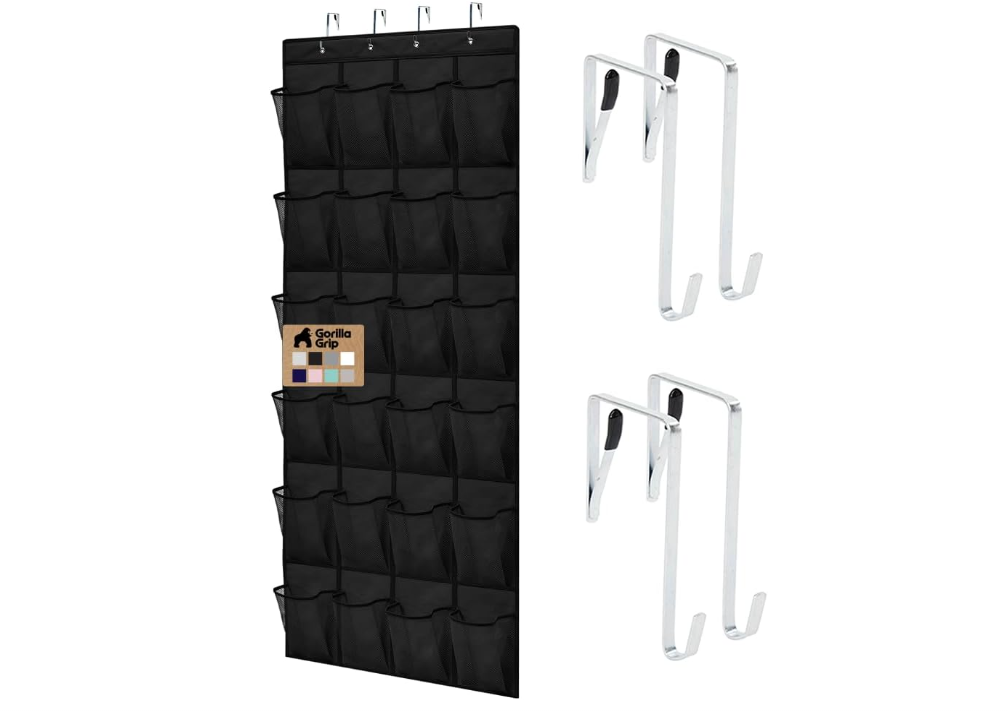
The GORILLA GRIP Over-the-Door Shoe Organizer is a convenient way to maximize unused door space and keep everyday items neatly organized. Its 24 deep mesh pockets provide room for shoes, sneakers, slippers, accessories, toiletries, cleaning supplies, and other lightweight essentials. Measuring about 64 × 19 inches, it fits most standard interior doors and requires no hardware for installation. Durable non-woven fabric, reinforced stitching, and four sturdy hooks provide reliable support, with a total capacity of up to 40 pounds.
We recommend this organizer for homeowners seeking a space-saving, versatile, and easy-to-use storage solution for shoes and household essentials.
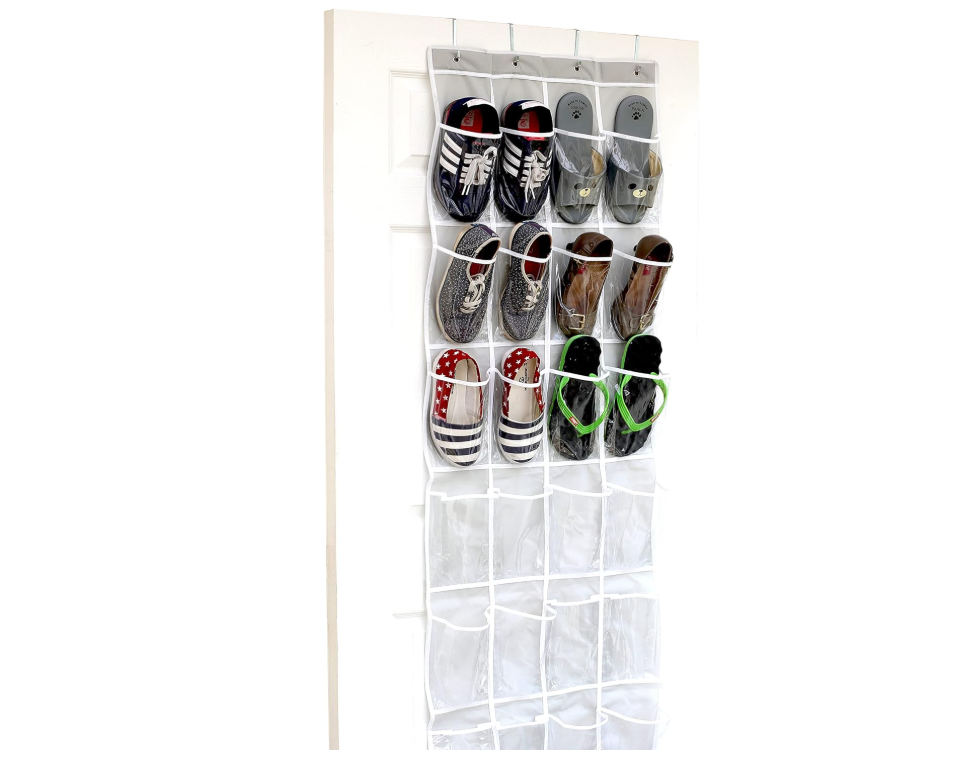
The SimpleHouseware 24-Pocket Over-the-Door Shoe Organizer is a practical way to maximize unused door space and keep footwear neatly arranged. Measuring 64 × 19 inches, it features 24 clear pockets that make shoes and other stored items easy to see and access. The large pockets can accommodate various footwear styles, while the included four metal hooks provide simple installation on standard doors or closet rods. Its lightweight, foldable construction makes it convenient for bedrooms, closets, dorms, and other compact spaces.
We recommend this organizer for homeowners seeking affordable, space-saving, and versatile storage for shoes, accessories, beauty products, toys, and everyday household essentials.
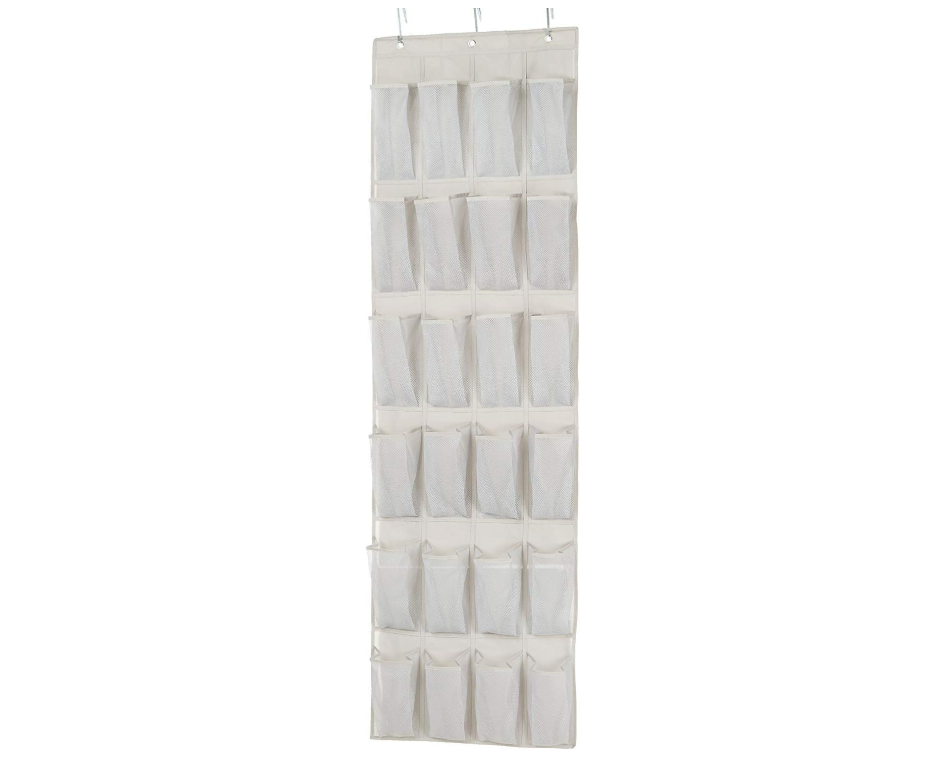
The Amazon Basics 24-Pocket Over-the-Door Shoe Organizer is a simple and space-saving solution for keeping footwear and household essentials organized. Measuring about 67.2 × 18.9 inches, it features 24 breathable mesh pockets that can store up to 12 pairs of shoes or 24 pairs of sandals. The pockets are also useful for small accessories, cleaning supplies, toys, and other lightweight items. Three metal hooks allow quick installation over standard residential doors, with no assembly required.
We recommend this organizer for homeowners seeking an affordable, convenient, and space-saving way to maximize unused door space and keep everyday items neatly organized.
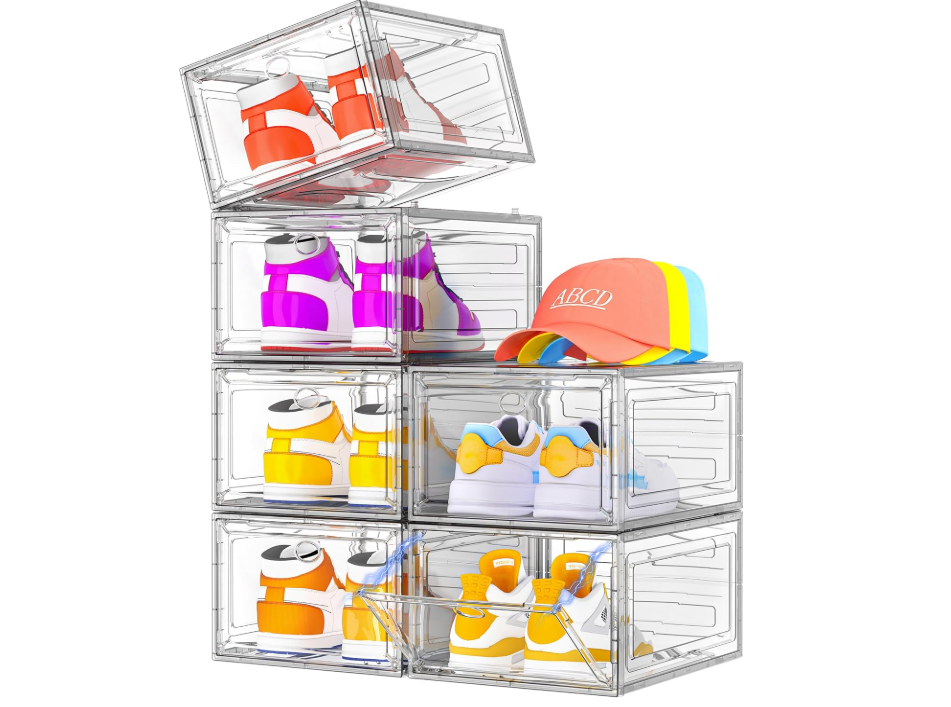
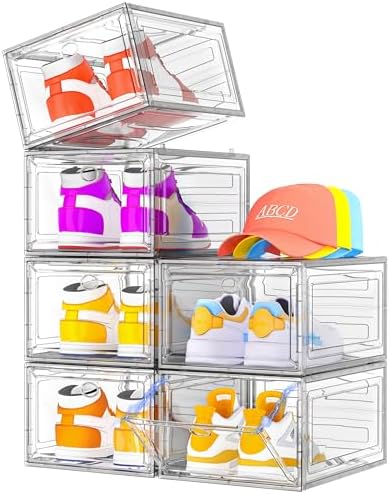
The 7 CODE Clear Shoe Storage Organizer is a practical solution for keeping footwear neatly arranged while maximizing closet space. This 6-pack includes sturdy clear plastic boxes measuring about 13.5 × 10.5 × 7.2 inches, making them suitable for sneakers, boots, sandals, heels, hats, clothes, accessories, and other items. The transparent panels make it easy to identify contents, while the magnetic front doors provide convenient access. Stackable interlocking panels allow customized vertical storage and help keep boxes stable.
We recommend these organizers for homeowners seeking durable, space-saving, and attractive storage that keeps shoes and household essentials protected, visible, and neatly organized.
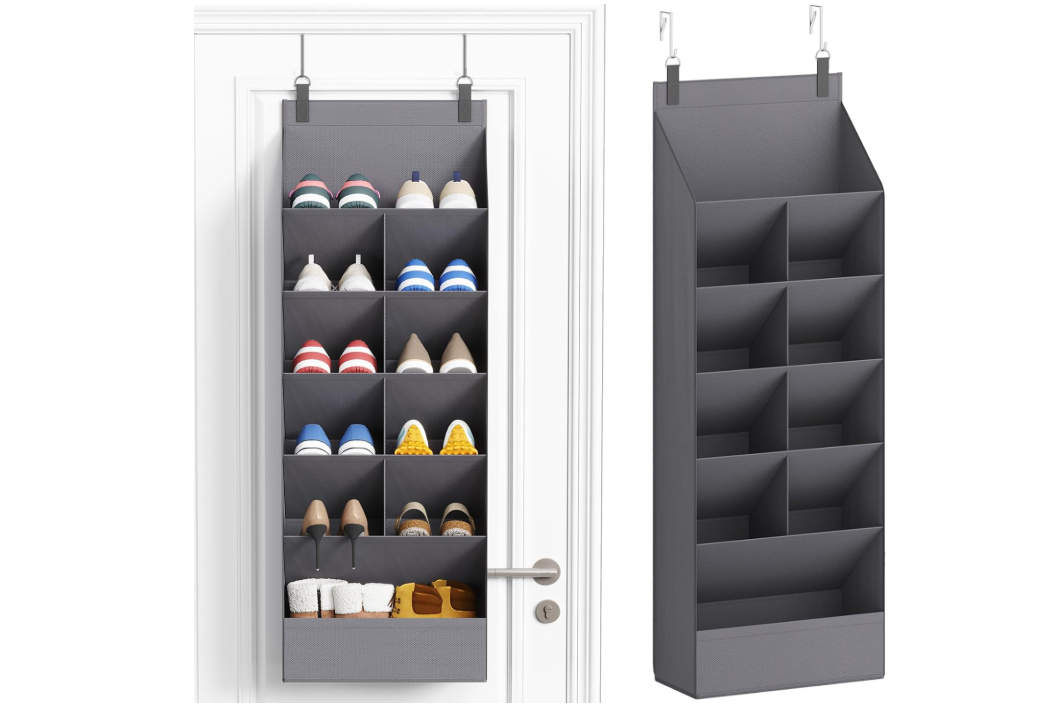
The Lifewit Over-the-Door Shoe Organizer is a practical way to maximize unused door space and keep footwear and household essentials neatly organized. It features 11 large deep pockets across six tiers, providing room for sneakers, boots, sandals, toys, toiletries, accessories, and other lightweight items. Breathable non-woven fabric helps improve airflow, while reinforced construction supports up to 10 pounds per pocket. The hanging design fits doors up to 1.7 inches thick and requires no complicated assembly.
We recommend this organizer for homeowners seeking affordable, space-saving, and accessible storage that helps reduce closet clutter while keeping shoes and everyday essentials easy to find.
Shoe Organizers Buying Guide
A good shoe organizer can help reduce clutter, protect your footwear, and make it easier to find the right pair. With different styles and sizes available, consider these factors before buying.
1. Consider Your Available Space
Measure the area where you plan to place the organizer. Check the width, height, and depth of your closet, entryway, or bedroom to ensure the organizer fits comfortably.
2. Choose the Right Type
Popular options include shoe racks, stackable boxes, over-the-door organizers, shoe cabinets, benches, and under-bed storage. Choose a style that matches your space and storage needs.
3. Check Storage Capacity
Count how many pairs you need to store and choose an organizer with enough capacity. Leave some extra room if you expect your shoe collection to grow.
4. Consider Shoe Size
Make sure the compartments are large enough for your footwear. Boots, high-top sneakers, and larger shoes may require deeper or wider storage spaces.
5. Check the Material
Common materials include plastic, metal, wood, and fabric. Plastic boxes offer visibility and protection, metal racks provide sturdy support, while fabric organizers are lightweight and flexible.
6. Consider Ventilation
Good airflow can be useful for footwear that needs to dry or breathe after use. Mesh or open designs generally provide more ventilation than enclosed storage.
7. Look for Stackable Designs
Stackable shoe boxes can maximize vertical space and are useful for closets or bedrooms with limited floor area. Make sure the boxes are stable when stacked.
8. Consider Over-the-Door Options
Over-the-door organizers use unused vertical space and are especially useful for small bedrooms, dorms, and apartments. Check door thickness and hook compatibility before buying.
9. Check Accessibility
Choose compartments that make it easy to see and remove your shoes. Clear boxes, open shelves, and angled pockets can improve visibility and accessibility.
10. Consider Dust Protection
Open racks provide quick access but leave shoes exposed to dust. Clear boxes and enclosed cabinets can offer better protection when footwear is stored for longer periods.
11. Check Weight Capacity
Review the manufacturer’s weight capacity, especially for hanging organizers and multi-tier racks. Avoid overloading shelves or pockets beyond their recommended limits.
12. Consider Portability
Lightweight fabric organizers and plastic boxes can be easier to move or rearrange. Heavier wooden or metal racks may offer more stability but are less portable.
13. Think About Assembly
Some racks and cabinets require assembly, while hanging organizers and storage boxes may need little or no setup. Check the assembly requirements before purchasing.
14. Match Your Décor
Choose a shoe organizer that complements your room. Modern cabinets, wooden racks, minimalist shelves, and fabric organizers can create different looks while providing practical storage.
15. Compare Price and Value
Don’t choose a shoe organizer based only on price or capacity. Compare materials, durability, dimensions, storage capacity, accessibility, ventilation, dust protection, and installation to determine its overall value.
Bottom Line
The best shoe organizer should fit your available space while providing enough room for your footwear. Prioritize size, capacity, material, accessibility, durability, ventilation, and protection to create a neat and functional shoe-storage solution.
Frequently Asked Questions
The best type depends on your space and shoe collection. Over-the-door organizers are great for small spaces, while racks, cabinets, and stackable boxes work well for larger collections.
Clear storage boxes provide better dust protection and visibility, while open racks offer quicker access and better ventilation. Choose based on how you prefer to store and access your footwear.
Yes, when properly installed and kept within their recommended weight capacity. Check your door thickness and the organizer’s hook requirements before purchasing.
Yes. Clear boxes make it easy to identify footwear while helping protect shoes from dust. They can also be stacked to maximize vertical storage.
Plastic, metal, wood, and fabric can all work well. Plastic offers visibility and easy cleaning, metal provides strong support, wood adds a furniture-style appearance, and fabric is lightweight and flexible.
Conclusion
A good shoe organizer can make your home more organized by keeping footwear neat, accessible, and protected. Whether you choose an over-the-door organizer, shoe rack, cabinet, stackable boxes, or under-bed storage, the right option depends on your available space and the size of your shoe collection.
When shopping, consider capacity, dimensions, material, accessibility, ventilation, dust protection, durability, and installation requirements. Clear boxes are useful for visibility and protection, while open racks provide quick access and airflow. Over-the-door and under-bed solutions can be especially valuable when floor space is limited.
Ultimately, the best shoe organizer is one that fits your space and accommodates your footwear comfortably. By comparing storage capacity, design, durability, and ease of use, you can create a cleaner, more organized area while keeping your shoes easy to find and ready to wear.