
Introduction
Plant stands are a practical and decorative way to display indoor and outdoor plants while making better use of available space. They can elevate plants from the floor, create different height levels, and help bring greenery into living rooms, bedrooms, balconies, patios, entryways, and other areas. Plant stands are available in a wide range of designs, from simple single-pot holders to multi-tier shelves and decorative wooden or metal structures.
The best plant stands combine stability, durability, attractive design, and suitable weight capacity. Common materials include wood, metal, bamboo, plastic, and engineered wood, with different options available for modern, rustic, minimalist, and traditional interiors. Some models also feature multiple tiers, wheels, adjustable shelves, or compact designs for small spaces.
When choosing a plant stand, consider its size, material, weight capacity, number of tiers, stability, placement, maintenance requirements, and overall appearance. In this guide, we’ll explore some of the best plant stands and their key features to help you choose the right option for your plants and space.
How We Choose Products
- We evaluate products using relevant specifications, features, design, materials, functionality, ease of use, intended use and overall value.
- Our recommendations are based on information available from manufacturers, retailers and other publicly available sources, along with our own editorial analysis.
- We aim to present product information accurately and distinguish manufacturer or retailer claims from our independent assessment.
- We do not claim to have personally tested a product unless we have hands-on experience with it. When we have not personally tested a product, our evaluation is based on available product information and careful editorial research.
Top Plant Stands



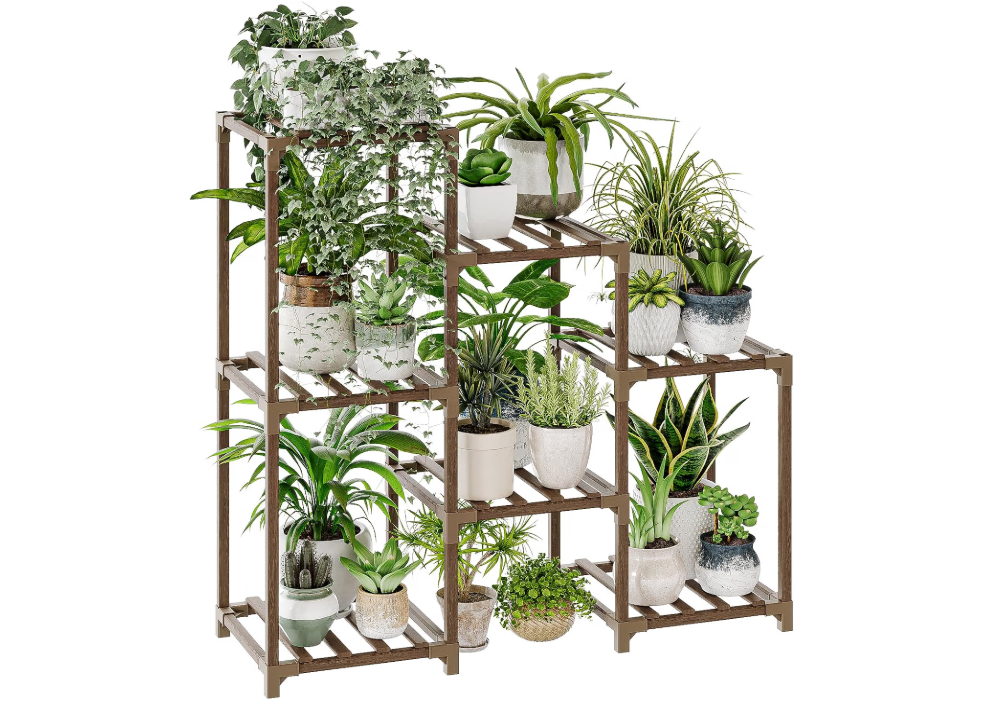
The Bamworld 3-Tier Plant Stand is a practical and attractive solution for displaying multiple plants while making efficient use of available space. Its tiered ladder-style design provides three levels for arranging flower pots, allowing smaller plants to remain visible instead of being hidden behind larger ones. Made from carbonized natural wood, it offers a warm, rustic appearance that can complement different home and garden settings. The stand can hold several plant pots and is suitable for living rooms, balconies, patios, and other areas.
We recommend this plant stand for plant lovers who want a space-saving, natural-looking display with multiple levels for organizing their favorite plants.
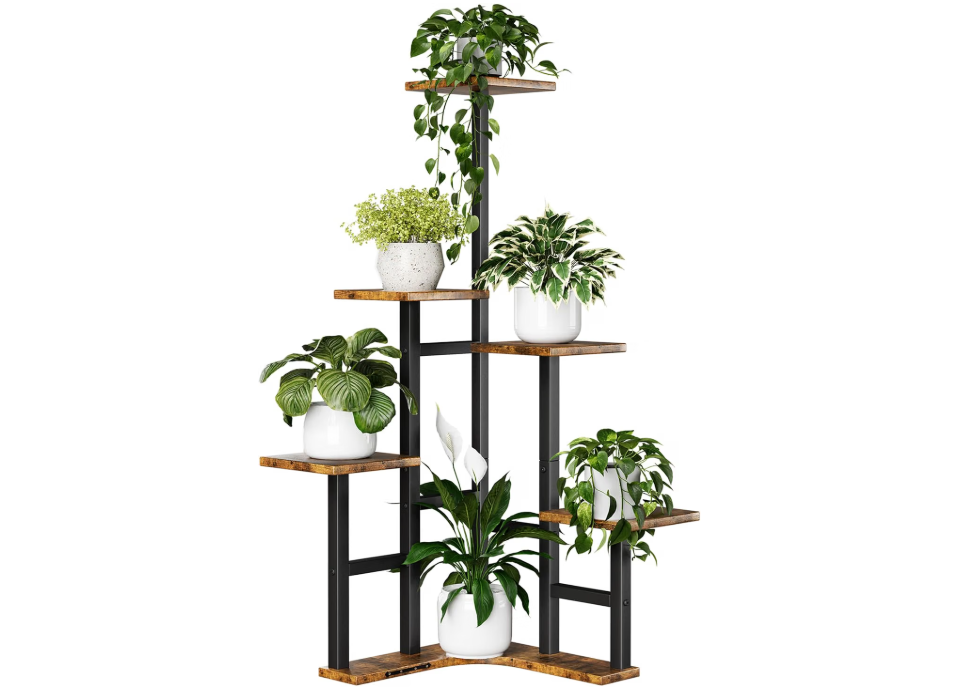
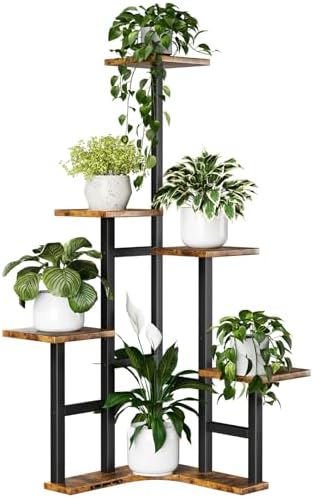
The Yzosvki 6-Tier Corner Plant Stand is a space-saving solution for displaying multiple plants while making efficient use of unused corner areas. Its six-tier design provides several levels for arranging plants at different heights, helping create an attractive and organized display. The combination of engineered wood and metal offers a practical balance of style and structure, while the rustic brown finish can complement various home décor styles. Its corner-oriented design makes it useful for living rooms, balconies, patios, and garden areas.
We recommend this plant stand for plant enthusiasts who need multi-level storage and want to maximize vertical space in a corner.
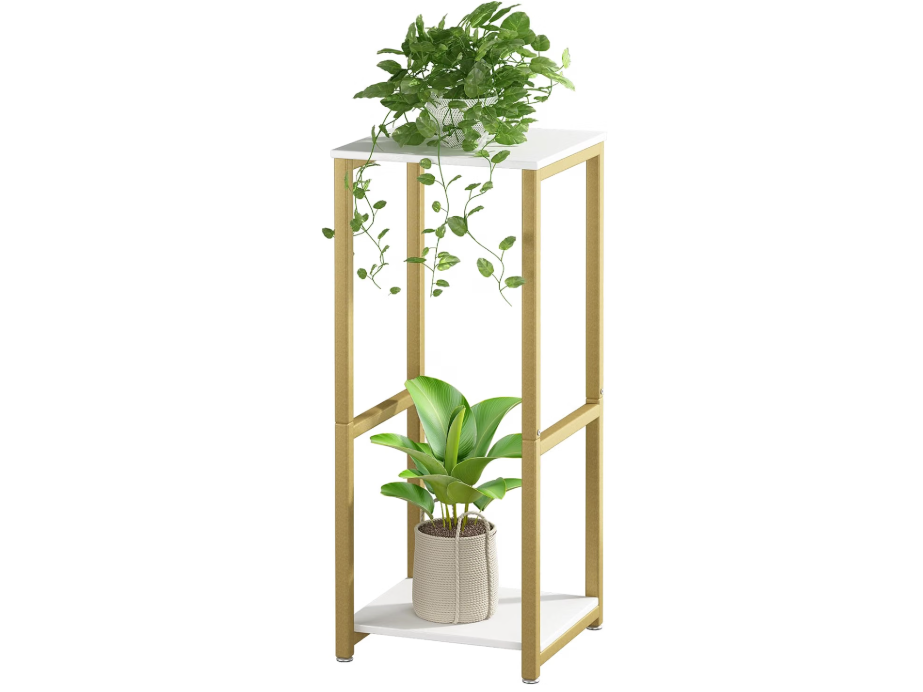
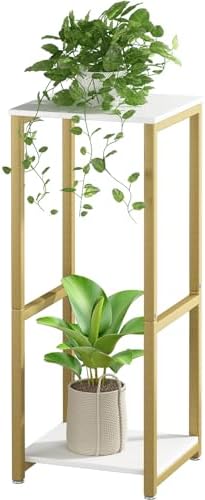
The YIZAIJIA 2-Tier Plant Stand is a stylish and compact option for displaying plants while making efficient use of vertical space. Its tall, corner-friendly design provides two levels for arranging flower pots, allowing plants to be displayed at different heights. The metal construction offers a sturdy structure, while the gold finish adds a modern decorative touch that can complement contemporary home décor. Its relatively compact footprint makes it suitable for living rooms, bedrooms, balconies, patios, and other areas where floor space is limited.
We recommend this plant stand for plant lovers who want a simple, space-saving display with a modern appearance for smaller plants and decorative pots.
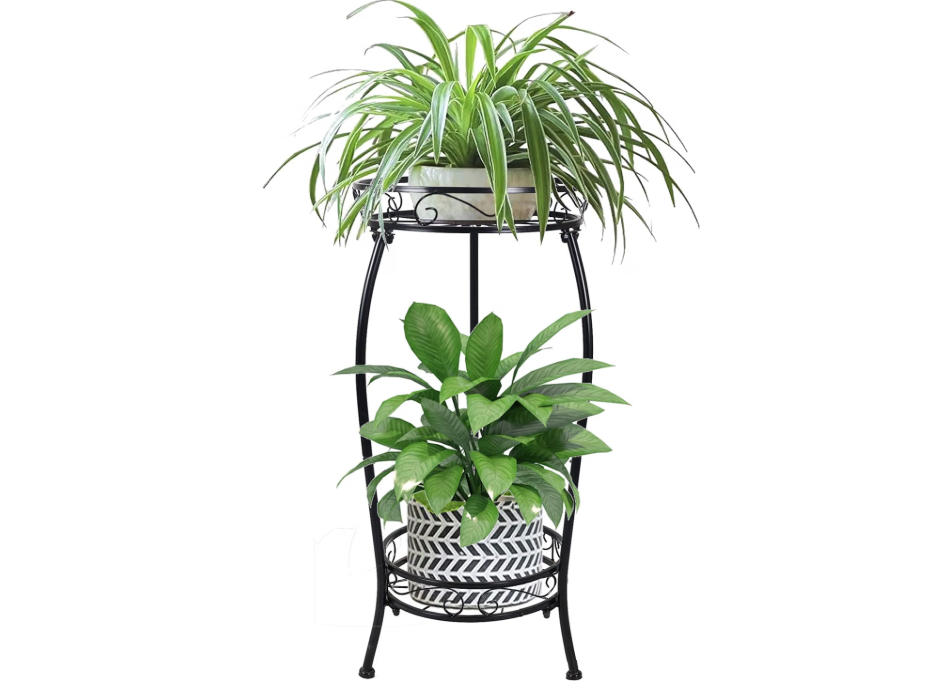
The MOCORY 2-Tier Plant Stand is a practical option for displaying multiple plants while adding vertical organization to indoor or outdoor spaces. Its two-tier design provides separate levels for arranging flower pots, helping create a more attractive display without taking up excessive floor space. The iron construction offers a sturdy structure, while the rust-resistant finish is designed to provide better durability in different environments. Its lightweight design also makes it easier to move between locations when needed.
We recommend this plant stand for homeowners and plant enthusiasts who want a compact, durable, and versatile display for balconies, patios, gardens, porches, or indoor spaces.
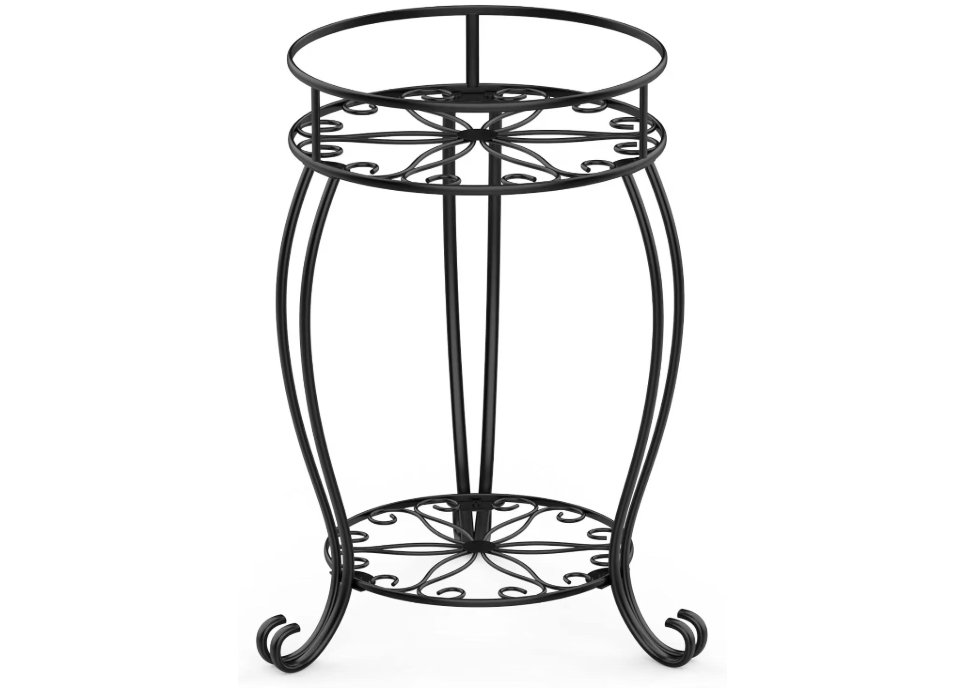
The FaithLand 2-Tier Plant Stand is a compact and practical option for displaying flower pots, succulents, and decorative plants in different areas of the home. Its two-tier design creates separate display levels while making efficient use of vertical space, making it suitable for balconies, patios, porches, living rooms, and corners. The metal construction provides a sturdy structure, while its weather-resistant coating is designed to support use in different environments. Its lightweight design also makes it relatively easy to reposition when needed.
We recommend this plant stand for plant enthusiasts who want an affordable, space-saving display with a simple metal design for small and medium-sized plants.
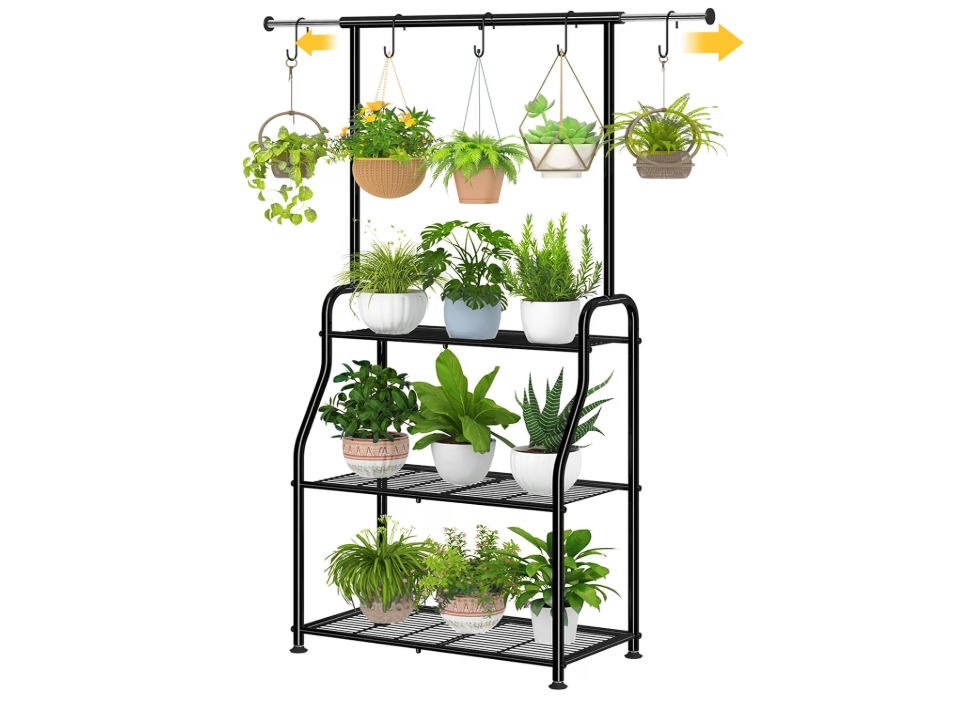
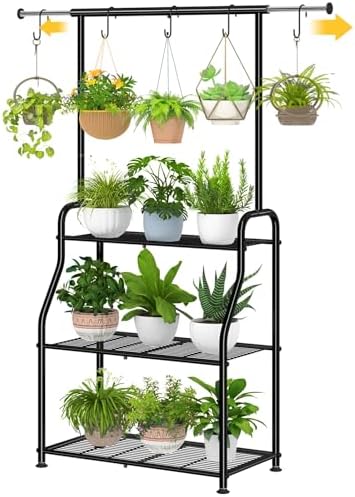
The Simple Trending 3-Tier Plant Stand is a versatile display solution designed for plant lovers who want to organize multiple plants while maximizing vertical space. Its three-tier metal structure provides room for several pots, while the adjustable hanging rod adds space for hanging plants, creating a more varied display. The tall design works well in balconies, patios, gardens, living rooms, and other areas where floor space is limited. Its rust- and corrosion-resistant construction is suitable for indoor and outdoor environments, while protective floor pads help provide stability and protect surfaces.
We recommend this plant stand for users who want a spacious, multi-level display with additional hanging capacity.
Plant Stands Buying Guide
A plant stand can make it easier to display plants attractively while using vertical space more efficiently. With options ranging from compact single-pot holders to large multi-tier racks, choosing the right stand depends on your plants, available space, and preferred style. Before buying, consider the following factors.
1. Type of Plant Stand
Plant stands come in single-tier, multi-tier, ladder-style, corner, pedestal, hanging, and shelving designs. Choose a style that matches the number of plants you have and how you want to arrange them.
2. Size and Dimensions
Measure the available space before purchasing a plant stand. Consider its height, width, and depth to ensure it fits comfortably without blocking walkways, windows, doors, or other furniture.
3. Number of Tiers
Multi-tier stands allow you to display several plants at different heights. More tiers provide additional display space, while two- or three-tier models may be more suitable for smaller areas.
4. Weight Capacity
Check the stand’s maximum weight capacity and compare it with the combined weight of your pots, soil, plants, and water. Choose a model with sufficient capacity for your intended plants.
5. Material
Common plant stand materials include metal, wood, bamboo, plastic, and engineered wood. Metal can provide a sturdy structure, while wood and bamboo offer a warmer, natural appearance.
6. Stability
A stable base is important, particularly for tall plant stands. Look for wide bases, sturdy legs, balanced shelves, and other features that help keep the stand secure when holding multiple pots.
7. Indoor or Outdoor Use
Not every plant stand is suitable for outdoor conditions. For patios, balconies, porches, and gardens, choose a model designed for outdoor use with appropriate weather-resistant construction.
8. Rust and Weather Resistance
Metal stands used outdoors should ideally have rust-resistant or corrosion-resistant finishes. This can help protect the stand from moisture and changing weather conditions.
9. Shelf Size
Check the dimensions of each shelf to make sure your plant pots will fit securely. Larger pots may require wider shelves, while small shelves can work well for succulents and smaller decorative plants.
10. Pot Compatibility
Consider the size and shape of your existing pots. Some stands have circular holders or recessed areas designed for specific pot sizes, while others provide flat shelves suitable for different containers.
11. Height
A taller stand can create a more noticeable display and make better use of vertical space. However, very tall models may require careful placement and additional stability, especially when used with heavy pots.
12. Design and Appearance
Choose a style that complements your home’s décor and the appearance of your plants. Modern metal, rustic wood, minimalist, industrial, and decorative designs are widely available.
13. Space-Saving Design
Corner and vertical plant stands can make efficient use of limited floor space. They are particularly useful for apartments, balconies, small rooms, and other areas where floor space is limited.
14. Hanging Plant Support
Some plant stands include hanging rods or hooks in addition to shelves. These designs can provide extra space for hanging baskets and create more variety in your plant display.
15. Assembly
Many plant stands require some assembly. Check whether tools are included and consider the complexity of the assembly process, especially for larger multi-tier models.
16. Portability
If you frequently rearrange your plants or move them between indoor and outdoor areas, consider a lightweight plant stand. Some models may also include wheels or other features that make movement easier.
17. Surface Protection
Look for protective foot pads or non-slip feet if the stand will be placed on finished floors, balconies, or delicate surfaces. These features can help reduce scratches and improve stability.
18. Drainage and Water Management
Consider how water from plant pots will affect the stand and the surface underneath. Stands with suitable trays or spacing can make it easier to manage excess water, while outdoor stands may allow water to drain naturally.
19. Durability and Maintenance
Choose materials and finishes that match your environment and maintenance preferences. Metal may require rust protection outdoors, while wooden stands may need additional care to maintain their appearance.
20. Price and Overall Value
Compare the price with the stand’s material, capacity, size, durability, number of tiers, and additional features. A more expensive model may offer stronger construction or greater capacity, while a basic stand may be sufficient for a smaller plant collection.
Bottom Line
The right plant stand should provide a stable and attractive place for your plants while fitting comfortably into your available space. Consider the stand’s dimensions, material, weight capacity, number of tiers, stability, pot compatibility, and intended indoor or outdoor use. Features such as rust-resistant finishes, hanging rods, protective feet, and space-saving designs can provide additional convenience. By comparing these factors with your plant collection and décor preferences, you can choose a plant stand that offers practical organization and an attractive way to showcase your greenery.
Frequently Asked Questions
A plant stand is a structure designed to elevate and display potted plants. It can help organize plants, improve visibility, and make better use of vertical space in homes, balconies, patios, and gardens.
The best type depends on your available space and number of plants. Multi-tier stands are useful for several plants, while corner stands work well in small spaces and single-pot stands are suitable for individual plants.
Some plant stands are specifically designed for outdoor use. Look for weather-resistant materials and rust-resistant finishes when choosing a stand for balconies, patios, porches, or gardens.
Metal, wood, bamboo, and plastic are common choices. Metal can provide durability and stability, while wood and bamboo offer a natural appearance. The best material depends on your intended location and maintenance preferences.
Multi-tier stands can be useful when you want to display several plants while maximizing vertical space. However, the ideal number of tiers depends on the available space and size of your plants.
Conclusion
Plant stands provide a practical and attractive way to organize and display plants while making better use of available space. From compact two-tier designs and corner stands to larger multi-level racks with hanging supports, there are options for different plant collections, room sizes, and decorating styles.
When choosing a plant stand, consider its size, material, weight capacity, stability, number of tiers, shelf dimensions, and whether it is designed for indoor or outdoor use. Features such as rust-resistant finishes, protective feet, hanging hooks, and space-saving designs can provide additional convenience.
Ultimately, the right plant stand should safely support your plants while complementing your space and décor. By comparing construction quality, capacity, design, maintenance requirements, and overall value, you can choose a suitable stand for displaying and organizing your favorite plants.