
Introduction
Planters are a simple and versatile way to add greenery, color, and style to indoor and outdoor spaces. They provide a dedicated home for flowers, herbs, succulents, vegetables, and decorative plants while allowing you to arrange greenery almost anywhere. From compact tabletop pots and hanging planters to large outdoor containers and raised planters, there are many options to suit different plants, spaces, and decorating styles.
The best planters combine attractive design with practical features such as proper drainage, durable materials, suitable size, and weather resistance. Materials can include plastic, ceramic, wood, metal, concrete, and resin, each offering different advantages in terms of appearance, weight, and durability. Choosing the right planter also depends on the plant’s root size, watering needs, location, and available space.
In this guide, we’ll explore some of the best planters and their key features, benefits, and ideal uses to help you create a healthier and more attractive plant display.
How We Choose Products
- We evaluate products using relevant specifications, features, design, materials, functionality, ease of use, intended use and overall value.
- Our recommendations are based on information available from manufacturers, retailers and other publicly available sources, along with our own editorial analysis.
- We aim to present product information accurately and distinguish manufacturer or retailer claims from our independent assessment.
- We do not claim to have personally tested a product unless we have hands-on experience with it. When we have not personally tested a product, our evaluation is based on available product information and careful editorial research.
Top Planters
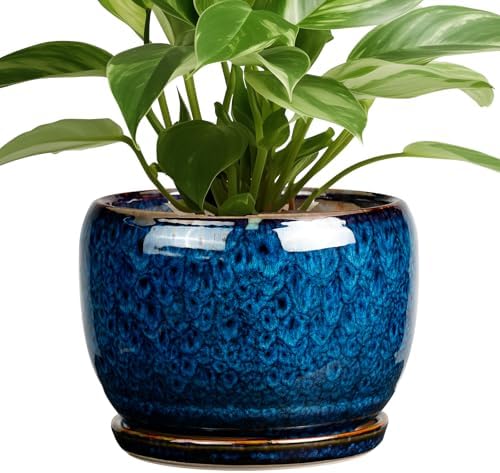

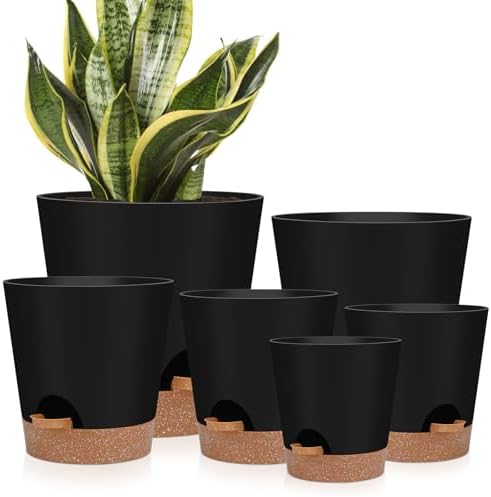
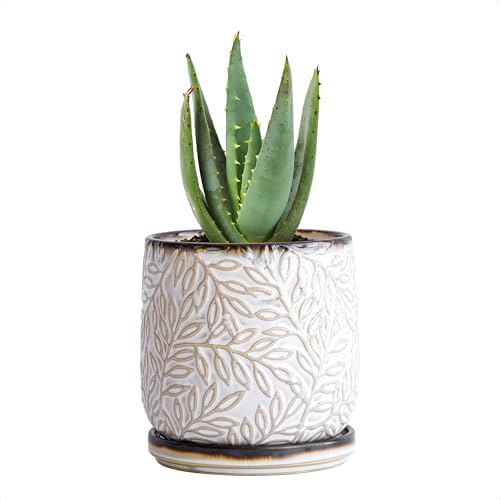

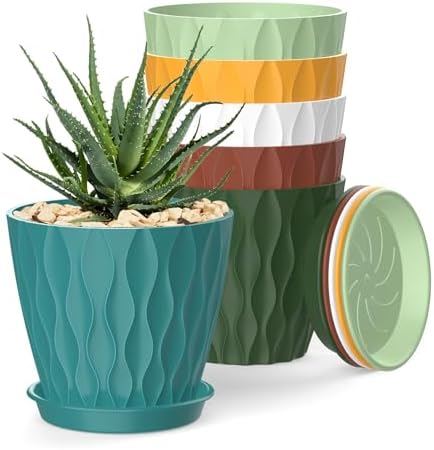
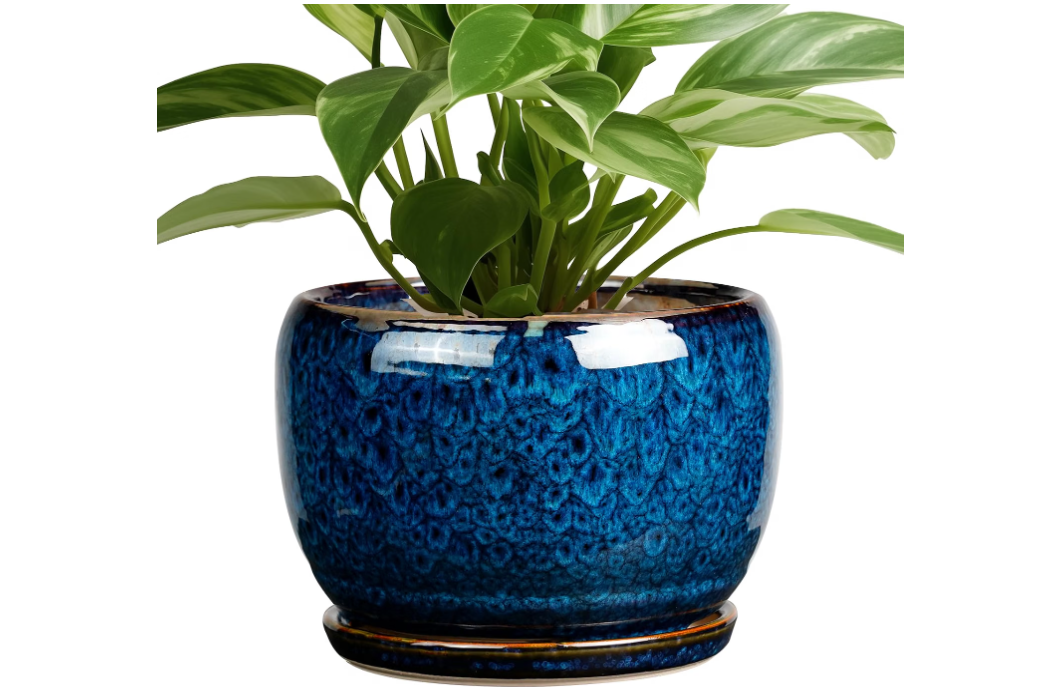
The SQOWL Ceramic Planter is a stylish round pot designed to display plants, flowers, succulents, herbs, and other greenery indoors or outdoors. Its glazed peacock blue ceramic finish adds a decorative touch that can complement modern, traditional, or minimalist spaces. The planter includes a drainage hole and mesh pad to help manage excess water, while the matching ceramic saucer helps protect surfaces from moisture. Its 7.6-inch size makes it suitable for a variety of smaller and medium-sized plants without taking up excessive space.
We recommend this planter for plant lovers who want an attractive ceramic pot with convenient drainage, a matching saucer, and versatile indoor or outdoor use.
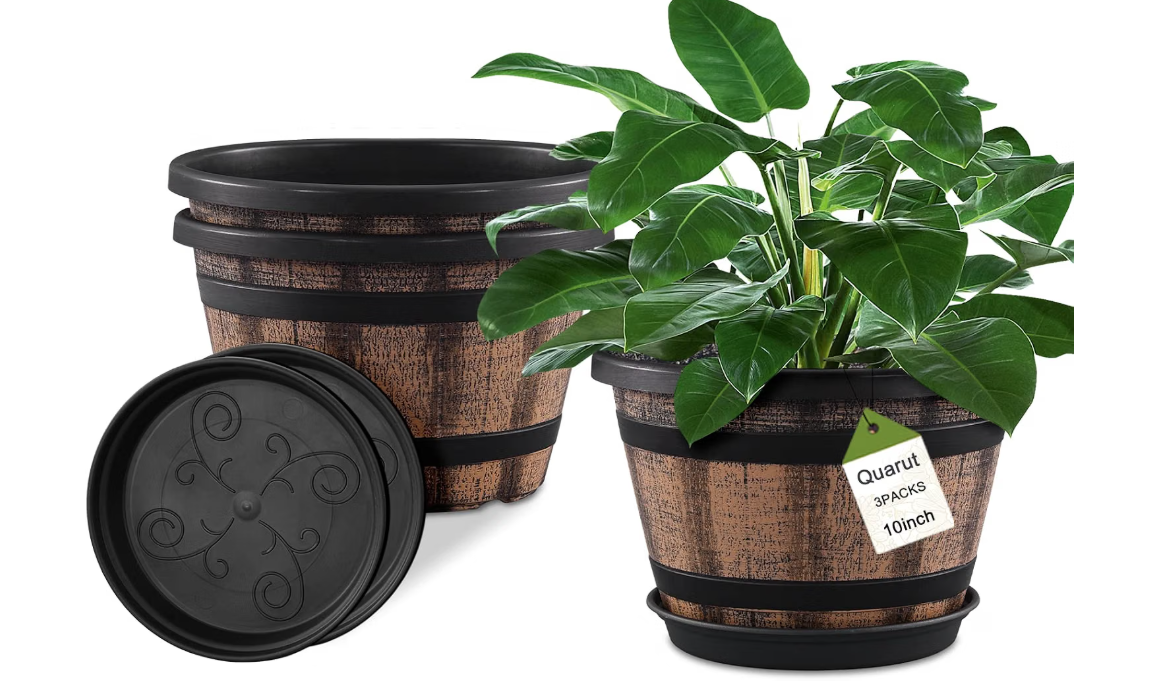
The Quarut 3-Pack 10-Inch Whiskey Barrel Planters are attractive and practical containers designed to display flowers, herbs, succulents, and other plants indoors or outdoors. Their imitation whiskey barrel design adds a rustic decorative touch to patios, gardens, balconies, and home interiors, while the lightweight plastic construction makes them easier to move than traditional heavy planters. Each planter includes drainage holes and a saucer to help manage excess water and protect surfaces. The three-piece set also provides flexibility for arranging multiple plants around your space.
We recommend these planters for homeowners and plant lovers who want lightweight, weather-resistant containers with a decorative barrel appearance, convenient drainage, and versatile indoor or outdoor use.
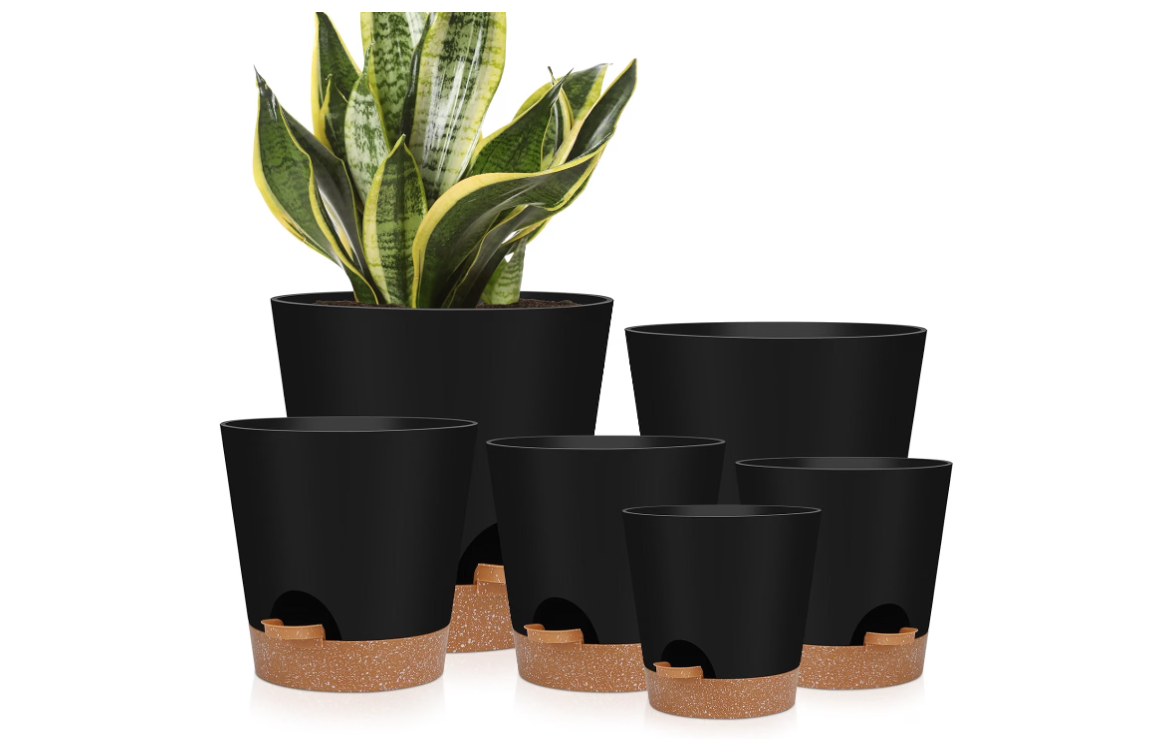
The YNNICO Indoor Self-Watering Planters are a versatile six-piece set designed to provide convenient containers for herbs, flowers, succulents, and small to medium houseplants. The different pot sizes make it easy to choose the right container for various plants or create a coordinated display. Their recyclable polypropylene plastic construction keeps the planters lightweight and easy to move, while multiple drainage holes and included saucers help manage excess water. The self-watering design adds convenience by helping provide plants with a more consistent water supply between regular watering sessions.
We recommend these planters for plant lovers, beginners, and homeowners who want lightweight, versatile pots with convenient self-watering features for indoor plant organization.
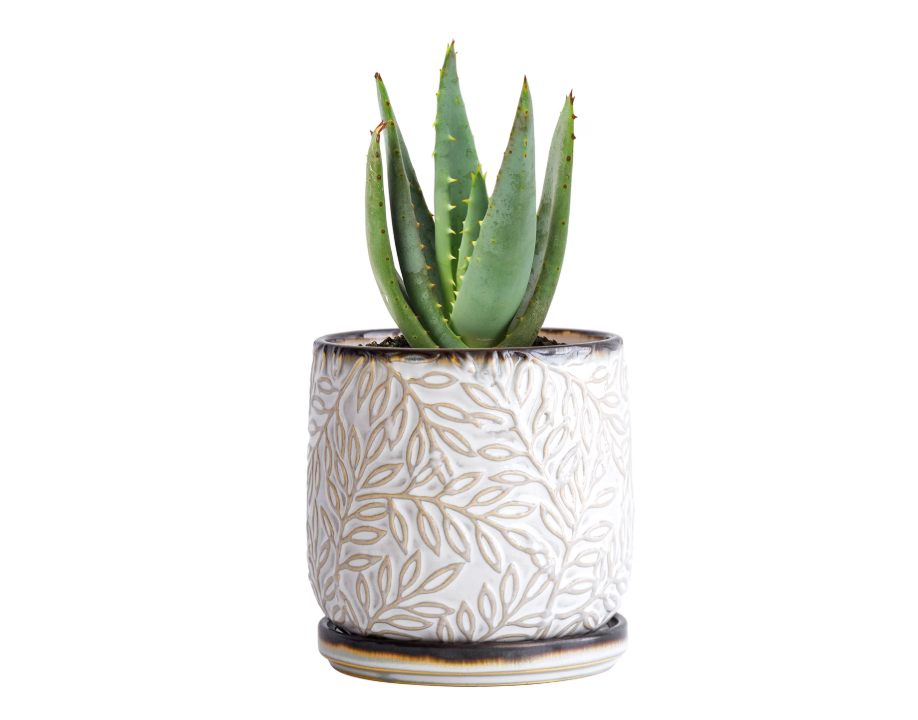
The D’vine Dev 4-Inch Embossed Leaves Planter is a charming decorative pot designed for succulents, herbs, small houseplants, and other compact greenery. Its round ceramic construction provides a sturdy feel, while the smoked white finish and embossed leaf pattern add an elegant decorative touch to desks, shelves, windowsills, and other indoor spaces. The built-in drainage hole helps manage excess water, while the matching saucer helps protect surfaces from moisture. Its compact 4-inch size makes it suitable for smaller plants without taking up much space.
We recommend this planter for plant lovers who want a stylish ceramic pot with convenient drainage and a compact design for displaying small indoor plants.
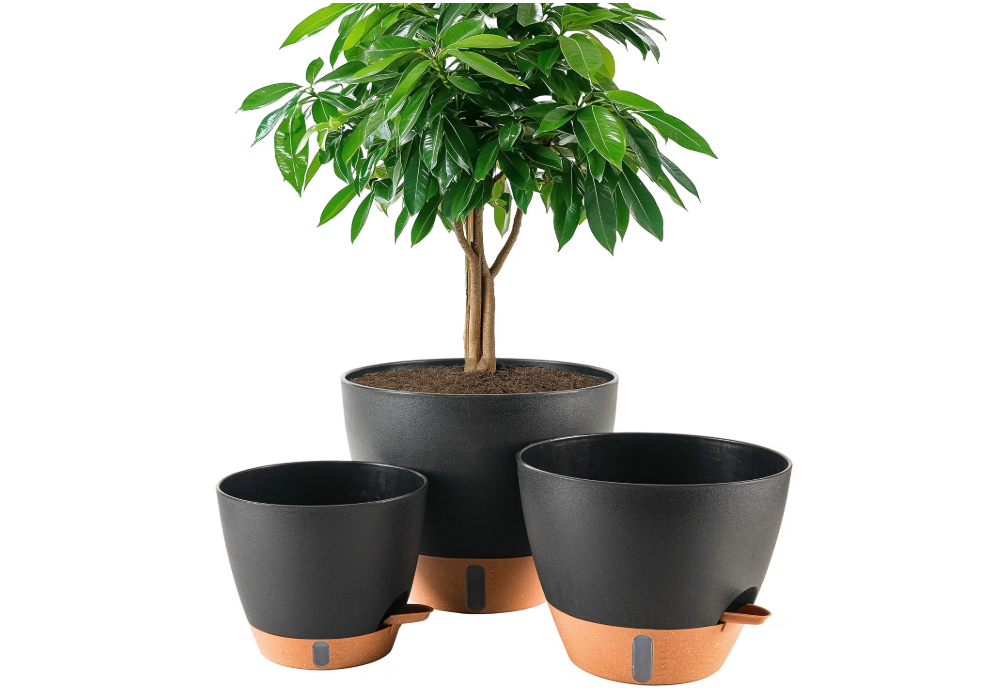
The Fielda 8/10/12-Inch Self-Watering Planters are a practical three-piece set designed to provide convenient growing containers for herbs, succulents, flowers, tropical plants, and other houseplants. The different sizes make it easy to accommodate plants at various growth stages, while the self-watering system uses an absorbent cotton wick to help provide a more consistent water supply. A deep water reservoir and water-level indicator make monitoring easier, while drainage holes and detachable trays help manage excess moisture. The lightweight plastic construction also makes the planters easy to move and suitable for indoor or outdoor use.
We recommend these planters for plant lovers who want versatile sizes, convenient self-watering features, and low-maintenance plant care.
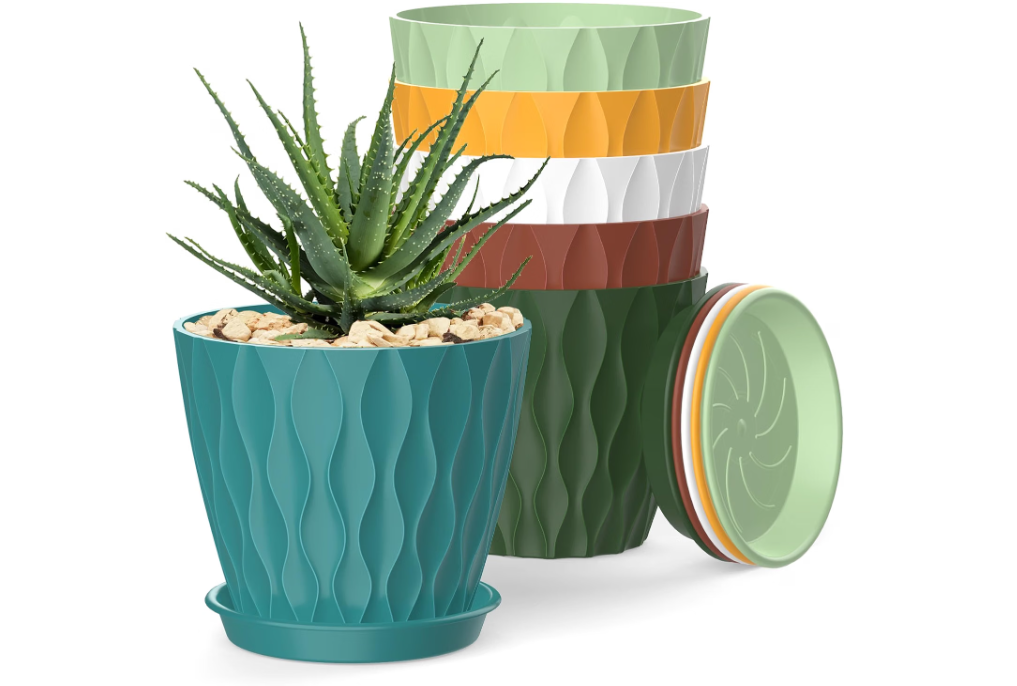
The SQKH 4-Inch Plant Pots are a colorful and practical six-piece set designed for displaying orchids, violets, succulents, herbs, cacti, and other small plants. Their thick polypropylene plastic construction keeps them lightweight and easy to move, while the striped matte finish adds a decorative touch to indoor or outdoor spaces. Each pot features 48 drainage holes to help prevent excess water buildup and promote healthier plant growth, while the matching drainage trays help protect surfaces from moisture. The compact 4-inch size works well for smaller plants and windowsills.
We recommend these pots for plant lovers who want attractive, lightweight containers with excellent drainage and versatile indoor or outdoor use.
Planters Buying Guide
Choosing the right planter can help plants grow well while also adding style to your home, balcony, patio, garden, or office. Planters come in different sizes, materials, shapes, and designs, so it is important to consider your plant’s needs as well as your available space. Here are the main factors to consider before buying.
1. Planter Size
Choose a planter that provides enough room for the plant’s roots to grow. A pot that is too small can restrict root development, while an excessively large container can hold more moisture than needed. Consider the current plant size and its expected growth.
2. Material
Planters are commonly made from plastic, ceramic, terracotta, wood, metal, concrete, resin, and stone. Plastic is lightweight and easy to move, ceramic offers a decorative appearance, while terracotta is known for its porous structure. Choose a material based on durability, weight, appearance, and intended location.
3. Drainage
Proper drainage is essential for many plants because excess water can lead to root problems. Look for planters with drainage holes, preferably with a saucer or tray to collect excess water and protect floors and furniture.
4. Self-Watering Features
Self-watering planters include reservoirs or wicking systems that help provide moisture to plants between regular watering sessions. They can be useful for busy plant owners, but the water reservoir still needs to be monitored and cleaned periodically.
5. Indoor or Outdoor Use
Consider where you plan to place the planter. Indoor planters should fit your room and protect surrounding surfaces, while outdoor planters should be able to withstand sunlight, rain, wind, and temperature changes.
6. Plant Type
Different plants have different requirements. Succulents and cacti often prefer excellent drainage, while herbs, flowers, tropical plants, and other houseplants may require different soil and moisture conditions. Choose a planter that suits the plant you intend to grow.
7. Shape
Common planter shapes include round, square, rectangular, cylindrical, and tapered designs. Round pots are versatile, while rectangular planters can work well for windowsills, balconies, and grouped plant displays.
8. Weight
Consider the planter’s weight before buying, especially if you frequently move plants. Lightweight plastic or resin planters are easier to reposition, while ceramic, stone, and concrete models can provide greater stability but are harder to move.
9. Durability
Choose a planter built to handle its intended environment. Outdoor planters should resist moisture, UV exposure, and temperature changes, while indoor planters should be sturdy enough to safely support the plant and soil.
10. Weather Resistance
For outdoor use, check whether the planter is weather resistant. Materials and finishes that tolerate rain, sunlight, and changing temperatures can help the planter maintain its appearance and structural integrity over time.
11. Saucer or Tray
A matching saucer can catch excess water and help prevent staining or moisture damage to floors, decks, and furniture. Some planters include saucers, while others require them to be purchased separately.
12. Drainage Hole Design
Not all drainage holes are the same. Consider the number and size of holes as well as whether the planter includes a mesh pad, removable plug, or other system to improve drainage while helping prevent soil from escaping.
13. Design and Appearance
Planters can also serve as decorative pieces. Consider the color, finish, texture, and overall style when choosing a model. Neutral colors can blend with existing décor, while colorful or patterned planters can create an eye-catching accent.
14. Placement and Available Space
Measure the area where you plan to place the planter before purchasing. Check the planter’s width, height, and depth to ensure it fits comfortably on a tabletop, windowsill, shelf, balcony, patio, or garden area.
15. Portability
If you expect to move plants regularly, choose a manageable planter size and weight. Handles, lightweight construction, or built-in wheels can make larger planters easier to reposition.
16. Stability
Tall or lightweight planters can be more vulnerable to tipping, particularly outdoors. A wider base, heavier construction, or stable design can help keep the planter secure and reduce the risk of accidental tipping.
17. Root Space and Depth
Some plants need more vertical root space, while others have shallow root systems. Check the recommended pot depth for your plant and choose a planter that provides appropriate room for healthy root growth.
18. Number of Planters
Planters are sold individually or in sets. A multi-pack can be useful when creating a coordinated display or repotting several plants at once. Compare the sizes and styles included to make sure they fit your needs.
19. Ease of Cleaning
Smooth surfaces are generally easier to wipe clean, while textured materials may collect more dirt. Consider how easily the planter can be washed, especially when it will be used outdoors or for plants that require frequent watering.
20. Price and Overall Value
Planters are available across a wide range of prices. Compare material quality, size, drainage, durability, included accessories, and special features rather than focusing only on cost. A well-made planter can provide better long-term value when it suits your plant and environment.
Bottom Line
The best planter should provide enough room for healthy root growth, proper drainage, suitable durability, and a design that works with your space. Consider the plant type, planter material, size, drainage system, weight, weather resistance, and maintenance requirements before making a purchase. For small indoor plants, compact ceramic or plastic pots can work well, while larger outdoor plants may benefit from durable and weather-resistant containers. Choosing the right planter can support healthier plants while adding attractive greenery to your home or outdoor space.
Frequently Asked Questions
A planter is a container used to grow and display plants, flowers, herbs, succulents, vegetables, and other greenery. Planters are available in different sizes, materials, shapes, and designs for indoor and outdoor use.
Choose a planter that provides enough room for the plant’s current root system and expected growth. Avoid containers that are too small or excessively large for the plant.
Most plants benefit from proper drainage because excess water can damage roots. A planter with drainage holes allows surplus water to escape and can help prevent water buildup.
The best material depends on your needs. Plastic and resin are lightweight, ceramic is decorative, terracotta is porous, and metal or concrete can provide sturdy construction. Consider weight, durability, appearance, and placement.
Yes. Ceramic planters can be attractive choices for indoor plants, especially succulents, herbs, and small houseplants. Choose a model with drainage when appropriate for the plant.
Conclusion
Planters are a practical and attractive way to grow and display plants in homes, offices, balconies, patios, and gardens. With options ranging from lightweight plastic pots to decorative ceramic containers and self-watering planters, there is a suitable choice for almost every plant and space.
When choosing a planter, consider the plant’s size, root requirements, drainage needs, material, weight, durability, and intended location. Features such as drainage holes, saucers, self-watering systems, and weather-resistant construction can add extra convenience and functionality.
Ultimately, the best planter is one that supports healthy plant growth while matching your space and style. Choosing the right size, material, and drainage system can help your plants thrive while creating a more attractive and organized indoor or outdoor environment.