
Introduction
Stud finders are useful tools for locating wooden or metal studs behind drywall, helping you choose safer and more secure places to mount shelves, TVs, cabinets, pictures, and other items. Instead of relying only on tapping or guessing, a stud finder can help identify changes in wall density or detect materials hidden beneath the surface.
Modern stud finders range from simple magnetic models to advanced electronic devices with digital displays, deep scanning, and live-wire detection. When choosing one, consider the scanning depth, detection accuracy, display, calibration method, detection modes, and ease of use. Some models can identify wood and metal studs, while others also provide warnings for electrical wiring.
In this guide, we’ll explore some of the best stud finders for home improvement, DIY projects, and mounting tasks. Whether you’re hanging a TV, installing shelves, or completing a renovation project, the right stud finder can help you locate wall supports more confidently and make drilling and mounting tasks easier and more precise.
How We Choose Products
- We evaluate products using relevant specifications, features, design, materials, functionality, ease of use, intended use and overall value.
- Our recommendations are based on information available from manufacturers, retailers and other publicly available sources, along with our own editorial analysis.
- We aim to present product information accurately and distinguish manufacturer or retailer claims from our independent assessment.
- We do not claim to have personally tested a product unless we have hands-on experience with it. When we have not personally tested a product, our evaluation is based on available product information and careful editorial research.
Top Stud Finders
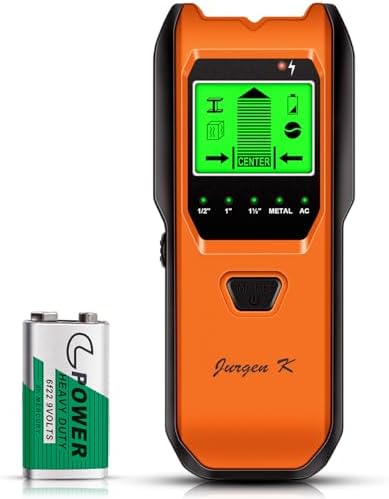

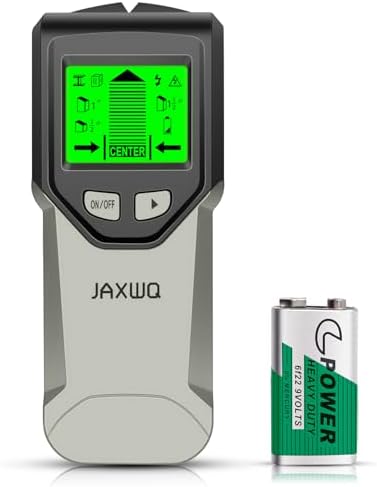


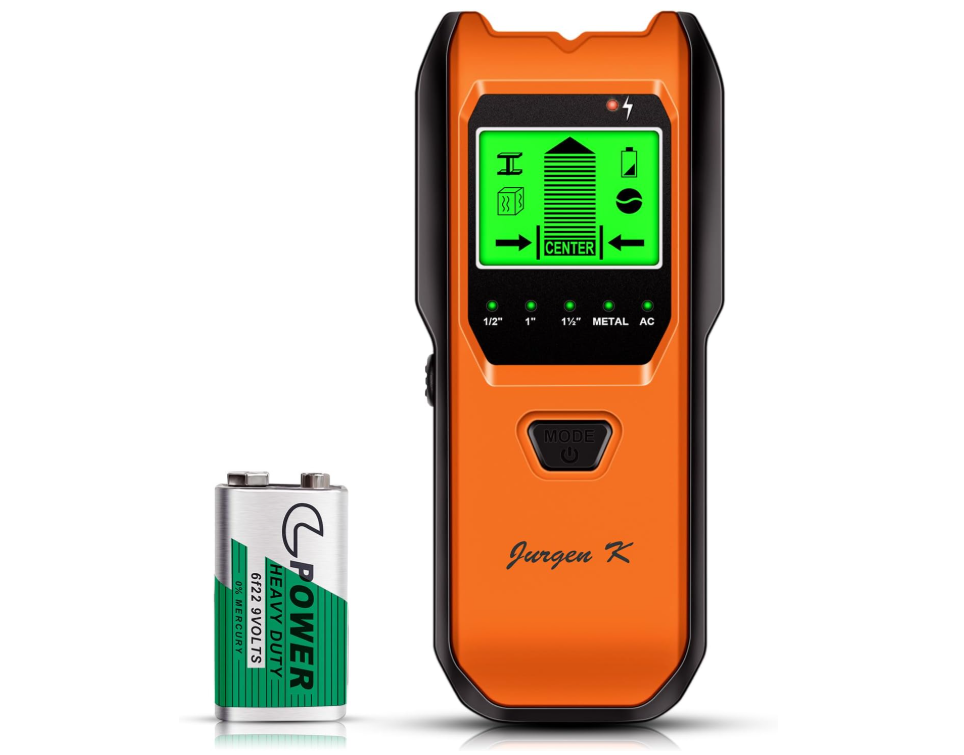
The Jurgen K 5-in-1 Stud Finder Wall Scanner is a practical tool for home improvement, renovations, and DIY installation projects. It can detect wood studs, metal, pipes, and live AC wires behind walls, floors, and ceilings, helping identify hidden obstacles before drilling. Multiple scanning modes provide flexibility for different materials and depths, while the HD LCD display clearly indicates detected targets. An audio alarm provides an additional alert during scanning, and auto-calibration helps improve ease of use.
We recommend this wall scanner for homeowners seeking a versatile and convenient tool for safely locating studs, metal, pipes, and electrical wires during home projects.
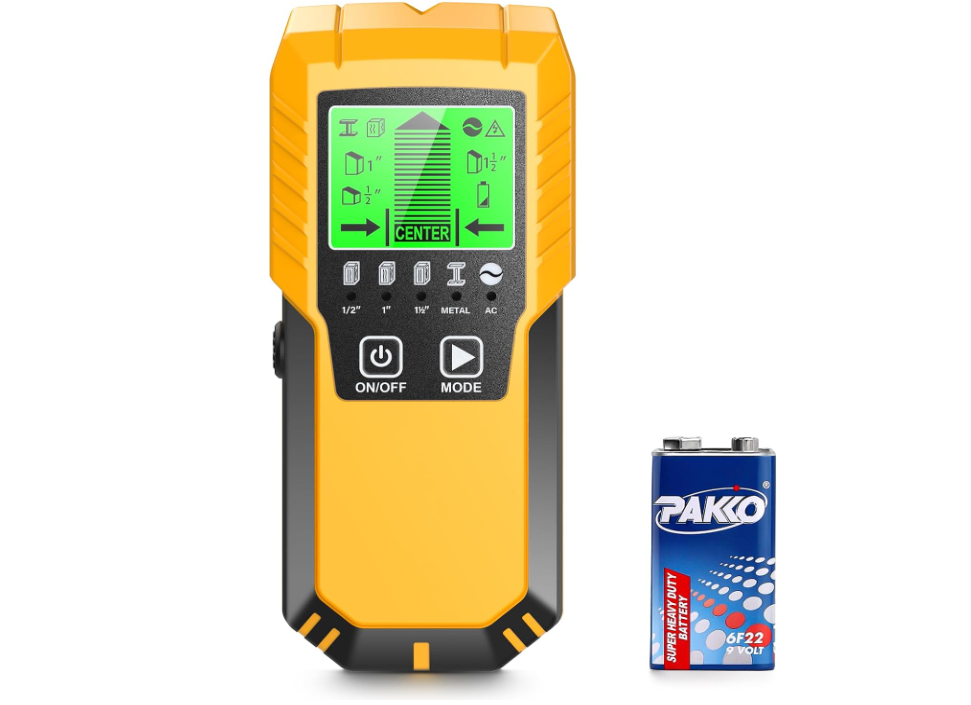
The Povlen 5-in-1 Stud Finder Wall Scanner is a practical tool for home improvement, DIY projects, and installation work. It detects wood studs, metal, pipes, joists, and live AC wires behind drywall, helping identify potential obstacles before drilling. Three stud-detection modes can scan up to 1.5 inches deep, while metal detection reaches up to 2.36 inches. A backlit LCD displays detection results, and audio alerts provide additional guidance during scanning. The battery-powered design is compact and easy to carry.
We recommend this wall scanner for homeowners seeking a versatile and convenient tool for locating studs, pipes, metal, and electrical wiring during home projects.
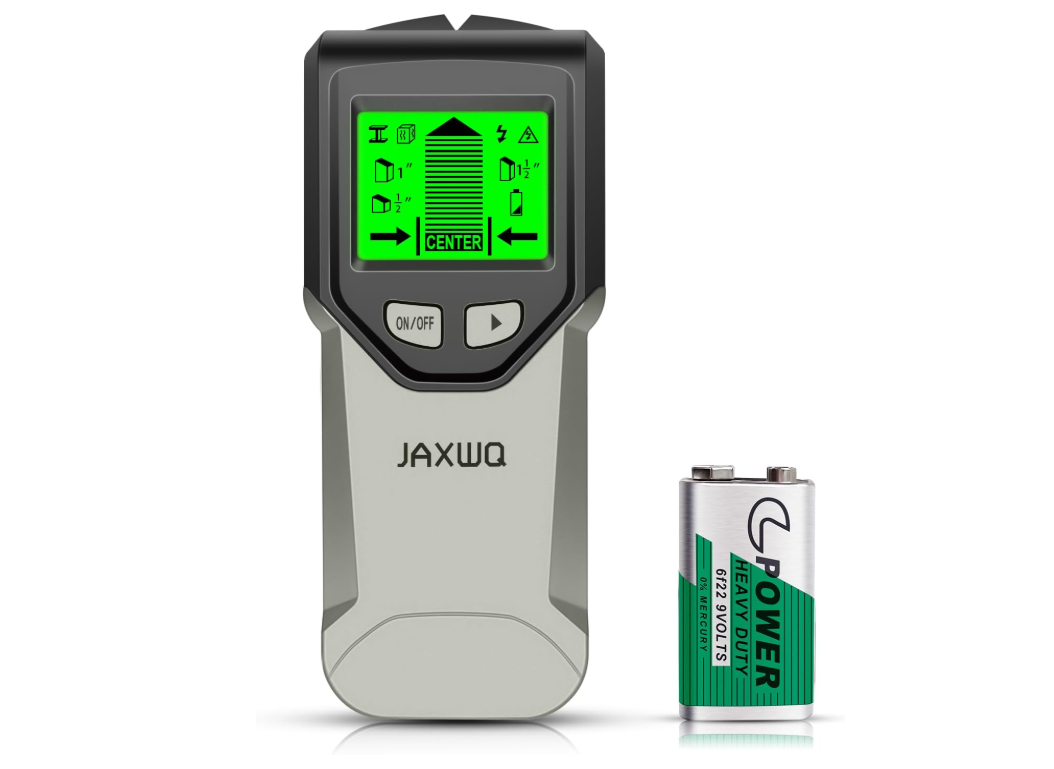
The JAXWQ 5-in-1 Stud Finder Wall Scanner is a practical tool for home improvement, mounting, and DIY projects. Its intelligent sensor system is designed to locate the center and edges of wood studs, metal, joists, pipes, and live AC wires behind walls, floors, and ceilings. The HD LCD display provides clear detection information, while audible alerts offer additional guidance during scanning. Its compact design makes it easy to carry and use when installing shelves, cabinets, pictures, TVs, and fixtures.
We recommend this wall scanner for homeowners and DIY enthusiasts seeking an affordable and versatile tool for identifying hidden studs, pipes, metal, and electrical wiring before drilling.
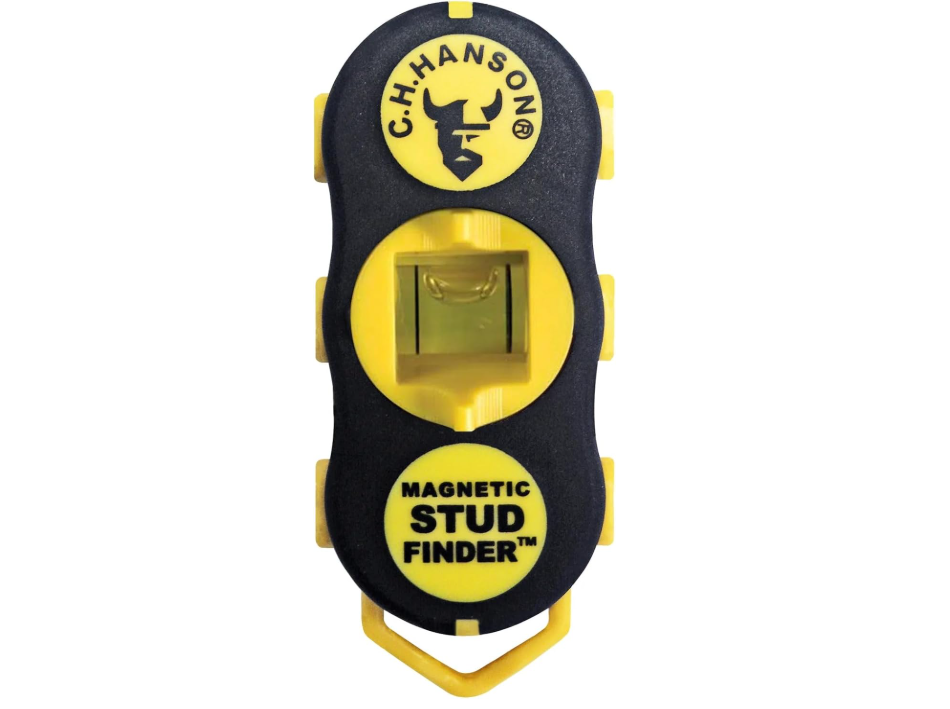
The CH Hanson 03040 Magnetic Stud Finder is a simple and reliable tool for home improvement, remodeling, and DIY projects. Its powerful rare-earth magnets help locate nails, screws, and metal studs behind drywall and other wall coverings without requiring batteries or electronic calibration. The built-in rotating level allows both horizontal and vertical alignment, making it useful when mounting shelves, pictures, cabinets, and TVs. Its compact, lightweight design fits easily into a pocket or toolbox, while the soft grip provides comfortable handling.
We recommend this stud finder for homeowners seeking an affordable, battery-free, and easy-to-use tool for accurately locating studs and leveling projects.
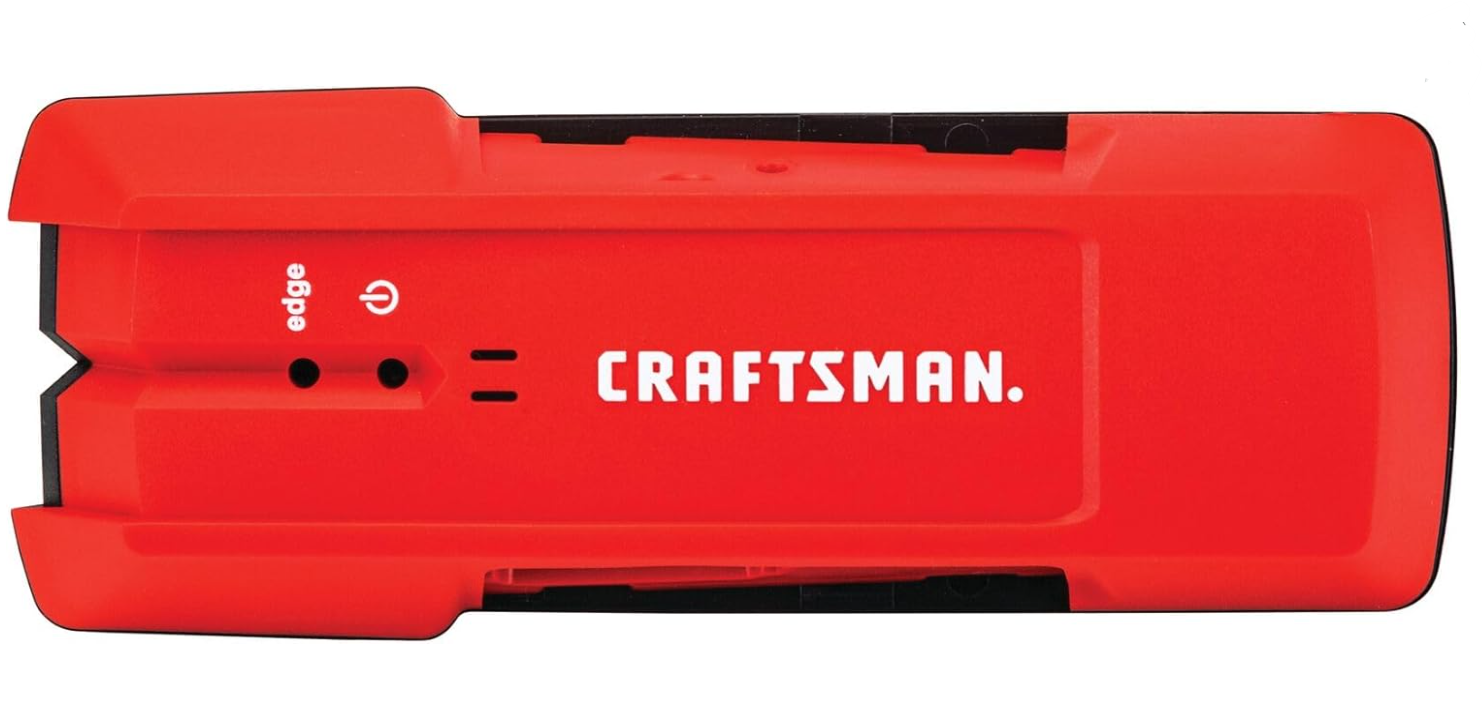
The CRAFTSMAN CMHT77633 Stud Finder is a compact and practical tool for everyday home improvement and DIY projects. It detects the edges of wood and metal studs through drywall up to 3/4 inch deep, making it useful for mounting shelves, cabinets, pictures, and other fixtures. The sensor also detects live AC wires, while LED indicators and an audible alert help identify detected areas. Its shock-resistant and water-resistant body is built for dependable everyday use, and the 9V battery-powered design requires no complicated setup.
We recommend this stud finder for homeowners seeking a simple, affordable, and convenient tool for locating studs and electrical wiring before drilling.
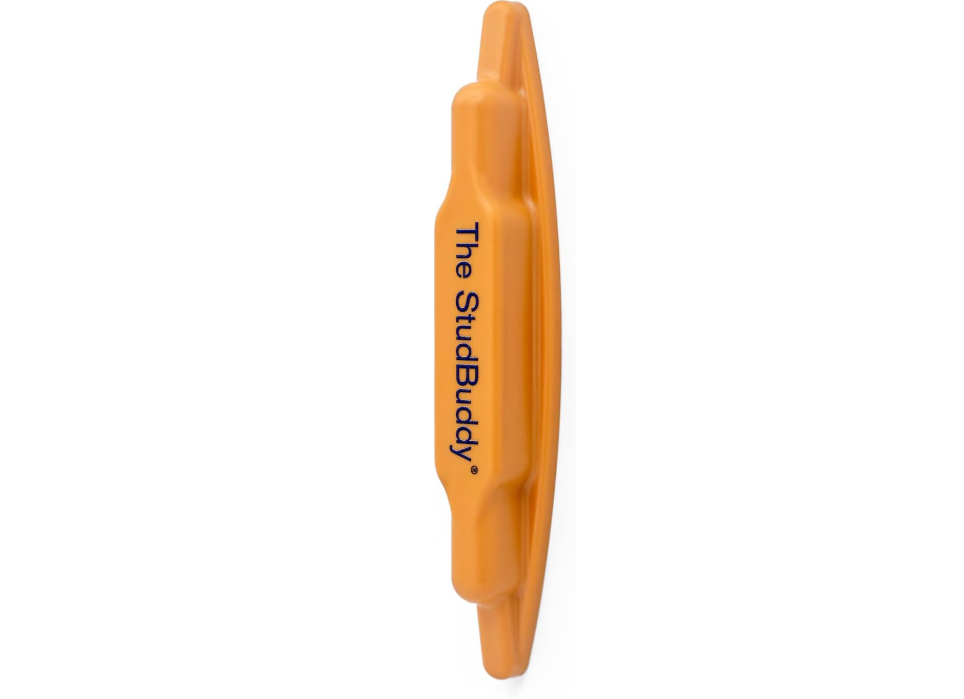
The StudBuddy Magnetic Stud Finder is a simple and convenient tool for locating wall studs during everyday home improvement and DIY projects. Its strong neodymium magnets detect the metal fasteners used to secure drywall to wood or metal studs, eliminating the need for batteries, electronics, or calibration. The compact design is easy to hold and carry, making it useful for hanging pictures, shelves, mirrors, cabinets, and other wall-mounted items.
We recommend the StudBuddy for homeowners who want an affordable, lightweight, battery-free, and easy-to-use solution for quickly locating studs before drilling or installing fixtures around the home.
Stud Finders Buying Guide
A stud finder can make wall-mounting projects easier by helping you locate studs, metal objects, pipes, and electrical wiring behind walls. Before buying one, consider these important factors.
1. Choose the Right Type
Magnetic stud finders use magnets to locate metal fasteners, while electronic models detect changes in wall density. Choose the type based on your project and the materials behind your walls.
2. Check Detection Depth
Electronic stud finders offer different scanning depths. Check how deeply the device can detect wood, metal, and electrical wiring to make sure it meets your needs.
3. Consider What It Detects
Basic models may detect only studs, while advanced scanners can identify wood, metal, pipes, and live AC wires. A multi-function model can be more useful for renovation projects.
4. Look for Center Detection
Some electronic models detect the edges of a stud, while others can identify its center. Center-finding capability can make drilling and mounting more precise.
5. Consider Live-Wire Detection
If you plan to drill into walls, a model with AC-wire detection can provide an additional warning about electrical wiring. Always follow the manufacturer’s instructions and use appropriate electrical safety practices.
6. Check the Display
An LCD screen can provide visual information about detected materials and scanning depth. Simpler models may use LED indicators or audible alerts instead.
7. Consider Audible Alerts
A beeping alert can make it easier to recognize when a stud or other material has been detected without constantly looking at the screen.
8. Check Calibration
Some electronic stud finders require manual calibration, while others calibrate automatically. Automatic calibration can make setup easier for beginners.
9. Consider Magnetic Models
Magnetic stud finders require no batteries and generally need no calibration. They are simple and reliable for locating the metal screws or nails used to attach drywall to studs.
10. Check Surface Compatibility
Make sure the scanner works with your wall surface. Some models are designed for drywall, while others can work through wallpaper, fabric, wood, or different construction materials.
11. Consider Accuracy
A quality stud finder should provide consistent readings when used correctly. Follow the manufacturer’s scanning instructions and make multiple passes when necessary to confirm a stud location.
12. Look for a Built-In Level
Some magnetic and electronic stud finders include a bubble or rotating level. This can be useful when positioning shelves, pictures, cabinets, and other wall-mounted items.
13. Consider Size and Grip
A lightweight ergonomic design is easier to handle during longer projects. A comfortable grip can also make it easier to maintain consistent contact with the wall.
14. Check Battery Requirements
Electronic models commonly use replaceable batteries. Check the battery type and whether batteries are included. Battery-free magnetic models can be more convenient for occasional use.
15. Compare Price and Value
Don’t choose a stud finder based only on the number of features or the lowest price. Compare detection depth, material detection, accuracy, display, calibration, battery requirements, surface compatibility, and additional features.
Bottom Line
The best stud finder depends on your projects and the type of wall you are scanning. A simple magnetic model can be ideal for basic mounting tasks, while an electronic multi-function scanner is better for projects requiring deeper detection and warnings for metal, pipes, or electrical wiring. Prioritize accuracy, suitable detection depth, ease of use, and the features you actually need.
Frequently Asked Questions
A stud finder helps locate studs and other objects behind walls. It can be useful when mounting TVs, shelves, cabinets, pictures, and other items securely.
Magnetic models are simple, affordable, and require no batteries, while electronic models can detect wood and metal studs and may offer additional features such as wire detection.
Detection depth varies by model and material. Check the manufacturer’s specifications for the maximum depth for wood studs, metal, pipes, and electrical wires.
Can stud finders detect electrical wires?
Some electronic models include live AC-wire detection. However, they should not replace proper electrical safety procedures, and you should always follow the manufacturer’s instructions.
Some multi-function electronic wall scanners can detect metal or other hidden objects, including certain pipes. Detection capability depends on the model and pipe material.
Conclusion
A reliable stud finder can make DIY and home improvement projects easier by helping you locate wall studs and identify hidden materials before drilling. Whether you’re mounting a TV, installing shelves, hanging cabinets, or positioning wall décor, the right tool can improve accuracy and confidence.
When choosing a stud finder, consider detection depth, accuracy, material detection, center or edge scanning, live-wire detection, calibration, display, battery requirements, and surface compatibility. Magnetic models are simple and battery-free, while electronic scanners offer more advanced detection capabilities.
Ultimately, the best stud finder depends on your project requirements and wall type. By choosing a model with the features you actually need and following its instructions carefully, you can make wall-mounting tasks more efficient and reduce the guesswork involved in locating hidden supports.