
Introduction
Laser levels are useful tools for creating accurate horizontal, vertical, and sometimes cross-line references during home improvement, construction, and DIY projects. Unlike traditional bubble levels, laser levels project visible beams onto walls, floors, or other surfaces, making it easier to align objects over longer distances. They can be especially helpful when installing shelves, cabinets, tiles, light fixtures, doors, and pictures.
Modern laser levels are available in different types, including line lasers, cross-line lasers, dot lasers, and 360-degree models. When choosing one, consider accuracy, working range, self-leveling capability, laser color, visibility, battery life, mounting options, and durability. Some models also include pulse modes for use with detectors in brighter environments.
In this guide, we’ll explore some of the best laser levels for homeowners, DIY enthusiasts, and professionals. Whether you’re completing a simple wall-mounting project or a larger renovation, the right laser level can provide accurate alignment, save time, and make measuring and installation tasks easier and more efficient.
How We Choose Products
- We evaluate products using relevant specifications, features, design, materials, functionality, ease of use, intended use and overall value.
- Our recommendations are based on information available from manufacturers, retailers and other publicly available sources, along with our own editorial analysis.
- We aim to present product information accurately and distinguish manufacturer or retailer claims from our independent assessment.
- We do not claim to have personally tested a product unless we have hands-on experience with it. When we have not personally tested a product, our evaluation is based on available product information and careful editorial research.
Top Laser Levels
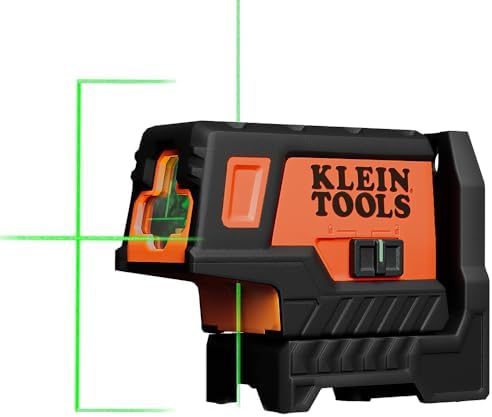



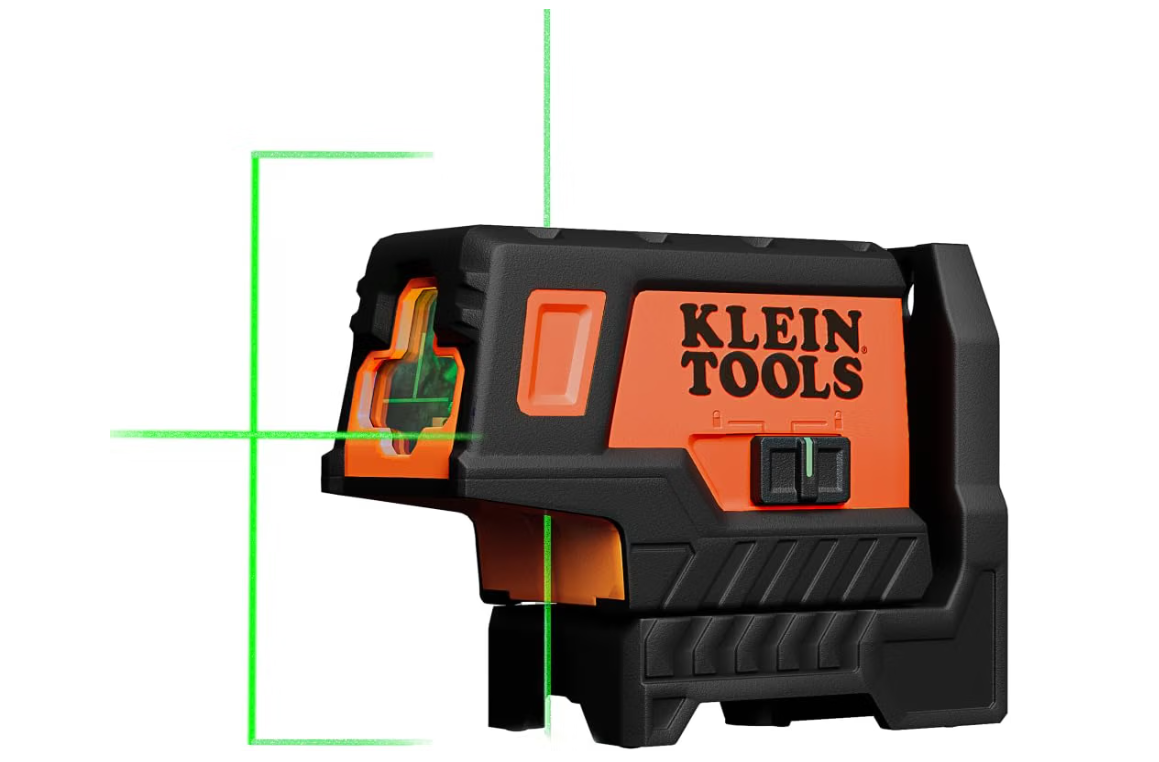
The 93MCLPG Compact Self-Leveling Laser Level is a practical tool for home improvement, decorating, and DIY projects. Its self-leveling function helps create accurate horizontal and vertical reference lines for hanging pictures, installing shelves, aligning cabinets, and other household tasks. The compact design makes it easy to carry and position, while the magnetic base provides convenient attachment to compatible metal surfaces. Its visibility range and included accessories add flexibility for different projects around the home.
We recommend this laser level for homeowners and DIY enthusiasts seeking a convenient, accurate, and easy-to-use tool for alignment, leveling, and installation work.
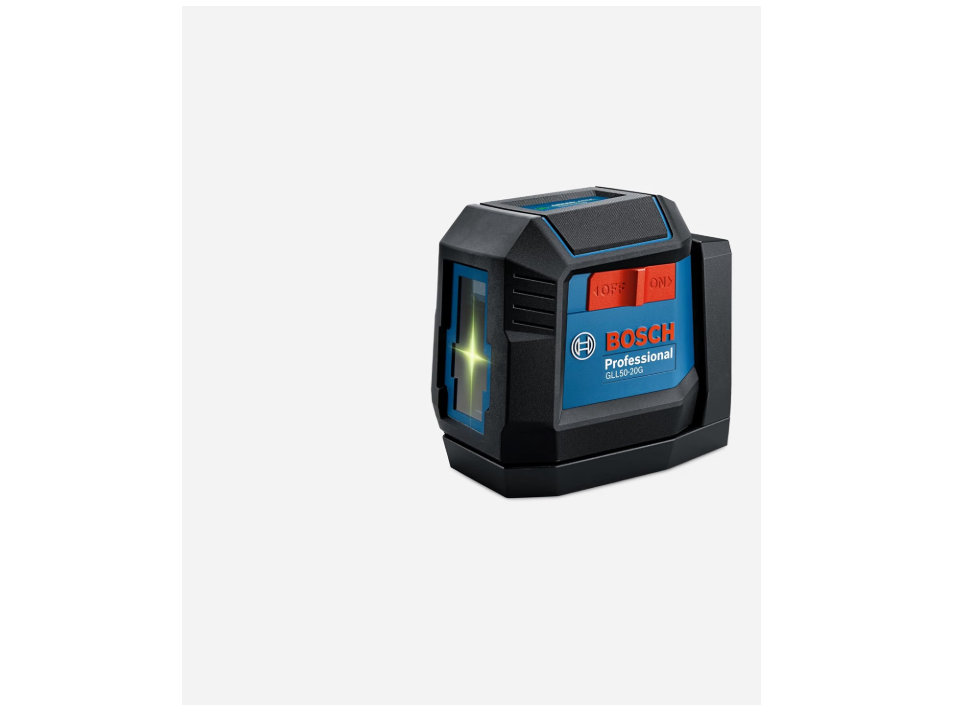
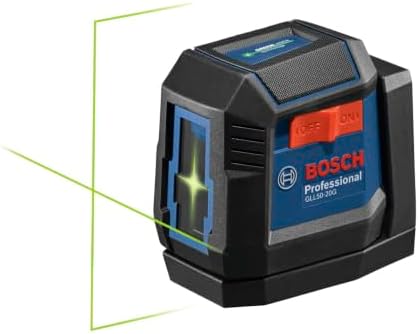
The Bosch GLL50-20G Green Beam Cross-Line Laser Level is a practical tool for home improvement, decorating, and DIY projects. Its bright green horizontal and vertical laser lines are designed for better visibility, making it useful for aligning cabinets, shelves, pictures, tiles, and other fixtures. The self-leveling system automatically corrects the beam within a specified range, while the compact design makes the tool easy to carry and position. A flexible mounting device provides convenient placement on different surfaces.
We recommend this laser level for homeowners and DIY enthusiasts seeking bright, accurate, and easy-to-use alignment assistance for everyday installation and renovation projects.
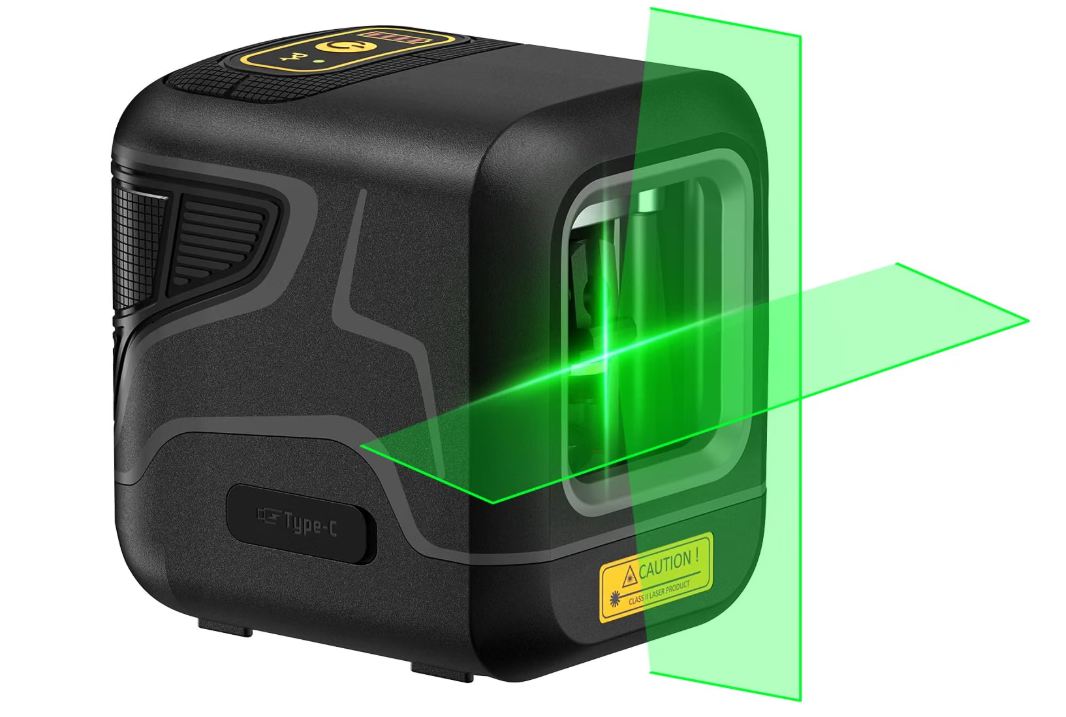
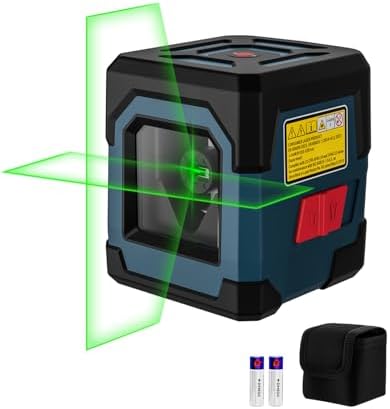
The Fanttik D2 Pocket Green Laser Level is a compact and convenient tool for home improvement and DIY projects. Its bright green cross-line laser provides visibility up to 100 feet, while pulse mode can extend the range to 164 feet with a compatible receiver. The self-leveling system automatically levels on surfaces tilted up to 4°, and manual mode allows angled lines when needed. Its rechargeable 2200mAh battery provides up to 10 hours of operation, while the magnetic bracket and compact 0.56-pound design make positioning and carrying easy.
We recommend this laser level for homeowners seeking accurate, portable, rechargeable, and easy-to-use alignment for decorating and installation projects.
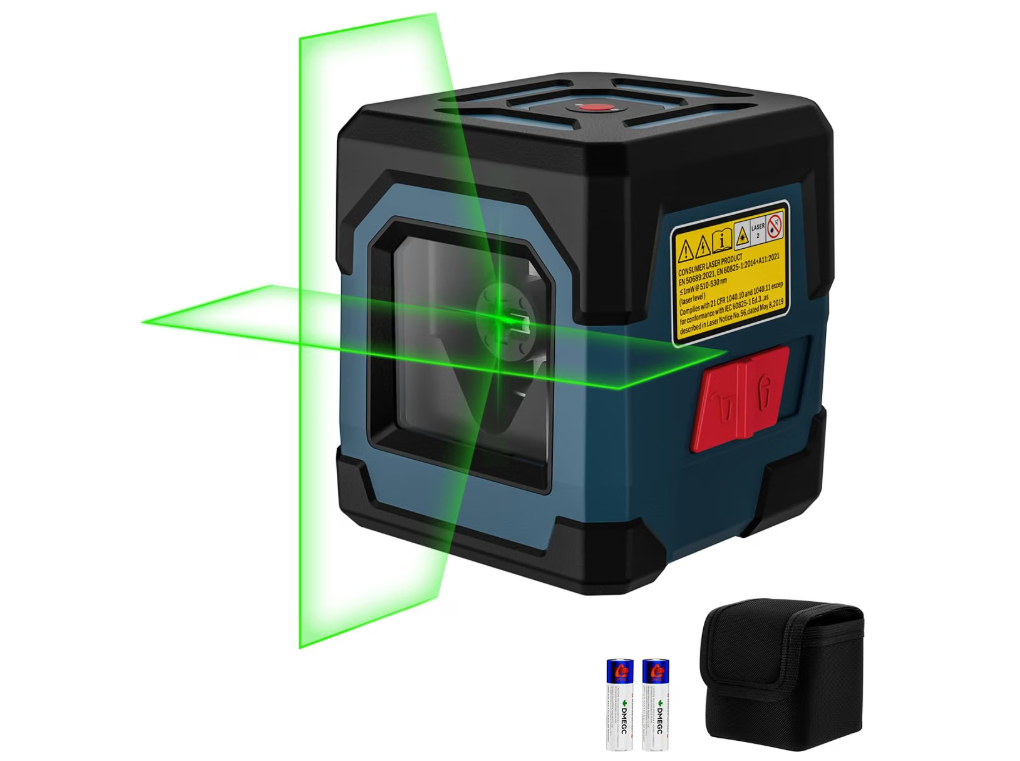
The RockSeed Self-Leveling Laser Level is a practical tool for home improvement, decorating, and DIY installation projects. Its horizontal and vertical laser lines provide useful reference points for hanging pictures, installing shelves, aligning cabinets, mounting fixtures, and other household tasks. The self-leveling function automatically corrects the laser when the tool is placed slightly off level, while manual mode allows angled lines for more specialized projects. Its rotatable design and compact construction make positioning convenient in different areas.
We recommend this laser level for homeowners and DIY enthusiasts seeking an affordable, versatile, and easy-to-use tool for accurate alignment and leveling around the home.
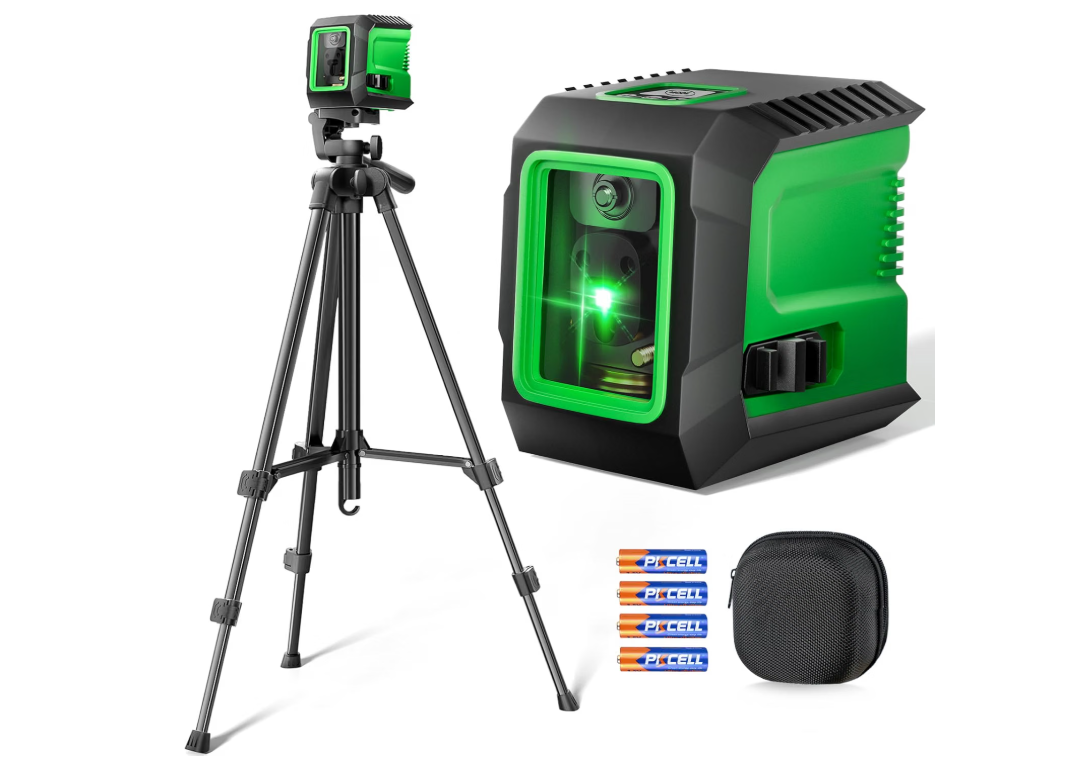
The Lusweimi Self-Leveling Laser Level is a practical tool for home renovation, decorating, and DIY projects. Its bright green horizontal and vertical lines provide clear reference points for hanging pictures, installing shelves, aligning cabinets, laying flooring, and other tasks. The 360-degree self-leveling design helps maintain accurate lines, while its compact construction makes positioning and carrying convenient. The kit includes a 50-inch adjustable tripod, four AA batteries, and a carrying pouch for easier setup and storage.
We recommend this laser level for homeowners and DIY enthusiasts seeking bright visibility, reliable self-leveling performance, and convenient accessories for everyday home improvement projects.
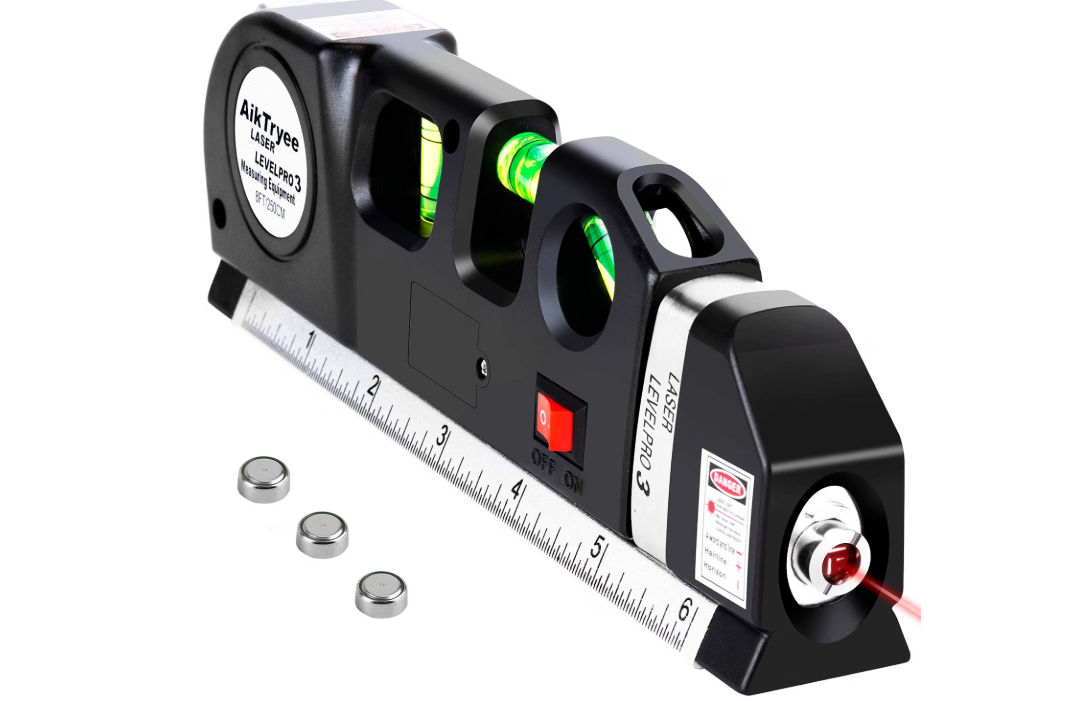
The AikTryee Multipurpose Laser Level is a practical tool for home improvement, decorating, and DIY projects. Its red laser provides horizontal, vertical, and cross-line modes, making it useful for hanging pictures, installing cabinets, aligning shelves, laying tiles, and other projects requiring straight reference lines. Three built-in bubble levels at 0°, 45°, and 90° provide additional alignment guidance, while the included 8-foot measuring tape offers both metric and imperial measurements. Its lightweight ABS construction makes it easy to carry and operate.
We recommend this laser level for homeowners seeking an affordable, compact, and versatile tool for accurate measuring, leveling, and alignment around the home.
Laser Levels Buying Guide
A laser level can make DIY, renovation, and construction projects easier by projecting precise lines or points for accurate alignment. Before buying one, consider these important factors.
1. Choose the Right Laser Type
Common options include cross-line, line, dot, and 360-degree laser levels. Cross-line models are useful for shelves and cabinets, while 360-degree models provide broader coverage for larger projects.
2. Consider Laser Color
Green lasers are generally easier to see in bright conditions than red lasers, while red models are often more affordable. Choose according to your working environment and budget.
3. Check Accuracy
Accuracy is one of the most important features. Look for the manufacturer’s stated accuracy at a specific distance, such as ±1/8 inch at 30 feet.
4. Consider Working Range
Check how far the laser lines remain visible and accurate. A shorter range may be enough for home projects, while larger spaces may require a longer-range model or compatible receiver.
5. Look for Self-Leveling
Self-leveling lasers automatically adjust within a specified range, making setup faster and reducing manual alignment. Check the model’s self-leveling range, such as ±4 degrees.
6. Consider Manual Mode
Manual mode allows you to project lines at angles instead of only level or plumb positions. This can be useful for stairs, slopes, decorative layouts, and specialized installations.
7. Check Mounting Options
Look for magnetic brackets, tripod threads, wall mounts, or other attachment options. Flexible mounting makes it easier to position the laser at the correct height and angle.
8. Consider Battery Life
Battery-powered models should provide enough runtime for your typical projects. Rechargeable models can be convenient, while AA or AAA battery models allow quick battery replacement.
9. Check Durability
For construction and renovation work, look for a durable housing with a suitable dust- and water-resistance rating. An IP-rated design can provide additional protection.
10. Consider Visibility in Bright Areas
Laser lines can be harder to see in direct sunlight or brightly lit rooms. Green lasers, pulse modes, or compatible laser detectors can improve usability in challenging conditions.
11. Look for a Plumb Function
Vertical plumb lines or points are useful for accurately aligning cabinets, doors, partitions, lights, and other vertically mounted items.
12. Consider 360-Degree Coverage
A 360-degree laser can project a continuous reference line around a room, reducing the need to reposition the tool during larger installation or leveling projects.
13. Check Included Accessories
Some kits include tripods, magnetic brackets, carrying cases, batteries, and mounting accessories. A complete package can provide better value and reduce the need for additional purchases.
14. Consider Ease of Use
Choose a model with simple controls, clear indicators, and straightforward setup. This is especially important for DIY users who may not use a laser level regularly.
15. Compare Price and Value
Don’t choose a laser level based only on range or price. Compare accuracy, laser color, self-leveling, working range, mounting options, battery life, durability, accessories, and intended use.
Bottom Line
The best laser level should match your project type, working distance, and environment. For most home users, a self-leveling cross-line laser with good visibility, reliable accuracy, flexible mounting, and simple controls offers an excellent balance of convenience and performance.
Frequently Asked Questions
A laser level projects straight horizontal, vertical, or cross lines to help align and position objects accurately. It is useful for installing shelves, cabinets, tiles, pictures, lighting, and other fixtures.
Green lasers are generally easier to see, especially in brighter conditions, while red lasers are often more affordable and work well for many indoor projects.
A self-leveling laser automatically adjusts the projected lines within a specified leveling range. This makes setup faster and reduces the need for manual leveling.
Accuracy varies by model. Check the manufacturer’s stated tolerance, usually expressed as a measurement at a specific distance, such as ±1/8 inch at 30 feet.
Some laser levels are suitable for outdoor use, but visibility can be reduced in bright sunlight. Models with pulse modes may work with compatible laser detectors for longer-range outdoor projects.
Conclusion
A laser level can make home improvement, renovation, and DIY projects more accurate and efficient by providing clear horizontal and vertical reference lines. Whether you’re hanging shelves, installing cabinets, aligning tiles, mounting pictures, or working on framing projects, the right laser level can reduce guesswork and improve precision.
When choosing a laser level, consider laser color, accuracy, working range, self-leveling capability, battery life, mounting options, visibility, and durability. Green lasers can offer better visibility in many conditions, while rechargeable models can provide convenient operation. Features such as 360-degree projection, magnetic brackets, tripod compatibility, and multiple scanning modes can also improve versatility.
Ultimately, the best laser level depends on your project requirements and budget. By comparing the features that matter most and selecting a model suited to your workspace, you can make alignment tasks easier, faster, and more accurate.