Best Outdoor Heaters | Top Recommendations
Introduction
Outdoor heaters are a practical way to extend the comfort of patios, decks, porches, balconies, garages, and other outdoor living spaces during cooler weather. They can provide targeted warmth for relaxing, dining, entertaining, or spending time outside without needing to move indoors. Available in freestanding, tabletop, wall-mounted, and hanging designs, outdoor heaters can suit different spaces and seating arrangements.
The best outdoor heaters are powered by propane, natural gas, or electricity, with each option offering different advantages in terms of installation, portability, and operating convenience. Common features include adjustable heat settings, infrared heating, electronic ignition, safety shut-off systems, tip-over protection, remote controls, and weather-resistant construction.
When choosing an outdoor heater, consider its heat output, fuel type, coverage area, size, portability, safety features, and weather resistance. It is also important to select a heater that matches your available space and local outdoor-use requirements. In this guide, we’ll explore some of the best outdoor heaters and their key features to help you find the right option for your outdoor space.
How We Choose Products
- We evaluate products using relevant specifications, features, design, materials, functionality, ease of use, intended use and overall value.
- Our recommendations are based on information available from manufacturers, retailers and other publicly available sources, along with our own editorial analysis.
- We aim to present product information accurately and distinguish manufacturer or retailer claims from our independent assessment.
- We do not claim to have personally tested a product unless we have hands-on experience with it. When we have not personally tested a product, our evaluation is based on available product information and careful editorial research.
Top Outdoor Heaters


Comparison
| Image | Type | Fuel / Power | Heat Output | Coverage | Heat Settings | Heating Method | Ignition / Control | Tank / Power | Safety | Construction | Mounting / Design | Portability | Weather Resistance | Dimensions | Best For | Buy |
|---|---|---|---|---|---|---|---|---|---|---|---|---|---|---|---|---|
 |
Commercial & Residential Outdoor Propane Patio Heater | Propane | 46,000 BTU/Hour | Up to 9-Foot Radius | Adjustable | Propane Heating |
Push-Button Piezo Ignition Adjustable Temperature Knob |
Standard 20-lb Propane Tank Enclosed Base |
Tilt Safety Auto Shut-Off Valve |
Aluminum, Plastic & Steel Powder-Coated Finish |
Freestanding Tower / Standing |
Built-In Wheels About 35–37 lb | Outdoor Use | 32.12 × 32.12 × 91.3 in. |
Patios, decks, restaurants, cafés, outdoor dining areas, backyard gatherings & commercial heating | Check On Amazon |
 |
540-Degree Tank Top Radiant Propane Heater | Liquid Propane |
30,000–45,000 BTU/Hour | Not Specified |
3 Low, Medium & High | Radiant |
Push-Button Thermoelectric Valve Manual Lighting |
20–100 lb Propane Cylinders Direct Tank Mount |
Tip-Over Safety Shut-Off Switch High-Limit Protection |
Stainless Steel Components |
Direct Propane Tank Mount |
Portable About 5.5 lb | Outdoor Only | About 11.6 × 22.6 × 16.8 in. |
Camping, tailgating, porches, hunting, fishing, sporting events & outdoor work areas | Check On Amazon |
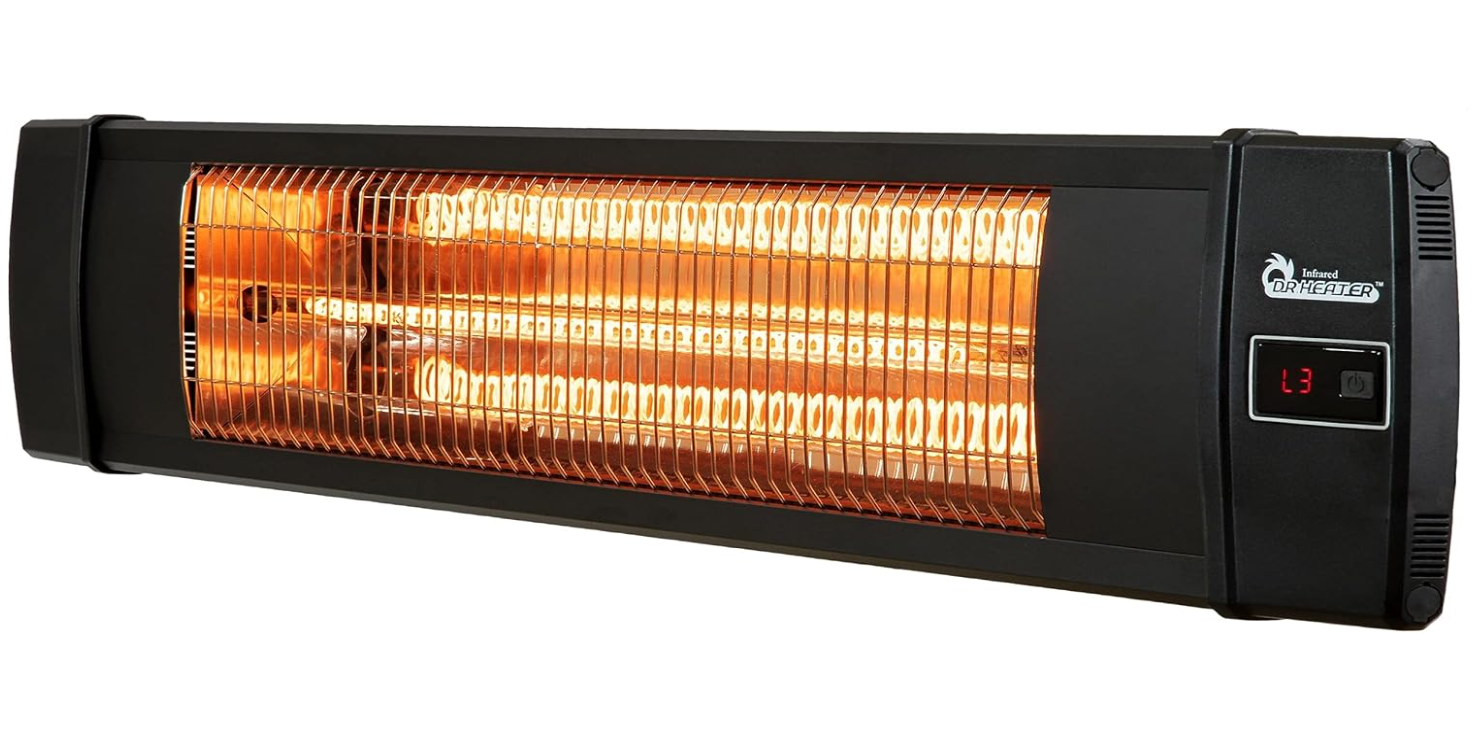 |
Carbon Infrared Electric Patio Heater |
Corded Electric 120V / 12.5A |
900W / 1200W / 1500W | Not Specified | 3 |
Infrared Radiant Heat | Remote Control |
1500W Maximum 60Hz | IP55 Weather Rating |
Weather-Resistant Aluminum Mirror Aluminum Reflector | Wall or Ceiling Mount | About 8 lb | IP55 | 35 × 8 × 4 in. |
Patios, decks, garages, restaurants, commercial spaces, outdoor seating areas & residential heating | Check On Amazon |
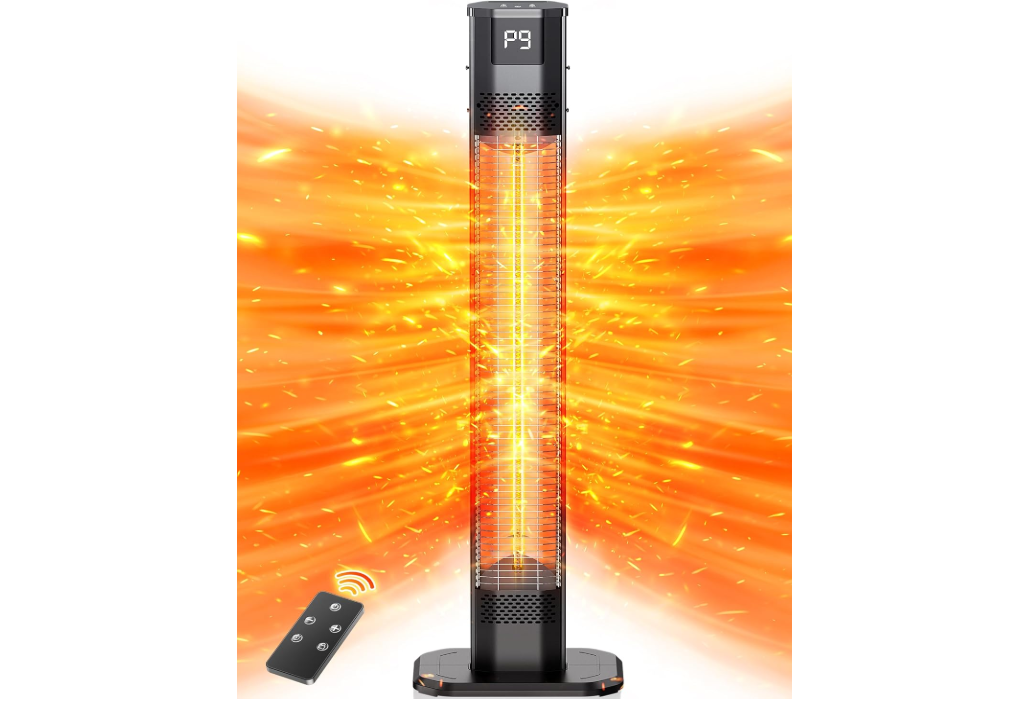 |
Electric Infrared Patio Heater | Corded Electric |
620W–1500W Maximum 1500W | Not Specified | 9 Levels |
Infrared Radiant Heating |
Digital Controls Remote Control | 1500W Maximum | ETL Listed | Weatherproof Aluminum |
Tower / Freestanding Slim Vertical Design | Freestanding | IPX5 Waterproof | 5.7 × 3.5 × 41.7 in. |
Patios, decks, garages, offices, restaurants, balconies, outdoor gatherings & indoor/outdoor heating | Check On Amazon |
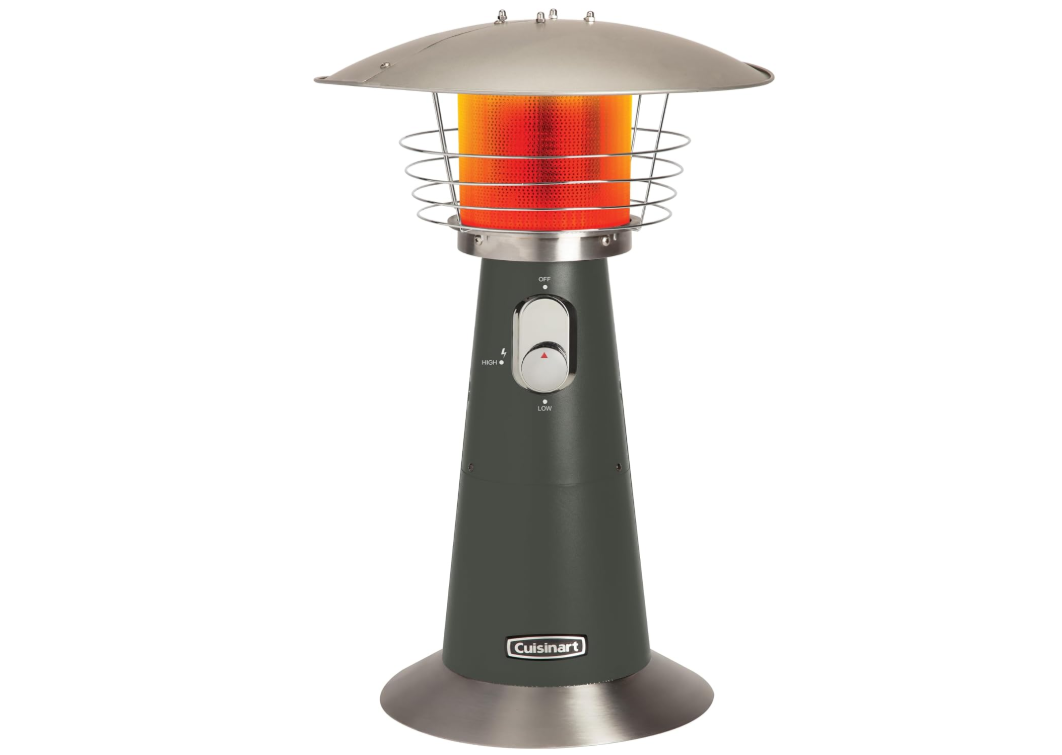 |
Portable Tabletop Propane Patio Heater | Propane | 11,000 BTU/Hour | Up to 30 sq. ft. | Low to High | Propane Heating |
Manual Ignition Adjustable Rotary Dial |
1-lb Propane Tank Optional 20-lb Tank with Regulator |
Anti-Tilt Automatic Shut-Off Burner Screen Guard | Dark Gray | Tabletop / Freestanding |
Lightweight & Compact 8.5 lb | Outdoor Use | 17 × 17 × 27 in. |
Small outdoor seating areas, patio tables, camping trips, tailgating, outdoor dining & portable warmth | Check On Amazon |
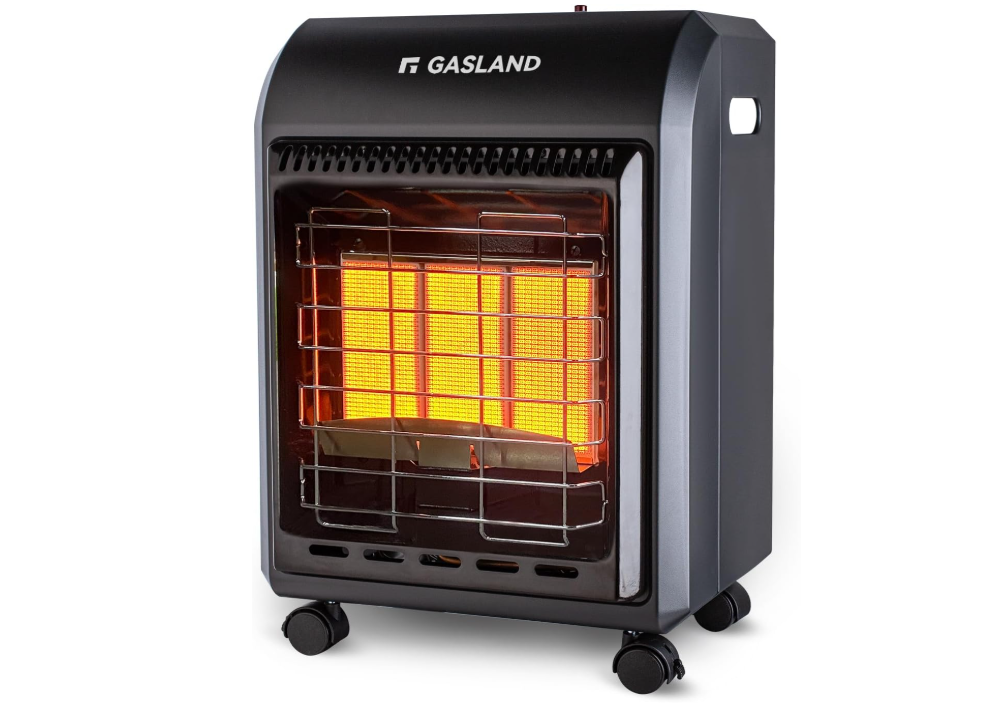 |
Portable Propane Radiant Heater | Propane |
6,000 / 12,000 / 18,000 BTU/Hour | Up to 450 sq. ft. |
3 Low, Medium & High | Radiant | Piezo Ignition |
20-lb LP Cylinder Regulator Included Hose Included |
Tip-Over Protection Low-Oxygen Shut-Off |
Metal Housing Protective Safety Guard | Portable Cabinet-Style |
360° Swivel Casters Built-In Carry Handle About 17 lb | Well-Ventilated Areas | 17.5 × 15 × 21.7 in. |
Garages, workshops, patios, construction sites, outdoor work areas & portable propane heating | Check On Amazon |
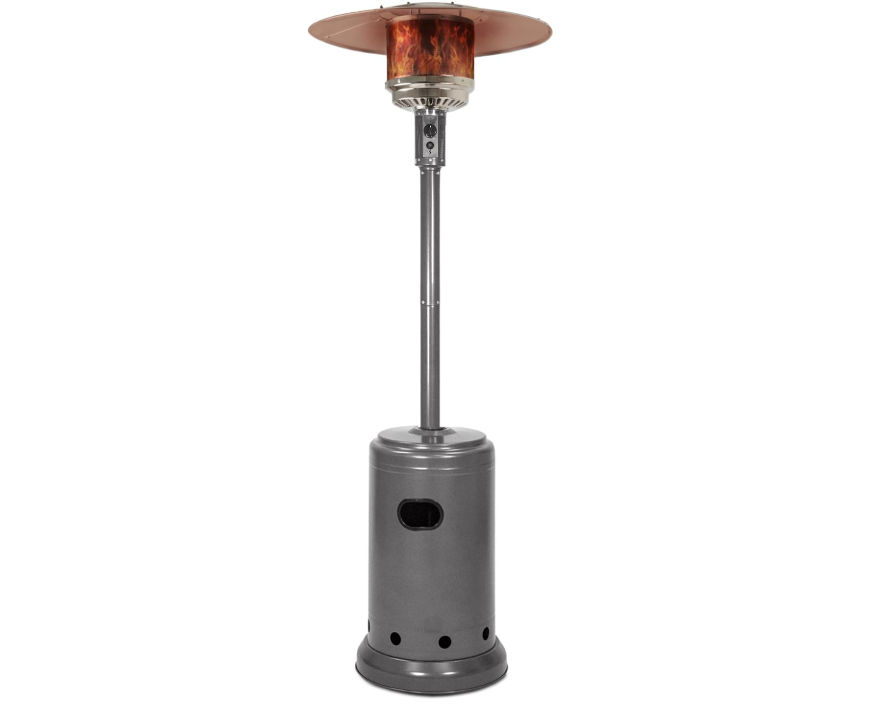
Amazon Basics 62108 Patio Heater is a practical choice for adding warmth to patios, decks, restaurants, cafés, and outdoor dining areas. Its 46,000 BTU propane heating system provides strong warmth across an approximately 9-foot radius, while the adjustable temperature knob lets you control heat output. The push-button piezo ignition makes startup simple, and the enclosed base securely accommodates a standard 20-pound propane tank. A tilt safety shut-off valve adds an important layer of protection, while built-in wheels make repositioning easier. Its tall freestanding design works well around outdoor seating areas.
We recommend the Amazon Basics patio heater for users seeking convenient propane-powered warmth for residential and commercial outdoor spaces.
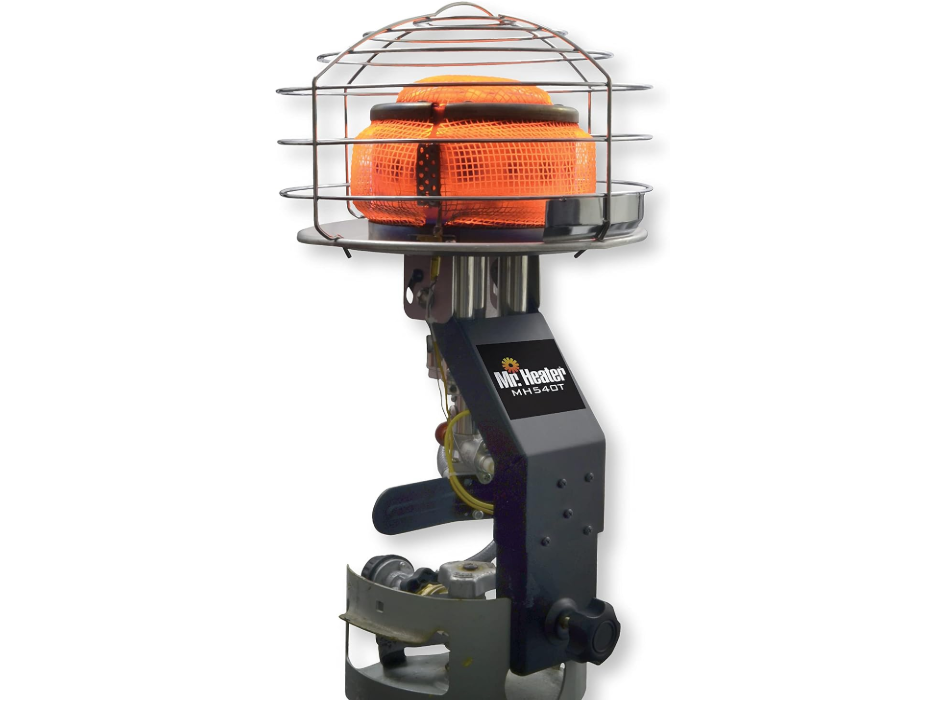
Mr. Heater MH540T Tank Top Radiant Propane Heater is a portable option for adding focused warmth to outdoor activities such as camping, tailgating, hunting, fishing, and sporting events. Its adjustable 30,000–45,000 BTU output provides three heat levels, while the 360-degree burner head helps distribute radiant heat around the surrounding area. The heater mounts directly to compatible propane cylinders, reducing the need for a separate stand. A tip-over safety shut-off and high-limit protection add important safety features. Its relatively lightweight design also makes transportation easier.
We recommend the Mr. Heater MH540T for users seeking portable radiant heating for outdoor recreation and work areas.
DR. INFRARED HEATER DR-238 Patio Heater provides convenient electric radiant warmth for patios, decks, garages, restaurants, and other indoor or outdoor spaces. Its carbon infrared heating element offers three power settings at 900W, 1200W, and 1500W, allowing you to adjust the heat according to your needs. The remote control makes operation convenient, while the wall- and ceiling-mount design helps save valuable floor space. Its IP55 weather-resistant construction and aluminum housing are designed for outdoor environments. The included mounting brackets simplify installation.
We recommend the DR-238 for users seeking versatile, space-saving electric heating with adjustable output for residential or commercial use.
VAGKRI 42-Inch Electric Infrared Heater provides convenient radiant warmth for patios, decks, garages, balconies, offices, restaurants, and other indoor or outdoor areas. Its 1500W heating system offers nine adjustable power levels from 620W to 1500W, giving you greater control over heat output. The infrared element is designed to produce warmth quickly, while the 100-degree heating angle helps distribute heat across the surrounding area. A remote control and digital display make operation convenient, and the 1- to 24-hour timer adds flexibility. Its IPX5 water-resistant aluminum construction is suited to outdoor use.
We recommend the VAGKRI heater for users seeking adjustable, fast, and versatile electric outdoor heating.
Cuisinart COH-514 Patio Heater is a compact tabletop solution for adding warmth to patios, outdoor dining areas, camping trips, and tailgating. Its 11,000 BTU propane burner provides targeted heat for spaces up to approximately 30 square feet, while the adjustable rotary dial lets you control the warmth from low to high. The lightweight 8.5-pound design makes transportation easy, and compatibility with 1-pound propane tanks keeps setup simple. An optional regulator can allow connection to a larger 20-pound tank. The anti-tilt automatic shut-off and burner screen guard provide useful safety features.
We recommend the Cuisinart COH-514 for users needing portable, tabletop warmth for smaller outdoor seating areas.
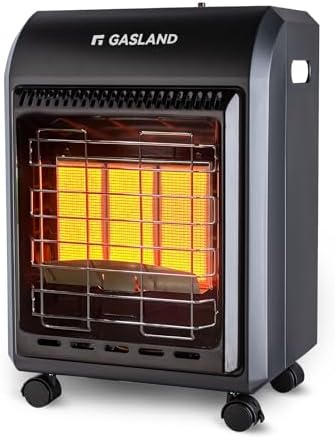
GASLAND MHA18B Portable Propane Heater provides convenient radiant warmth for garages, workshops, construction areas, patios, and other well-ventilated spaces. Its 18,000 BTU output offers three heat settings, allowing you to adjust warmth according to conditions and activity. The Piezo ignition makes startup straightforward, while the included regulator and hose simplify propane connection. Built-in tip-over and low-oxygen protection provide useful safety features, and the swivel casters make repositioning easier. Its cabinet-style design also offers a practical balance between portability and stability.
We recommend the GASLAND MHA18B for users seeking adjustable propane heating for workshops, garages, outdoor work areas, and other suitable spaces.
Outdoor Heaters Buying Guide
Choosing the right outdoor heater can make patios, decks, porches, balconies, garages, and other outdoor spaces more comfortable during cooler weather. With propane, natural gas, and electric models available in freestanding, tabletop, wall-mounted, and hanging designs, it is important to consider where you will use the heater and how much warmth you need. The right outdoor heater should provide suitable heat output, convenient operation, reliable construction, and appropriate safety features.
Fuel Type
Outdoor heaters are commonly powered by propane, natural gas, or electricity. Propane models are generally portable and do not require a permanent gas connection, while natural-gas heaters can be convenient for fixed installations with an existing gas supply. Electric heaters require access to a suitable power outlet and can be useful where fuel storage is undesirable. Choose the fuel type based on your location, installation requirements, and intended use.
Heat Output
Heat output is often measured in BTUs for gas heaters or watts for electric models. Higher output can provide more warmth, but actual heating performance also depends on wind, outdoor temperature, heater design, and the distance between the heater and users. Choose an output appropriate for the size of your seating or working area.
Heating Coverage
Check the manufacturer’s stated coverage or heating radius when comparing outdoor heaters. Compact tabletop models are typically intended for smaller areas, while larger freestanding or wall-mounted heaters can provide warmth across broader seating spaces. Coverage ratings can vary by outdoor conditions, so consider them as a guide rather than an exact guarantee.
Heater Type
Outdoor heaters are available as freestanding, tabletop, wall-mounted, ceiling-mounted, hanging, and tank-top models. Freestanding heaters can warm larger seating areas, tabletop units are useful for smaller spaces, and wall- or ceiling-mounted models can save floor space. Tank-top heaters are highly portable and often suited to temporary outdoor work or recreational use.
Heating Technology
Electric outdoor heaters commonly use infrared or radiant heating, which warms people and nearby objects directly rather than relying entirely on heating the surrounding air. Gas patio heaters can use radiant burners to distribute warmth across the nearby area. Consider the heating technology based on how quickly you want warmth and how you plan to use the space.
Adjustable Heat Settings
Multiple heat settings allow you to change the output based on weather and personal comfort. Some heaters offer two or three levels, while others provide more detailed power adjustment. Adjustable controls can be particularly useful when outdoor temperatures change throughout the day.
Ignition System
Propane and natural-gas heaters may use piezoelectric, push-button, electronic, or manual ignition systems. Push-button and electronic ignition can make startup more convenient, while manual systems may require more effort. Check whether batteries are needed for electronic ignition and whether replacements are easy to obtain.
Flame Control
For gas heaters, adjustable flame controls let you increase or decrease heat output. A precise control knob can make it easier to balance warmth and fuel consumption. Look for clearly marked controls that are easy to operate while the heater is in use.
Safety Features
Safety should be a major consideration when choosing an outdoor heater. Gas models may include tip-over protection, flame-failure systems, low-oxygen shut-off, and automatic safety valves, while electric models may include overheat protection and automatic shut-off. Always follow the manufacturer’s instructions and use the heater only in approved locations.
Tip-Over Protection
Tip-over protection can automatically shut off a heater if it is accidentally knocked over. This feature is particularly important for portable and freestanding heaters placed in busy outdoor areas where they may be bumped or moved.
Weather Resistance
Outdoor heaters are exposed to rain, humidity, wind, dust, and changing temperatures. Look for weather-resistant materials and finishes designed for outdoor use. Electric models should have an appropriate weather-resistance rating for their intended location, while gas heaters should be protected from prolonged exposure when not in use.
Construction Material
Common outdoor heater materials include stainless steel, aluminum, and coated steel. Stainless steel can provide corrosion resistance and durability, while aluminum is lightweight and easier to move. Powder-coated or weather-resistant finishes can help protect metal surfaces from outdoor conditions.
Portability
If you plan to move the heater between locations, consider its weight, handles, wheels, folding components, or compact size. Propane models and smaller electric heaters can be convenient for patios, camping, tailgating, and other temporary setups. Larger units may be better suited to permanent placement.
Propane Tank Compatibility
Portable propane heaters often use standard propane cylinders, with some models designed for 1-pound tanks and others compatible with 20-pound or larger cylinders. Check the required tank size, connection type, hose, and regulator before buying. Some patio heaters include enclosed tank storage for a cleaner appearance.
Natural Gas Connection
Natural-gas patio heaters require access to a suitable gas line and typically involve more permanent installation than propane or electric models. Verify the required connection type and installation requirements before choosing a natural-gas heater.
Power Requirements
Electric heaters require a suitable electrical supply, and high-wattage models can place significant demand on an outlet or circuit. Check the heater’s voltage, wattage, amperage, and plug type before installation or use. Avoid using unsuitable extension cords or power sources that do not meet the manufacturer’s requirements.
Mounting and Installation
Wall-, ceiling-, and hanging heaters require secure installation using appropriate mounting hardware. Check the manufacturer’s required mounting height, clearance, and surface type. Freestanding and tabletop models generally require less installation, but they should still be positioned on stable surfaces with proper clearance.
Size and Placement
Consider the heater’s dimensions and where it will be positioned relative to seating, tables, walls, ceilings, and combustible materials. A heater should have sufficient clearance around the heating element or flame. Follow the manufacturer’s recommended placement distances carefully.
Wind Performance
Wind can affect the performance of outdoor heaters, particularly open-flame gas models. Consider a heater with a suitable reflector, burner design, or protective features when using it in breezy outdoor areas. Even with these features, avoid operating heaters in conditions that exceed the manufacturer’s recommendations.
Reflector Design
Gas patio heaters often use a reflector to direct radiant heat toward the surrounding area. A larger or well-designed reflector can improve how warmth is distributed around the heater. Consider reflector size and shape along with overall heater output.
Controls and Remote Operation
Some electric outdoor heaters include remote controls, digital displays, or multiple power settings, while gas models may use control knobs. Convenient controls can make adjusting the heater easier, especially when the unit is mounted overhead or positioned farther from seating.
Timer and Automatic Shut-Off
Electric heaters may include timers that allow them to operate for a selected period before switching off. Automatic shut-off can provide additional convenience and help prevent unnecessary operation. Check the available timer range if scheduled heating is important to you.
Indoor and Outdoor Compatibility
Not every outdoor heater is suitable for indoor or enclosed spaces. Gas-burning heaters require appropriate ventilation and may be restricted to outdoor use only. Electric heaters can have different requirements depending on their design and weather rating. Always verify the approved operating environment.
Commercial or Residential Use
Some heaters are designed for residential patios, while others are intended for commercial environments such as restaurants, cafés, and outdoor dining areas. Commercial models may prioritize durability and longer operating periods, while residential units may focus more on portability, appearance, and convenience.
Accessories
Useful accessories can include protective covers, propane hoses, regulators, wheels, mounting brackets, remote controls, reflectors, and carry handles. Check what is included with the heater and whether additional components are required for installation or operation.
Storage and Maintenance
Proper storage can help protect an outdoor heater when it is not being used. Follow the manufacturer’s instructions for cleaning burners, removing debris, checking hoses, and protecting the heater from weather. A suitable cover can also help reduce dirt and moisture exposure.
Energy and Fuel Consumption
Consider how much electricity or fuel the heater consumes during normal operation. Higher-output gas heaters may use propane more quickly, while high-wattage electric heaters can increase electricity consumption. Choose a heater that balances the heat you need with reasonable operating costs.
Price and Overall Value
Consider the purchase price alongside heat output, coverage, fuel type, construction quality, safety features, portability, controls, and included accessories. A basic heater may be sufficient for occasional use, while a more durable or feature-rich model may provide better value for frequent outdoor heating.
Bottom Line
The right outdoor heater should match your space, fuel availability, desired heat output, and preferred installation style. Pay close attention to heat output, coverage area, fuel type, heater design, safety features, weather resistance, and power or propane requirements. Features such as adjustable heat settings, remote controls, wheels, protective covers, and automatic shut-off can add convenience. By comparing these factors carefully, you can choose an outdoor heater that provides practical, reliable warmth for patios, decks, garages, outdoor dining areas, and other suitable spaces.
Frequently Asked Questions
An outdoor heater is a heating appliance designed to provide warmth in patios, decks, porches, balconies, garages, outdoor dining areas, and other suitable spaces. Outdoor heaters can use propane, natural gas, or electricity.
The right type depends on your space and heating needs. Propane heaters are generally portable, electric infrared heaters can provide targeted radiant warmth, and natural-gas heaters can suit permanent installations with an existing gas connection.
Outdoor heaters can be used safely when installed and operated according to the manufacturer’s instructions. Look for features such as tip-over protection, automatic shut-off, overheat protection, and secure fuel connections where applicable.
Many propane patio heaters are specifically designed for outdoor patio use. Make sure the model is approved for your intended location and maintain the required clearance from walls, ceilings, furniture, and combustible materials.
Do not use a gas-powered outdoor heater indoors unless the manufacturer explicitly states that it is approved for indoor use. Combustion appliances can require ventilation and may produce gases that make indoor operation unsafe.
Conclusion
Outdoor heaters can make patios, decks, porches, balconies, garages, and outdoor dining areas more comfortable during cooler weather. The right heater depends on your available space, preferred fuel source, desired heat output, and how you plan to use it. Propane models can offer portability and strong heat output, while electric infrared heaters can provide targeted warmth without requiring fuel storage.
When choosing an outdoor heater, consider heat output, coverage area, fuel type, heating technology, safety features, weather resistance, portability, and installation requirements. Features such as adjustable heat settings, remote controls, wheels, protective covers, and automatic shut-off can provide additional convenience. By comparing these factors carefully and following the manufacturer’s operating instructions, you can choose an outdoor heater that provides reliable warmth and comfortable outdoor use throughout cooler seasons.